Yoga Mat Buying Guide: Material, Thickness & Grip

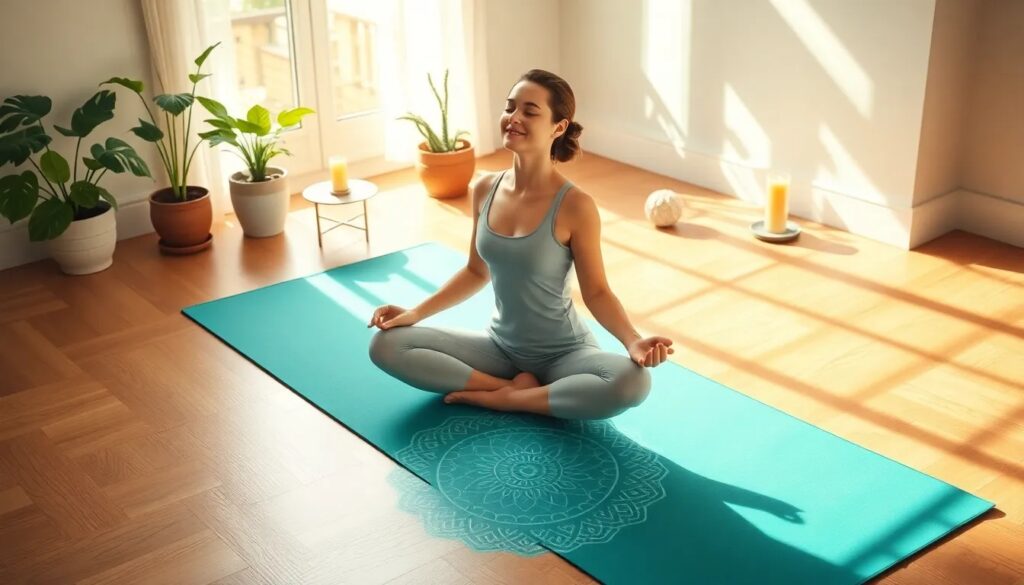
Choosing a yoga mat comes down to four decisions: material (which controls grip, weight, and eco-friendliness), thickness (comfort vs. stability), texture and grip type (dry grip vs. grips-better-when-wet), and size. Get those four right for the style of yoga you actually practice and almost any budget can buy a mat you will keep using; spending more mostly buys durability and better materials, not magic. This guide walks through each decision in order, then covers what each quality tier actually gets you and how to make the mat last.
Mat Materials Compared
Material is the biggest single choice — it determines how the mat grips, how long it lasts, what it weighs, and what happens to it after you are done with it.
| Material | Grip | Durability | Eco profile | Good to know |
|---|---|---|---|---|
| PVC | Very good when dry; slippery when sweaty | Excellent — often years of daily use | Poor: not biodegradable, hard to recycle | The classic sticky mat; cheapest per year of use |
| TPE | Good; light texture | Moderate — wears faster than PVC or rubber | Better: recyclable, lighter manufacturing footprint | Lightweight and affordable; the common mid-range choice |
| Natural rubber | Excellent, including with moderate sweat | Very good, though heavier | Good: renewable and biodegradable | Avoid with latex allergy; distinct natural smell at first |
| Cork (rubber base) | Improves when wet — grips more as you sweat | Good; surface needs occasional care | Good: renewable surface | The counterintuitive pick that suits hot yoga well |
| Cotton/jute | Modest; relies on texture | Washable, long-lived | Best | Traditional feel; thin, best over carpet or another mat |
So which type of yoga mat is best? There is no single winner, and that is the useful answer rather than a dodge: the right material is the one that matches your sweat level and your priorities. Dry-handed practitioners in unheated rooms are well served by PVC or TPE; heavy sweaters and heated-class regulars are better off on cork or natural rubber; anyone who cares about biodegradability should look at rubber, cork, or cotton and accept the extra weight that comes with the first two.
Thickness: Comfort vs. Stability
Thicker is not automatically better — cushioning and balance trade off directly, which is why the best thickness for a yoga mat depends entirely on the style you practice:
- 1/16 inch (≈1.5 mm) travel mats: fold into a suitcase, weigh little, offer almost no padding. For travelers and people who like feeling the floor.
- 1/8 inch (≈3 mm) standard: the default for a reason — stable in standing and balance poses with acceptable knee comfort. Best all-around choice for flowing styles like vinyasa.
- 1/4 inch (≈6 mm) cushioned: noticeably kinder to knees, hips, and spine in floor work — and noticeably wobblier in Tree pose. Suits gentle, yin, and restorative practice, and anyone with sensitive joints.
- 1/2 inch (≈12 mm)+ exercise mats: too unstable for most standing yoga; better reserved for stretching and floor exercise.
If your knees complain in 1/8-inch territory but you do not want to lose stability, keep the thinner mat and pad the knees locally — a folded towel or blanket under the kneecap solves most of it for free. That one trick saves more people from buying the wrong mat than any other piece of advice on this page.
Quick Picks by Use Case
Once material and thickness are settled, the shortlist gets short fast. If you are new to the mat, do not start at the top of the range: a mid-thickness TPE or PVC mat with dependable dry grip will tell you within a couple of months whether your practice is going to be constant, and that answer is what should drive an upgrade. Heated-class regulars can skip straight to cork or rubber, and travelers should give up cushioning for pack size rather than the other way around.
As an Amazon Associate, we earn from qualifying purchases.


Grip, Size, and the Hot Yoga Question
Grip: there are two grip philosophies. Sticky surfaces (PVC, polyurethane-topped rubber) grip superbly with dry hands but can turn slick with sweat; absorbent or open surfaces (cork, rubber, mats designed for use with a towel) handle moisture better. Match the mat to your sweat level honestly — if you practice heated classes or sweat heavily, choose cork or rubber, or plan on a grippy yoga towel over the mat. This is the variable people get wrong most often, because a mat that feels perfect in a shop can become unusable twenty minutes into a hot class.

- Premium Performance Mat for Every Practice: Built for yoga, Pilates, stretching, and fitness routines, this Gaiam Dry Grip Yoga Mat delivers lightweight stability and comfort for daily use. Suitable for yoga, meditation, floor workouts, mobility exercises, and sessions at home or the gym
- Moisture-Wicking Grip for Sweaty Sessions: Designed with a unique moisture-wicking topcoat, this non-slip Pilates mat helps wick away sweat to maintain traction and grip through every pose. Great for hot yoga, Vinyasa, Bikram, and high-intensity workouts where stability and control matter most
- Cushioned Support for Joints and Stability: The rubber exercise mat provides cushioning and support for hands, feet, knees, wrists, elbows, and spine during floor exercises and post-workout stretching. Helps improve comfort, alignment, confidence, and balance through every movement
- Lightweight and Easy to Carry: Designed for portability, this lightweight workout mat is easy to roll up and carry to yoga studios, gyms, fitness classes, home workouts, or travel workouts. The Dry-Grip surface helps reduce the need for a separate towel during hot yoga and high-sweat sessions
- Built for All Yoga Styles & Fitness Goals: Suitable for Hatha, Vinyasa, meditation, rehabilitation exercises, bodyweight training, and year-round use. Pairs well with yoga blocks, straps, towels, foam rollers, and other accessories to support flexibility, body control, and alignment

Size: standard mats measure about 68 × 24 inches. If you are taller than roughly 5'10" (178 cm), look for 72–84-inch lengths so your head and feet stay on the mat in lying poses; wide-format (26–30 inch) mats exist for broader frames and are worth it.
Weight matters too: a premium 6 mm rubber mat can weigh 7+ pounds — fine living at home, annoying on a bike commute. A yoga strap doubles as a carrying sling if your mat did not come with one.
What Different Budgets Actually Buy
Mats sort into three quality tiers, and what separates them is material and density rather than anything mysterious. How much you should pay for a good yoga mat is really the question of which tier your practice needs — the going rate for each moves constantly, so the comparison table at the end of this section pulls current listings instead of a figure typed into an article once and left to rot.
- Entry tier — basic PVC and TPE: functional mats that do the job. Fine for beginners deciding whether yoga sticks; expect flaking or compressed spots within a year or two of regular use.
- Mid tier — solid TPE and entry natural rubber: the sweet spot for most practitioners. Reliable grip, a multi-year lifespan, and enough density that the mat does not bottom out under your knees.
- Premium tier — dense natural rubber and polyurethane-topped mats: the tier where brands like Manduka, JadeYoga, and Lululemon live. You are paying for superior materials, density, longevity — some carry near-lifetime warranties — and better factory and environmental standards. Worth it for daily practitioners; unnecessary for twice-a-month stretching.
One honest note: best-mat lists are heavily affiliate-driven across the web, and this page carries affiliate links too. The four factors above predict your satisfaction far better than any brand name — an inexpensive mat matched to your practice beats an expensive one that is wrong for it, every time.


Making Your Mat Last
- Wipe it down after sweaty sessions with water and a drop of mild soap, or a 1:4 vinegar-water spray. Avoid harsh cleaners on rubber and cork.
- Air-dry completely before rolling — rolling a damp mat is how mildew and smells start.
- Keep it out of direct sun and hot cars. UV and heat degrade rubber and TPE quickly.
- Roll with the practice surface outward to keep the corners from curling up on the floor.
- Replace it when it tells you to: flaking surface, permanent compressed spots under hands and feet, or grip that no cleaning restores. For regular practitioners that is typically every 1–3 years for budget mats and 5+ for premium rubber.
Once the mat is sorted, the rest of a home kit is inexpensive: a strap and a pair of yoga blocks cover virtually every modification a beginner class will ever call for. Everything else we have written on props, clothing, and accessories lives in the yoga equipment resources hub.
For most people, 1/8 inch (about 3 mm): stable for standing poses with acceptable cushioning. Choose 1/4 inch (6 mm) if you have sensitive knees or practice mostly gentle floor-based styles, and 1/16 inch only for travel. Thicker than 1/4 inch gets wobbly in balance poses.
Match the tier to how often you practice. Occasional practice is well served by an entry PVC or TPE mat; regular weekly practice justifies the mid tier of solid TPE or entry natural rubber; daily practice is where dense premium rubber pays for itself in years of use. Current prices move constantly, so check the live comparison table above rather than a number written into an article.
Cork and natural rubber handle moisture best — cork actually grips harder as it gets damp. Classic sticky PVC mats turn slippery with sweat, so heated-class regulars either choose cork or rubber or add a grippy yoga towel on top of the mat.
A mid-thickness TPE or PVC mat with dependable dry grip. It is stable enough for standing poses, forgiving enough for kneeling work, and cheap enough that you are not committed before you know whether the practice sticks. Save the premium natural rubber upgrade for the point where you are on the mat several times a week.
When the surface flakes, permanent dents appear under your hands and feet, or the grip no longer recovers after cleaning. With regular practice that is typically 1–3 years for budget PVC or TPE mats and 5 or more for dense premium rubber mats.
Wipe it after sweaty sessions with water plus a drop of mild soap, or a 1:4 vinegar-water spray, then air-dry fully before rolling. Avoid harsh cleaners on rubber and cork, and never store the mat damp or in a hot car — heat and UV degrade most materials.
Have a correction? Contact us.
Last update 2026-09-10. Price and product availability may change.
In this section
- 6mm Yoga Mat: Who It Suits, Trade-Offs, and How to Choose
- Are Yoga Mats FSA Eligible? What Qualifies, What Doesn't, and the LMN Workaround
- Athleta Yoga Mat: Honest Buyer's Guide Before You Buy
- Bala Yoga Mat: What the Brand Actually Makes and How to Decide If It Fits Your Practice
- Best Non-Slip Yoga Mat: How to Choose One That Actually Grips
- Best Yoga Mat for Hot Yoga: How to Pick One That Grips When Wet
- Best Yoga Mats: How to Choose the Right One for Your Practice
- Black Yoga Mat: How to Choose the Right One
- Bulk Yoga Mats: How to Buy Wholesale for Studios, Schools, and Gyms
- Can You Bring a Yoga Mat on a Plane? TSA and Airline Rules Explained
- Can You Wash a Yoga Mat in the Washing Machine? A Practical Guide
- Cheap Yoga Mats: How to Pick One That Actually Works
- Cork Yoga Mats: A Full Review and How They Compare
- Custom Yoga Mats: What to Print, What to Customize, and Which Base to Choose
- Cute Yoga Mats: How to Find One That Looks Good and Actually Grips
- DIY Yoga Mat Cleaner: Simple Homemade Spray Recipes
- Do You Need a Yoga Mat for Barre? What to Bring to Class (and Home Workouts)
- Do You Need a Yoga Mat for Pilates? What Actually Matters
- Eco-Friendly Yoga Mats: Materials Compared and How to Spot Greenwashing
- Extra Large Yoga Mat: Sizes, Who Needs One, How to Choose
- Extra Long Yoga Mat: Sizes, Who Needs One, and How to Choose
- Extra Thick Yoga Mat: Who Actually Needs One (and the Trade-Offs)
- Foldable Yoga Mat: Who It's For, How It Folds, and How to Pick One
- Gym Bag With Yoga Mat Holder: A Buyers Guide
- Hello Kitty Yoga Mat: How to Pick One That's Actually Good
- Hot Yoga Mat: How to Pick One That Grips When You Sweat
- How Big Is a Yoga Mat? Standard Sizes, Length & Thickness
- How Long Do Yoga Mats Last? Lifespan by Material, Use, and Care
- How Long Is a Yoga Mat? Standard Sizes + Height Chart
- How Often to Replace a Yoga Mat (and the Signs That Matter)
- How to Carry a Yoga Mat Without a Strap: 8 Practical Methods
- How to Carry a Yoga Mat: 6 Methods for Straps, Bags, and DIY
- How to Clean a Cork Yoga Mat Without Ruining It
- How to Clean a Jade Yoga Mat
- How to Clean a Lifeform (Liforme) Yoga Mat
- How to Clean a Liforme Yoga Mat (and Keep the Grip)
- How to Clean a Lululemon Yoga Mat Without Ruining It
- How to Clean a Rubber Yoga Mat (Without Ruining It)
- How to Clean a Yoga Mat in the Washing Machine (Safely, by Material)
- How to Clean a Yoga Mat: Step-by-Step Guide for Every Mat Type
- How to Make a Yoga Mat Less Slippery
- How to Make Yoga Mat Cleaner: 3 Simple DIY Recipes
- How to Store Yoga Mats: Roll vs. Fold, Rack and Small-Space Ideas
- How to Wash a Yoga Mat the Right Way (By Material)
- Hugger Mugger Yoga Mat: Brand, Mat Lines, and How to Choose
- Jade Harmony Yoga Mat: A Full Review and How It Compares
- Jade Yoga Mat: A Full Review and How It Compares
- Kids Yoga Mat: Size, Materials, and What to Look For
- Large Yoga Mat: Sizes, Who Needs One, and How to Choose
- Lifeform Yoga Mat? You Mean Liforme: Honest Review of the Alignment Mat
- Liforme Yoga Mat: Specs, Grip, and Who It's Really For
- Natural Rubber Yoga Mat: What It Is, How It Compares, and Who It Is For
- Nike Yoga Mats: A Full Review and How They Compare
- Non-Slip Yoga Mat: How Grip Works and How to Choose One
- Non-Toxic Yoga Mat: Materials, Certifications, and What to Avoid
- Oko Living Yoga Mat: An Honest Look at the Herbal-Dyed Cotton Mat
- Outdoor Yoga Mat: How to Choose One for Grass, Sand, and Stone
- Peloton Yoga Mat: What You Get, Who It Suits, and How It Compares
- Pendleton Yoga Mat: What It Actually Is (and Who It Suits)
- Pink Yoga Mat: How to Choose One That Actually Performs
- Round Yoga Mat: What It Is, Who It's For, and How to Choose One
- Rubber Yoga Mats: Grip, Durability, and How to Choose
- Sweaty Betty Yoga Mat: Is It Worth It? An Honest Buyer's Guide
- Thick Yoga Mats: How to Pick the Right Thickness for Your Practice
- TJ Maxx Yoga Mats: Are the Bargain-Rack Mats Actually Worth Buying?
- TPE Yoga Mat: What the Material Is and How It Compares
- Travel Yoga Mat Guide: How to Choose One That Actually Packs
- Walmart Yoga Mat: How to Pick a Good Budget Mat (and What to Skip)
- What Are Yoga Mats Made Of? Every Common Material Compared
- What Can I Use Instead of a Yoga Mat? 9 Substitutes That Actually Work
- What Is the Best Thickness for a Yoga Mat? (3mm vs 5mm vs 6mm Compared)
- What Size Yoga Mat Do I Need? A Practical Guide by Height, Width, and Thickness
- What to Look for in a Yoga Mat: 7 Factors That Actually Matter
- Which Side of a Yoga Mat to Use
- Wide Yoga Mat Guide: 26, 28, 30, and 36 Inch Sizes Compared
- Wirecutter Yoga Mat: How to Judge Any Top Pick
- Yoga Mat at Target: How to Choose the Right One
- Yoga Mat Bags: How to Choose the Right One for Your Practice
- Yoga Mat Carrier: Straps, Slings, and Bags Compared
- Yoga Mat Carrying Strap: Types, How to Choose One, and How to Use It
- Yoga Mat Cleaner: DIY Recipes, How to Clean by Material, and What Actually Works
- Yoga Mat Dimensions: Standard Sizes, Thickness, and How to Choose Yours
- Yoga Mat Holder: Wall Racks, Straps, Bags, and Storage Compared
- Yoga Mat on Amazon: How to Filter Listings and Choose Well
- Yoga Mat Storage: 12 Practical Ideas for Any Space
- Yoga Mat Strap
- Yoga Mat Thickness: How to Choose the Right mm for Your Practice
- Yoga Mat Towel: How to Choose the Right One
- Yoga Mat: Which Side Up? How to Tell in Ten Seconds
Recommended: