Yoga Mat Storage: 12 Practical Ideas for Any Space


Good yoga mat storage does three things: lets the mat air out after practice, keeps it rolled loosely (or flat), and keeps it out of direct sunlight. Get those right and almost any format works — a wall hook, a repurposed basket, or a built cabinet. Get them wrong and storage quietly destroys the mat: tight rolls crease it, damp storage breeds odor and bacteria, and direct sun dries most materials until they crack. Here are twelve practical options organized by space and budget, plus the mistakes to avoid.
First, the three rules that protect your mat
- Dry before you store. Even light practice leaves moisture. Hang or lay the mat out for 15–30 minutes before rolling it up — especially after hot classes.
- Roll loosely, practice-side out. A tight roll sets curl into the corners; most brands recommend rolling with the top surface facing out so the mat lies flat next time.
- Keep it away from sun and radiators. UV and heat degrade PVC, TPE, and natural rubber alike. A closet beats a sunny corner. If your mat lives outdoors part-time, see our guide to outdoor yoga mats, which are built for tougher conditions.
Storage options compared
| Solution | Price band | Floor space | Airflow | Best for |
|---|---|---|---|---|
| Wall hooks / hanging strap | Budget | None | Excellent | Small apartments, one or two mats |
| Basket or umbrella stand | Budget | Small | Good | Living rooms — looks decorative |
| Wall-mounted rack | Mid | None | Excellent | Households with several mats |
| Rolling utility cart | Mid | Small | Good | Mats plus blocks, straps, blankets |
| Storage tube / mat bag | Budget–Mid | Minimal | Poor unless ventilated | Transport and travel, not daily storage |
| Cabinet or shelving unit | Premium | Large | Moderate | Dedicated yoga rooms, home studios |
Twelve ideas, from zero-budget to built-in
- 1. Two wall hooks and the mat's own strap — the cheapest real solution. Hang the rolled mat horizontally or let it hang unrolled to air out.
- 2. A sturdy basket — stand mats upright like baguettes. Choose one with a wide, stable base. A yoga mat storage basket in a living room doubles as decor and gives good airflow.
- 3. An umbrella stand — same idea, narrower footprint, often cheaper secondhand.
- 4. A wine rack — each slot holds one rolled mat; works on the counter or wall-mounted.
- 5. A decorative ladder — lean it against the wall and drape mats over the rungs; doubles as towel and blanket storage and gives mats maximum airflow.
- 6. Closet rod + S-hooks — hang mats by their straps inside a closet, invisible to guests. A yoga mat storage wall setup is the most renter-friendly when you don't want to drill.
- 7. Under-bed flat storage — the only common spot where a mat can live completely flat; ideal for mats that fight their curl.
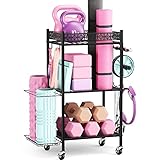
- 8. A rolling cart (IKEA RÅSKOG style) — mat upright in one corner, blocks and straps in the tiers; rolls to wherever you practice. This is the go-to yoga mat storage IKEA idea for shared spaces.
- 9. Cube shelving (KALLAX style) laid horizontally — one cube per rolled mat, baskets for props. A yoga mat storage cabinet built from KALLAX reads as furniture, not gear.
- 10. Over-the-door organizer — lighter travel mats slide into large pockets; zero installation, renter-friendly.
- 11. DIY wall rack — two wooden dowels or a pair of leather straps anchored into studs, 30 minutes of work. Space the supports about two-thirds of the mat's rolled length apart so it cannot slip through.
- 12. A bench or trunk with ventilation holes — drill a few holes in a storage bench and it becomes hidden mat storage that still breathes. A yoga mat storage box of this kind keeps the mat out of sight in entryways.
As an Amazon Associate, we earn from qualifying purchases.


Match storage to your mat material
Not all mats tolerate the same storage. A few general rules:
- Natural rubber and cork. Hates heat, sealed containers, and direct sun. Hang in a closet or shaded spot with airflow. A sealed yoga mat storage tube traps the rubber smell; reserve the tube for transport only.
- PVC and standard foam. Tolerates a basket or rack, but the plasticizer can leach out in hot cars. Cold is fine; heat is not.
- TPE and eco-foam. The most forgiving material. Any of the twelve ideas above works, as long as the mat is dry before being sealed up.
- Thick mats (see our guide to thick yoga mats) hold their shape well rolled, but the larger diameter means basket-style storage needs a wider opening.
Storing multiple mats and props
Once a household passes two mats, vertical solutions beat floor baskets: a wall rack with one slot per mat keeps everyone's mat separate (and avoids the mystery-sweat problem of stacked mats). Add a shelf or bin above for blocks and straps. If you carry your mat to a studio regularly, storage and transport overlap — a hanging strap doubles as a carry strap, and our guide to carrying a mat without a strap covers improvised options. A mobile yoga mat storage cart is the cleanest way to keep props and mat together in a shared home.
Common storage mistakes
Four habits quietly destroy mats. None is dramatic in isolation, but each compounds over months.
- Sealing a damp mat. The single fastest route to a smelly, bacteria-friendly mat. Always air-dry first, and don't roll into a sealed yoga mat bag until the surface is dry to the touch.
- Leaving the mat in a hot car. Summer car interiors easily exceed 130°F, which degrades PVC, TPE, and rubber, and winter cold makes mats stiff. If you must, keep it in the trunk out of direct sun and bring it inside when you can. For a deeper routine, see our guide on how to clean a yoga mat — odor almost always starts with residue left in storage.
- Tight rolls and folds. Folds create permanent creases in most materials. Roll loosely, with the practice side out.
- Storing in direct sun. A sunny window looks inviting; UV dries the surface, fades the print, and cracks the top layer of most foams.

- [PRECISION FIT & SIZE CONFIRMATION]** Avoid the frustration of a tight fit; measuring 26" x 6.5", our full-zip yoga mat bag is custom-contoured for standard mats up to 1/4" (6mm) or 1/3" (8mm) thick, providing a protective shield (Note: Not compatible with 1/2" thick mats)
- [EFFORTLESS COMMUTE & ADJUSTABLE COMFORT]** Designed for the modern yogi's journey; features a heavy-duty adjustable shoulder strap (up to 46 inches) for hands-free convenience whether you’re traveling by bike, bus, or subway—transforming your commute into an effortless ritual
- [EXPANDABLE STORAGE FOR IPHONE 16 & ESSENTIALS]** Stop juggling essentials; the large expandable front pocket (7"x6") and secure side zip pocket with an earphone slip fit your towel, keys, and latest smartphones including iPhone 16, 16 Pro Max, and 15/14 series
- [DURABLE CANVAS & EASY-WIPE CARE]** Built for long-lasting use; crafted from 100% premium cotton canvas with reinforced stitching; simply wipe clean with a damp cloth to maintain its vibrant color (Avoid machine washing or high heat to ensure fabric longevity)
- [ARTISTIC GIFT WITH 10+ VIBRANT PRINTS]** Available in over 10+ aesthetic prints like Celestial and Navy Leaves; an elegant gym bag that makes a thoughtful gift for fitness coaches, beginners, or a matching set for mothers and daughters

When storage will not save the mat
If your mat smells despite airing out, sheds flakes, or has permanently creased corners, the problem is the mat, not the shelf. PVC and lower-density foams tend to show wear after a year or two of regular practice; higher-end natural rubber and cork mats can last considerably longer when stored well. Our article on how often to replace a yoga mat lists the concrete signs. And if you are upgrading anyway, premium mats like the Liforme tend to hold their shape and surface longer, which makes any storage method work better.
Frequently asked questions
Flat is gentlest but rarely practical; a loose roll with the practice side facing out is the realistic standard. Avoid tight rolls and folding - folds create permanent creases in most mat materials.
Only once the mat is fully dry. Sealing a damp mat in a tube or bag traps moisture and breeds odor and bacteria. For daily home storage, an open rack, hook, or basket with airflow is better; save the tube for transport.
It is convenient but hard on the mat: summer car interiors easily exceed 130°F, which degrades PVC, TPE, and rubber, and winter cold makes mats stiff. If you must, keep it in the trunk out of direct sun and bring it inside when you can.
Dry it before storing, wipe it down weekly with a mild soap-and-water solution or mat spray, and choose storage with airflow rather than a sealed container. If odor persists after cleaning, the mat material itself has absorbed it and replacement is the fix.
Have a correction or a question about this article? Reach us via our contact page.
Last update 2026-09-10. Price and product availability may change.
Recommended: