Liforme Yoga Mat: Specs, Grip, and Who It's Really For

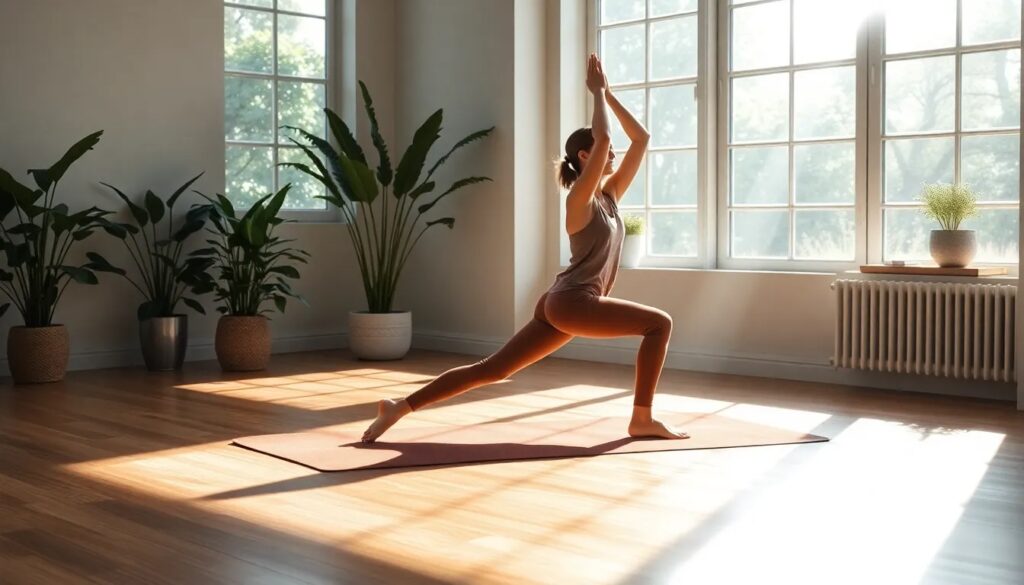
The Liforme yoga mat sits in a small group of premium yoga mats where the brand is part of the product. Liforme built its reputation on a printed alignment system on the surface and on materials that are unusual in the category: a natural rubber base bonded to a proprietary eco-polyurethane top layer. The combination explains most of what people notice in reviews, both positive and negative, and it is what makes a head-to-head comparison with conventional PVC mats or other premium rubber mats useful rather than a marketing exercise.
- The Liforme Yoga Mat Lineup
- Grip and Surface: How the Mat Performs
- Alignment Markers: What They Do and Don't Do
- Materials and Sustainability
- Who the Liforme Yoga Mat Is For
- Lifespan, Cleaning, and Daily Care
- Liforme vs Manduka PRO and Jade Harmony
- Where to Buy a Liforme Yoga Mat
- Frequently asked questions
The Liforme Yoga Mat Lineup
Liforme, founded in the UK in 2008, keeps its catalog intentionally narrow. According to the brand's own product pages, three main formats cover most needs, with a few specialty sizes layered on top.
- Liforme Classic Yoga Mat (Original): the flagship. Dimensions are approximately 185 cm long by 68 cm wide (about 72.8 x 26.8 in), which is wider and slightly longer than the standard 173 x 61 cm studio mat. Thickness is about 4.2 mm and the weight is roughly 2.5 kg (5.5 lb).
- Liforme Travel Yoga Mat: approximately 180 cm x 66 cm, around 2 mm thick, and about 1.6 kg (3.5 lb). Same surface technology as the Classic, much less cushioning.
- Liforme XL Yoga Mat: 210 cm x 70 cm, about 4.2 mm thick, around 3.5 kg. Designed for taller practitioners and for anyone who wants a wider practice space without stepping off the mat.
Beyond these, the brand lists a Yoga Pad (a 33 cm x 64 cm portable surface at 4.2 mm) and a Kids Mat (146 cm x 61 cm) on its sizing page, and periodically releases limited-color editions of the main mats. The three core formats (Classic, Travel, XL) share the same construction: a natural rubber base, the eco-polyurethane top, and a barrier layer in between.
Grip and Surface: How the Mat Performs
The Liforme Classic's top surface is a specially engineered eco-polyurethane with an open-cell structure. In practice this means the surface behaves differently from a closed-cell PVC mat or a standard rubber mat. Dry, the grip is good but not exceptional; once the surface warms and a small amount of moisture is present, it becomes noticeably tackier. The brand calls this the "GripForMe" system and the effect is real, though whether you experience it as a meaningful advantage depends on your practice.
For styles that generate heat and sweat (Vinyasa, Ashtanga, hot yoga), the moisture-activated grip is the headline reason practitioners choose Liforme. For slower or more restorative styles, where the mat is not being pushed to its slip limit, the difference from a quality rubber mat is smaller. The natural-rubber base grips most studio floors well; on very smooth surfaces (polished concrete, some hardwood finishes) a thin rug or mat underlay is sometimes used, but this is not a Liforme-specific issue.
One observation from Liforme's own materials pages is worth keeping in mind: a new mat, especially one shipped in sealed packaging, can carry a noticeable natural-rubber smell for the first days or weeks. The brand recommends unrolling and airing it out before a first practice. This is a property of natural rubber, not a defect.
Alignment Markers: What They Do and Don't Do
The most photographed Liforme feature is the alignment guide on the surface, branded "AlignForMe." It consists of a central line, lines marking hand and foot positions for common postures (Downward Dog, Warrior I and II, Plank, among others), and a series of arcs that show the relationship between different body parts. The markers are etched into the polyurethane top layer rather than printed on, which the brand notes as a durability feature.
What the markers can help with: symmetry. It is genuinely easy, especially in the first year or two of practice, to set up Warrior II with the front foot turned in by a few degrees, or to have hands unevenly placed in Downward Dog. The lines give a quick visual reference. Over time, many practitioners internalize those spatial relationships and stop looking at the markers consciously; the mat has done its calibration job.
What the markers do not do: correct poor technique on their own. Alignment in standing and balancing postures is three-dimensional; a two-dimensional reference on a flat surface has limits. The markers are a useful feedback tool alongside good instruction, not a substitute for it. If you learn primarily from a teacher (in person or through a structured Vinyasa practice), the markers add value; if you are entirely self-taught, they help but they will not catch everything.
Materials and Sustainability
Liforme's materials story is the most concrete differentiator from most mats on the market, and the one most worth getting right. According to the brand's own pages and its help center, the construction is layered:
- Base: about 90% of the mat is foamed natural rubber, sourced from rubber trees outside the Amazon basin.
- Top layer: a thin, specially engineered eco-polyurethane with an open-cell structure, designed to be grippy, absorbent of small amounts of moisture, and biodegradable in landfill conditions.
- Barrier layer: a patented non-absorbent layer (which the brand calls "CleanGrip") between the rubber and the polyurethane, heat-bonded rather than glued. This keeps moisture from penetrating the rubber base while letting the top surface evaporate quickly, which is what supports the moisture-activated grip claim.
The mat is PVC-free, non-toxic, free from AZO dyes and heavy metals such as lead and cadmium, and certified by The Vegan Society. Packaging is plastic-free, using recycled cardboard rather than plastic. Both the natural rubber and the eco-polyurethane are described by the brand as biodegradable in normal landfill conditions within 1 to 5 years, a figure Liforme references on its help-center and materials pages and attributes to an independent study it commissioned from a polymer expert at Imperial College London. For comparison, conventional PVC mats can take centuries to break down and can release plasticizers as they do so.
For practitioners who practice in a small or poorly ventilated room, the PVC-free, non-toxic build is more than an environmental point: it is a question of what you are breathing near your face, often for 60 to 90 minutes at a time, over years. For practitioners who travel, the natural-rubber base also means the mat should not be left in direct sunlight or in a hot car for extended periods, which degrades natural rubber. None of this is unique to Liforme, but it is more pronounced here than on most PVC mats.
For context on how these material choices compare to other options on the market, see our overview of yoga mat materials and our yoga equipment hub.
As an Amazon Associate, we earn from qualifying purchases.


Who the Liforme Yoga Mat Is For
The combination of attributes above makes the Liforme mat a strong fit for some practitioners and an awkward fit for others.
It is a sensible choice for:
- Intermediate and advanced practitioners who practice dynamic styles (Vinyasa, Ashtanga, power yoga) and want grip that improves rather than degrades as a session heats up.
- Hot yoga practitioners, who often find rubber and PVC mats slippery once they sweat heavily.
- Teachers who want a mat whose surface markers help with alignment cues during a class they are leading.
- Taller practitioners (the XL) or anyone who consistently feels cramped on a standard mat.
- Practitioners for whom PVC-free, non-toxic materials are a priority for health or environmental reasons.
It is less obviously the right choice for:
- Complete beginners who will not yet recognize alignment feedback from the markers. A less expensive mat is usually adequate until you know what you want from your equipment.
- Practitioners who mainly do restorative or Yin work, where a 6 mm or thicker mat provides better comfort for long floor holds. Liforme does not currently make a 6 mm mat.
- Anyone who needs to carry a mat daily on a commute and is sensitive to weight; the Classic at about 2.5 kg is heavier than most rubber mats. The Travel mat at about 1.6 kg is the workaround.
- Practitioners who leave their mat in a car or in direct sun; the natural-rubber base does not tolerate that well. For more on choosing a mat, see our guide to the best yoga mats.
Lifespan, Cleaning, and Daily Care
How long a Liforme mat lasts depends on use, climate, and care. Liforme does not publish a specific lifespan figure or offer a lifetime guarantee; the brand's own help center states plainly that sustained practice wears any mat over time, the same way a pair of running shoes wears out, and that it isn't practical for them to guarantee a fixed lifespan. In practice, the surface grip and the etched markers tend to hold up well as long as the mat is not left in heat, direct sun, or stored wet, since those conditions accelerate wear on the natural-rubber base.
For day-to-day care, Liforme's own guidance is to wipe the surface down with a damp sponge and, if needed, a small amount of diluted dish soap, then leave the mat to dry flat rather than rolling it up wet. The brand specifically recommends avoiding direct sunlight while it dries, since the biodegradable material is photo-sensitive, and avoiding cleaning sprays that contain oils or other chemicals. For a full step-by-step, see our guide on how to clean a Liforme yoga mat, and for general mat hygiene our broader piece on how to clean a yoga mat.
Two other points that affect lifespan: the natural-rubber base will eventually begin to break down if the mat is regularly stored in a hot environment (closed car in summer, unventilated closet near a heater), and the polyurethane top can begin to delaminate from the base if it is soaked and rolled up repeatedly. Both are avoidable with reasonable care, and the brand's heat-bonded construction is more resistant to delamination than older glued mats.

- NEW ECO FRIENDLY MATERIAL: The upgraded Gruper Yoga mat is made with premium friendly material. It costs more to make, but it is safer and more soft than traditional non-green PVC and EVA yoga mats.The exercise mats are suitable for many forms of Yoga, Pilates and fitness.
- UPGRADED ANTI-SKID DESIGN AND DOUBLE LAYER ANTI TEAR: Special sticky non slip texture on both sides , more Hard-wearing than regular yoga mats and resistant to tearing and deformation. Double layer structure coupled with a non-slip textured surface provides optimal grip without sacrificing comfort.
- TWO DIFFERENT SIZE OTPTIONAL : ①☛ Standard Size:72"(183cm) x 24" (61cm); Thickness: 0.24"(6mm); Weight: 2.6lb. ②☛ Thickened Size:72"(183cm) x 24" (61cm); Thickness: 0.32"(8mm); Weight: 3.1lb.
- CARE INSTRUCTIONS: 1.Clean with damp cloth (cold water) or mild detergent, dry flat. 2.Do not use a washing machine or dryer or exposed to the sun for extended periods of time. 3.Designed for barefoot exercise. Your shoes or your pets' paws may tear the mat.
- FREE CARRY STRAP & STORAGE BAG - No need to go buy a yoga carrying strap and bag. Easy to carry your yoga mat around with.you can carry to the gym or anywhere you want

Liforme vs Manduka PRO and Jade Harmony
Most readers considering a Liforme are also considering one or both of the other major premium mats. The differences come down to material philosophy, surface feel, weight, and price band. The table below compares what each mat is, based on attributes that are publicly stated and verifiable, not on a verdict about which is "best."
| Attribute | Liforme Classic | Manduka PRO | Jade Harmony |
|---|---|---|---|
| Base material | Natural rubber (~90%) | PVC (closed-cell, high-density) | Natural rubber (open-cell) |
| Top surface | Eco-polyurethane (open-cell) | PVC (same material as base) | Natural rubber (same as base) |
| Surface feel | Tacky, grip improves with moisture | Smooth, dense, slightly grippier with use | Rubbery, grippy from the start, high natural tack |
| Standard thickness | ~4.2 mm | ~6 mm | ~3/16 in (~4.8 mm) |
| Standard size | ~185 x 68 cm | ~180 x 66 cm (long/wide options exist) | ~173 x 61 cm (long/wide options exist) |
| Weight (standard) | ~2.5 kg | ~3.4 kg | ~2.3 kg |
| Alignment markers | Yes, etched (AlignForMe) | No | No |
| PVC-free | Yes (and non-toxic, vegan certified) | No (PVC is the core material) | Yes (natural rubber only) |
| Biodegradable | Yes (1-5 years per Imperial College study cited by brand) | No (PVC persists for centuries) | Yes (natural rubber degrades over time) |
| Hot yoga performance | Strong, grip improves with sweat | Strong, dense surface | Strong, but the open-cell rubber can feel damp |
| Price band | Premium (verify on liforme.com) | Premium (verify on manduka.com) | Premium (verify on jadeyoga.com) |
The short version: Manduka PRO is for practitioners who want a heavy, dense, very long-lasting mat and do not care about PVC; Jade Harmony is for practitioners who want a natural-rubber mat with a grippy, slightly softer feel and a lighter weight; Liforme is for practitioners who want a natural-rubber base plus the moisture-activated grip of a polyurethane top, and who find the alignment markers useful. For more on choosing thickness, see our yoga mat thickness guide and our yoga mat size guide.


Where to Buy a Liforme Yoga Mat
Liforme sells directly through its own website, liforme.com, which is the most reliable place to see the current lineup, colorways, and any limited editions. The brand is also carried by a small set of yoga studios and specialty yoga retailers in various countries, and you will occasionally see Liforme mats on large marketplaces through third-party sellers. As with any premium mat sold through third-party sellers, it is worth checking the seller, the return policy, and whether the mat is being sold as new.
If you are comparing listings across marketplaces, it is worth confirming who the seller is before buying: check that the mat is being sold as new by an authorized seller rather than assuming every listing that uses the Liforme name is identical. For current pricing, color availability, and shipping options for your country, the brand's own site remains the most accurate source.


Frequently asked questions
For practitioners who practice dynamic or hot styles several times a week, the combination of moisture-activated grip, PVC-free materials, and the etched alignment markers makes the premium price defensible. For occasional practitioners, complete beginners, or anyone who mainly does restorative yoga, a less expensive mat is usually adequate. Whether the mat is worth it for you depends on how often you practice, what style you practice, and how much you value the materials and the alignment system.
It depends on what you want from a mat. Manduka PRO is a dense, heavy PVC mat built for longevity and a stable, smooth feel; Liforme is a natural-rubber mat with a moisture-activated polyurethane top, lighter, with etched alignment markers, and PVC-free. If you want a long-lasting, very dense mat and do not mind PVC, Manduka is the traditional pick. If you want a lighter, non-toxic mat with grip that improves as you sweat and built-in alignment cues, Liforme is the better fit.
The Liforme Classic (Original) is about 4.2 mm thick, the Liforme XL is also about 4.2 mm, and the Liforme Travel Mat is about 2 mm thick. Liforme does not currently make a 6 mm mat, so practitioners who want extra cushioning for restorative work or sensitive joints often add a folded blanket under the mat.
There is no official Liforme lifespan figure or lifetime guarantee. The brand's own help center explains that sustained practice wears any mat over time, the same way running shoes wear out, so it is not practical for them to promise a fixed number of years. In practice, a Liforme Classic that is cared for well, kept out of direct sunlight and hot cars, and never stored wet tends to hold its grip and its alignment markers for years of regular use.
Yes. The eco-polyurethane top is moisture-activated, which means the surface becomes tackier as the room gets hotter and your hands and feet begin to sweat. This is one of the mat's most-cited advantages over both PVC and standard rubber mats in heated conditions, and it is the main reason many hot yoga studios and regulars in hot classes keep a Liforme rather than a less expensive mat.
Have a correction or a question about this article? Reach us via our contact page.
Last update 2026-09-10. Price and product availability may change.
Recommended: