How to Clean a Jade Yoga Mat

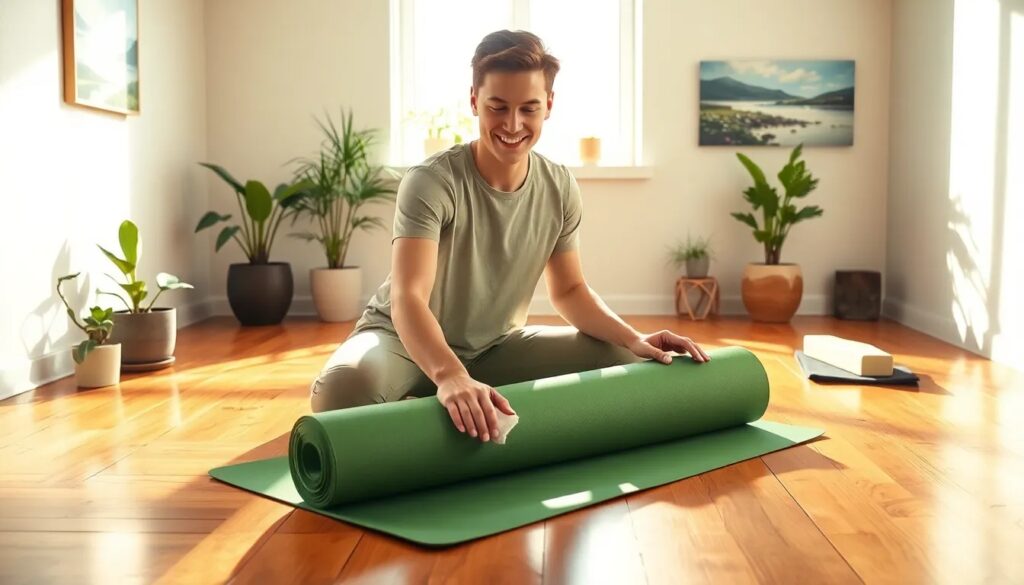
To clean a Jade yoga mat safely, wipe it down with a soft cloth dampened in plain water or a very dilute mix of water and mild dish soap, then hang it to air-dry indoors, away from direct sunlight. That is the core weekly routine. Because Jade mats are made of open-cell natural rubber, the cleaning rules are stricter than for PVC, TPE, or polyurethane-topped mats: skip alcohol, skip petroleum-based solvents, skip high-concentration essential oils, skip vinegar in strong doses, do not soak, do not machine-wash, and never sun-dry. This guide covers the after-class wipe, the monthly deep clean, how to deal with the new-mat rubber smell, what causes the flaking and crumbling, and how to keep the mat from breaking down early.
Why a Jade Mat Needs Different Care
JadeYoga mats are made of natural rubber tapped from rubber trees, not PVC or TPE. The open-cell structure is what gives the mat its famously grippy surface — and it is also why the mat absorbs whatever touches it: sweat, lotion, sunscreen, and cleaning products alike. Natural rubber additionally breaks down when exposed to UV light, heat, harsh solvents, and oils. According to JadeYoga's own care guidance, "many cleaning products contain ingredients that can be harmful to the natural rubber (alcohol, petroleum based solvents, soaps, or high concentration essential oils). These products adversely impact the natural rubber in our mats, causing it to break down, dry out, and become discolored." In practice that means two rules drive everything:
- Use as little product as possible. Residue soaks in, builds up, and can make the surface slick or sticky.
- Keep it away from sun, heat, and harsh chemicals. These break down the rubber and cause the flaking and crumbling Jade owners sometimes report.
The Quick After-Class Wipe (Weekly or Post-Sweat)
JadeYoga's official recommendation is to wipe the mat with a damp cloth on a weekly basis, and to do the same after every use if you have a hot or vigorous practice. For most home practitioners, once a week is enough between full sessions; after a sweaty vinyasa or hot class, an extra wipe keeps sweat from sitting in the cells overnight.
- Dampen a soft microfiber cloth with plain water. For a sweatier class, add a single drop of mild dish soap to a bowl of water first.
- Wring the cloth well — it should be damp, not dripping.
- Wipe the whole surface, top and bottom, using light circular strokes.
- If you used soap, go over the mat once more with a clean water-damped cloth to lift any residue.
- Hang the mat over a chair, rail, or shower rod indoors and let it dry completely before rolling it up.
If the mat has lost a bit of stickiness and you want to bring the grip back, a quick wipe with plain water before practice is the safest reset. Avoid the "yoga mat spray" products on the market that list high-concentration essential oils among the first ingredients — JadeYoga specifically warns that "many yoga mat sprays and natural cleaners on the market do have high concentrations of such essential oils," and that these can leave the surface slippery and slowly degrade the rubber.
The Monthly Deeper Clean
For a more thorough clean, the bathtub method is what most long-term Jade owners use once a month (or whenever the mat starts to smell):
- Lay the mat flat in a clean bathtub. Run a few inches of cool or lukewarm water — never hot, because heat accelerates rubber breakdown.
- Add a small amount of mild, oil-free dish soap to the water and agitate gently with your hand to distribute.
- Use a soft cloth (not an abrasive sponge) to wipe the surface in sections, rinsing the cloth as you go.
- Drain the tub and rinse the mat thoroughly with clean, cool water until no soap bubbles remain.
- Press a dry towel against the mat to pull out excess moisture, then hang it over a shower rod or a chair back indoors, away from windows. A natural rubber mat can take several hours to dry fully — do not rush it with a heater or hair dryer.
For lingering odors, a light sprinkle of baking soda left on the dry mat for 15–30 minutes and then wiped off with a barely damp cloth helps neutralize smells without harming the rubber. This works alongside, not instead of, proper drying.
What to Avoid on a Jade Mat
| Product or habit | Why it is a problem for natural rubber |
|---|---|
| Alcohol or solvent cleaners (including many "disinfecting" sprays) | Dry out the rubber and cause cracking over time |
| Petroleum-based solvents or bleach | Chemically break down natural rubber; explicitly flagged by JadeYoga as harmful |
| Strong or undiluted vinegar solutions | Acidity degrades rubber over time; if used at all, keep it very dilute and occasional |
| Essential-oil-heavy DIY sprays or commercial mat sprays | Oils break down rubber and can leave a slippery film on the surface |
| Soaking, hosing down, or machine washing | Open-cell rubber absorbs water and can warp, grow mildew inside, or tear under agitation |
| Sun-drying or leaving in a hot car | UV rays and heat are the fastest route to a crumbling mat |
| Rolling the mat up while still damp | Traps moisture, leading to odor and mildew inside the cells |
Dealing with the New-Mat Rubber Smell
A new Jade mat smells like rubber because it is rubber — and the scent is more noticeable right out of the box. JadeYoga's own FAQ is direct: "The natural rubber smell will dissipate over time. The best way to accelerate this process is to air the mat out in a well ventilated area — maybe even in front of a fan — but never outside or in direct sunlight." For most people the smell fades within a week or two; for some, it can take a couple of months. The smell does not mean the mat is damaged or off-gassing anything dangerous, and it is not a sign that you need to wash the mat aggressively — heavy cleaning early on can actually slow the process by adding moisture that traps the scent. Just unroll it indoors, point a fan at it, and let time do the work.
Why Your Jade Mat Is Flaking (and When to Replace It)
If the surface of your Jade mat is starting to shed, the rubber has already begun to break down. JadeYoga's own guidance points to four usual culprits: UV exposure, heat, alcohol- or oil-based cleaners, and simple age. Common triggers owners do not always connect:
- The mat was left in a car trunk through summer.
- It was hung to dry in a sunny window, or stored near a radiator.
- Lotion, sunscreen, or a heavily fragranced body oil was applied right before practice and soaked into the surface.
- The mat is simply past its useful life. With good care, a Jade mat lasts years of regular practice, but all natural rubber mats eventually shed — our guide on how often to replace a yoga mat covers the warning signs.
Once flaking is widespread, the rubber has broken down and the mat should be replaced. The good news: old yoga mats have a long second life. JadeYoga publishes a list of more than two dozen reuse ideas — from lining kitchen drawers, to donating to animal rescue groups, to using as kneeling pads in the garden. There is no need to throw a worn mat in the trash.
Cleaning Other Mat Types
Jade is not the only material on the market, and the rules shift once you move off natural rubber. Closed-cell mats (PVC, TPE) tolerate sprays better and dry faster. Polyurethane-topped mats like the Liforme behave differently from rubber on the surface — our Liforme mat review covers how that finish responds to wiping. Thickness also changes drying time, which matters for storage; see our yoga mat thickness guide for the trade-offs. For broader step-by-step routines on non-Jade mats, our general yoga mat cleaning guide and how to wash a yoga mat walk through the other materials. And for the material itself, what makes a natural rubber yoga mat explains why open-cell rubber behaves the way it does. Finally, store your mat rolled loosely, indoors, away from windows and radiators, and never folded — creases become weak points; some carrying options are covered in how to carry a yoga mat without a strap.
As an Amazon Associate, we earn from qualifying purchases.


Frequently Asked Questions
Occasionally and only very diluted — roughly one part white vinegar to four or more parts water, lightly applied and wiped off. Frequent or strong vinegar use degrades natural rubber, so plain water or a drop of mild dish soap is the safer default. JadeYoga does not list vinegar among their approved cleaners, so use it sparingly if at all.
No. Open-cell natural rubber absorbs water, and machine agitation tears the material. Stick to wiping with a damp cloth and air-drying away from sunlight — weekly for routine care, and a bathtub rinse about once a month for a deeper clean.
The usual culprits are UV exposure, heat, alcohol- or petroleum-based cleaners, oil-based products like body lotion, and simple age. Store the mat indoors out of the sun, never in a hot car, and clean it with water or a drop of mild soap only. Once widespread flaking starts, the rubber has broken down and the mat should be replaced.
Wipe it with a damp cloth weekly (or after every sweaty practice), and do a more thorough bathtub rinse with mild soap about once a month. Always let it dry completely indoors before rolling it up. Skip the dishwasher, the washing machine, and any cleaner that lists alcohol or essential oils near the top of the ingredients.
Yes — a natural rubber scent is normal out of the box and fades within a week or two for most people, though it can take a couple of months for those who are more sensitive to it. Unroll the mat in a well-ventilated indoor space, ideally in front of a fan, and never outdoors or in direct sunlight. The smell is not a defect and does not require aggressive cleaning to fix.
Have a correction? Contact us.
Last update 2026-09-10. Price and product availability may change.
Recommended: