Non-Slip Yoga Mat: How Grip Works and How to Choose One

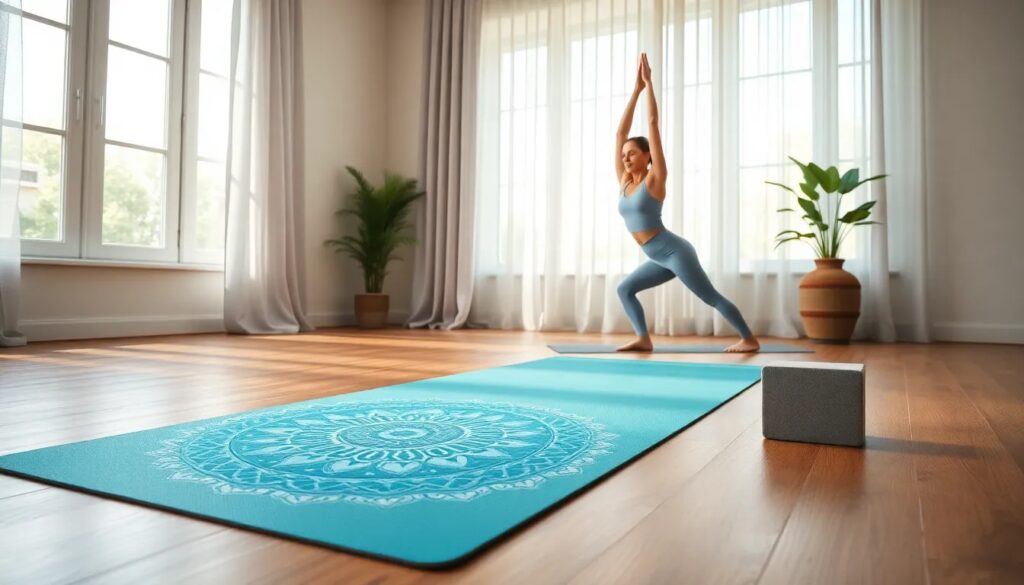
A non slip yoga mat grips you through three things working together: how inherently sticky the surface material is, how the surface handles sweat, and how much texture the maker added on top. The reason that matters is simple — most mats that feel slippery are not defective, they are just the wrong combination of those three for your hands, your sweat level, and the room you practice in. Once you know which mechanism is failing, you can either pick a better mat on the next try, or fix the one you already own without buying anything.
This guide covers both paths. First, the science of grip — short, no jargon. Then how to choose a non slip yoga mat that fits your practice style, with a material-by-scenario table and a separate section for sweaty hands and hot yoga. If you are reading this because the mat you have already slides, jump to the step-by-step fix near the end.
How non-slip surfaces actually work
- Material tack. Natural rubber and polyurethane are naturally grippy polymers — your skin adheres slightly to them even on a smooth surface. PVC and TPE are slicker by nature, so mats made from them compensate with texture.
- Open-cell vs. closed-cell. Open-cell surfaces work like a sponge: sweat is drawn into the surface, so your hand stays in contact with material rather than a film of water. Closed-cell surfaces seal moisture out — easier to clean, but sweat sits on top and turns the mat into a slide. That single distinction explains most grip complaints.
- Texture. Embossed patterns and fabric-like finishes increase friction when dry. They help less once sweat forms a continuous layer, which is why heavily textured budget mats still fail in hot classes.
Why yoga mats slip: the four causes
| Cause | How to recognize it | Fix |
|---|---|---|
| Factory film on a new mat | Brand new, uniformly slick, often PVC | Use it for a few weeks; speed it up with a salt scrub or diluted vinegar wipe |
| Body oil and cleaner residue | Older mat, slick patches where hands and feet land | Deep clean with mild soap and water; stop using oil-based or leave-on cleaners |
| Wrong material for your sweat level | Grip is fine until you sweat, then gone | Add a microfiber yoga towel, or switch to a PU-topped or cork mat |
| Worn-out surface | Shiny smooth zones, flaking, thinning | Replace the mat — no treatment restores a worn surface |
How to choose a non-slip yoga mat
Match the surface to the way you actually practice. The table below is built around use cases, not brand lists — if your situation is not here, it usually fits one of the columns.
| Material | Best for | Trade-offs |
|---|---|---|
| Natural rubber | Daily practice, dry to moderate sweat, balance-heavy styles | Strong grip out of the box; rubber smell fades over weeks; some people react to latex |
| Polyurethane (PU) top over rubber base | Sweaty hands, hot yoga, vinyasa with long holds | Gets tackier when damp, not just when dry; pricier; needs gentler cleaning |
| Cork (often with rubber base) | Heavy sweaters, hot studios, anyone who wants natural materials | Grip improves with sweat; cooler to the touch; can feel firm under knees |
| Textured PVC | Casual, low-sweat home practice, tight budgets | Cheap and durable; slick once sweat forms; harder to break in |
| Textured TPE | Light, beginner, low-sweat practice | Lighter than rubber; grip drops off quickly in heat |
As an Amazon Associate, we earn from qualifying purchases.


Two other things to weigh once you have a shortlist:
- Thickness. Very thick, soft mats let your hands sink and wobble in balance poses, which feels like slipping even when it is not. The practical sweet spot for most people is 4–5 mm — for the full breakdown, see our yoga mat thickness guide.
- Size. A mat that is too short puts your hands and feet onto the bare floor in long stances, which no surface technology can save. Check our yoga mat size guide if you are taller than average.
- Both sides matter. The underside needs grip too — a mat that creeps across a smooth studio floor during sun salutations is as annoying as slippery hands. Rubber bases hold floors best.
Best non-slip mat setup for sweaty hands and hot yoga
If your hands hydroplane mid-class, the answer is rarely "buy a more expensive mat." It is pairing the right surface with a microfiber yoga towel that grips the mat and grips you more as it gets damp. Two paths tend to work:
- PU-topped mat + microfiber towel. The PU surface stays grippy when wet, the towel adds a second gripping layer on top, and you can replace the towel without replacing the mat. The standard setup in dedicated hot yoga classes.
- Cork mat + thin microfiber towel. Cork's grip increases with sweat, so the mat itself does most of the work; the towel just absorbs drips. Feels cooler than rubber in a heated room.
Either way, save yourself a return: if the studio you practice in is over 95°F, prioritize sweat-friendly materials over cushioning. For more mat-by-mat options tuned to hot rooms, see our best yoga mat for hot yoga roundup.

- ABSORBS SWEAT INSTANTLY — STAYS DRY THROUGH EVERY POSE: High-density microfiber locks in moisture during hot yoga, Bikram, and Pilates so your towel never feels sopping wet — even in 90-minute sessions.
- WASH BEFORE FIRST USE FOR MAXIMUM GRIP – For optimal non-slip performance, we recommend machine washing your yoga towel once before use. This activates the microfiber's grip technology, ensuring your towel stays securely in place during your practice.
- GRIPS BETTER AS YOU SWEAT — PRO TIP INCLUDED: Unlike towels that slide before you warm up, a light mist on the mat surface activates grip from pose one. Traction increases throughout your session — no bunching, no slipping mid-flow.
- FULL MAT COVERAGE — NO GAPS, NO ROLLING EDGES: At 24" wide × 68" long, this towel covers your entire mat corner to corner, creating a clean, hygienic barrier that protects your mat and your practice.
- QUICK-DRY & TRAVEL-READY — READY FOR BACK-TO-BACK SESSIONS: Dries 3–5x faster than cotton, packs flat without bulk, and weighs less than a pound. Take it from the studio to the gym to your carry-on without a second thought.
- MACHINE WASHABLE — WASH COLD, HANG DRY TO MAINTAIN SIZE & SOFTNESS: Built from a high-grade polyester/nylon blend to withstand dozens of wash cycles. Wash on cold and hang dry to preserve dimensions and keep the microfiber at peak absorbency.

How to fix a slippery mat, step by step
- Identify the material. Check the label or product page: PVC, TPE, natural rubber, polyurethane top, or cork. Everything below depends on it.
- Deep clean it. Warm water, a few drops of mild dish soap, a soft cloth, a thorough rinse, and air dry flat. This alone fixes most oil-buildup slipperiness. For the full method by material, see our how to clean a yoga mat guide.
- Break in a new PVC mat. Scrub gently with a paste of coarse salt and water, leave it a day, then rinse. Practicing on it daily does the same job more slowly.
- Manage sweat instead of fighting it. A grippy microfiber towel over the mat is cheaper than any premium mat and works on all of them.
- Know when to give up. If the surface is visibly smooth and shiny where your hands go, the texture is gone. Time for a replacement — our best non-slip yoga mat comparison matches materials to sweat levels and budgets.

- Effective Cleaning Power: Removes sweat, dirt, and everyday buildup from yoga mats, exercise mats, and fitness accessories
- Essential Oil Infusion: Infused with essential oils for a light, refreshing citrus scent after cleaning
- No Residue Formula: Leaves no sticky or slippery residue that can interfere with your practice
- Versatile Application: Suitable for yoga mats, blocks, straps, exercise mats, and workout accessories
- USDA Certified Biobased Formula: Made with renewable plant-based ingredients that are certified by the USDA
- Made in the USA: Manufactured in the USA with a focus on quality and reliable performance
Habits that keep a mat grippy
- Wipe it down after sweaty sessions — dried sweat leaves salt and oil behind.
- Wash your hands before practice; lotion is a grip killer.
- Let the mat dry fully before rolling it, and store it out of direct sun.
- Avoid leave-on shine products and essential-oil-heavy sprays on the practice surface.
- Rotate which end you stand on to spread the wear.
Frequently asked questions
First deep clean it with mild soap and water to remove body oils. If it is a new PVC mat, break it in with regular use or a coarse salt scrub. If it only slips once you sweat, add a microfiber yoga towel or switch to a polyurethane-topped or cork mat. A worn, shiny surface cannot be restored.
For dry hands, natural rubber offers the most reliable tack. For sweaty hands and hot yoga, polyurethane top layers and cork perform best because they keep gripping when wet. Textured PVC and TPE are adequate for casual practice but weakest once sweat builds up.
The surface grip is the same, but very thick soft mats let your hands and feet sink and tilt, which creates instability that feels like slipping, especially in balance poses. Around 4 to 5 mm is the practical sweet spot between cushioning and stability for most practitioners.
In a pinch, yes, but ordinary terry towels slide around on the mat and bunch under your hands. Yoga towels are microfiber with a grippy underside or corner pockets, designed to stay put and become tackier as they absorb sweat.
A polyurethane-topped mat paired with a microfiber yoga towel. The PU surface stays grippy when damp and the towel adds a second gripping layer. Cork is the main natural alternative that also gets tackier with sweat, though it feels firmer under the knees.
A daily-practiced rubber or PU mat typically holds its grip for one to three years before the surface shows visible shine or flaking. Lighter home practice can stretch that to four or five. Once the spots under your hands and feet look smooth and shiny, the texture is gone and no treatment will bring it back.
Have a correction? Contact us.
Last update 2026-09-10. Price and product availability may change.
Recommended: