Yoga Pants vs Leggings: What’s Actually Different (and Which to Buy)

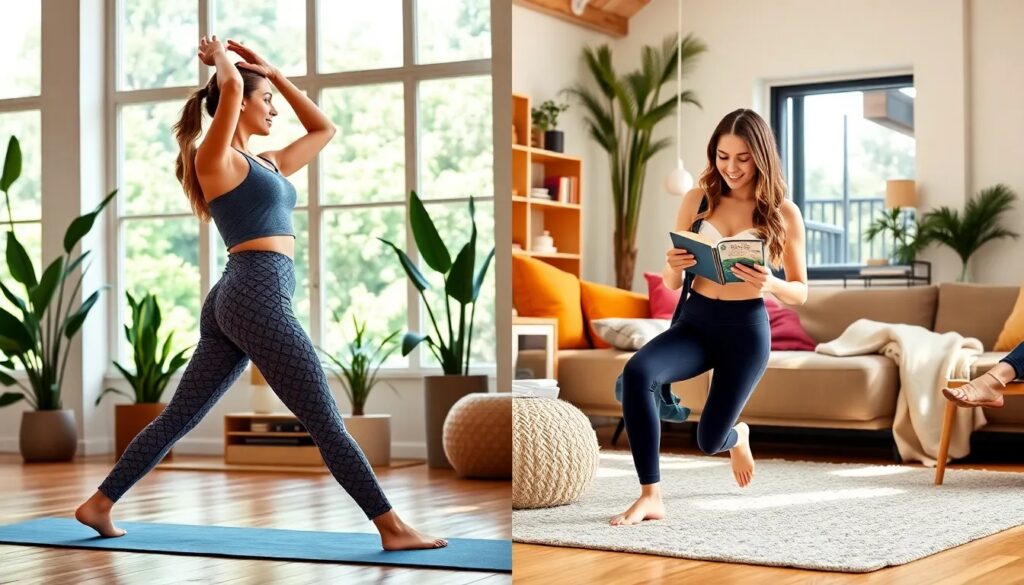
The short answer: yoga pants are activewear engineered for exercise — thicker, compressive, moisture-wicking fabric with a high waistband and flatlock seams — while leggings are a broader category of thin, stretchy layering garments built mainly for comfort and style. Every pair of yoga pants is technically a type of legging silhouette (unless they are flared or bootcut), but most fashion leggings are not built to survive a sweaty class.
That overlap is what confuses shoppers. Below is exactly what separates the two, which one fits which type of class, and what to check on the label before paying activewear prices.
- What are yoga pants?
- What are leggings?
- Yoga pants vs leggings: side-by-side comparison
- Which one for which type of yoga?
- Yoga pants vs capri leggings vs shorts
- How to tell if a pair is squat-proof
- What to check on the label before buying
- Can you wear yoga pants as everyday leggings — and vice versa?
- Frequently asked questions
What are yoga pants?
Yoga pants are performance bottoms designed for movement. The classic version is the flared or bootcut style popularized in the early 2000s, but today the term covers any exercise-grade legging or pant intended for yoga and the gym. The defining features are functional:
- Thicker, opaque technical fabric — usually nylon or polyester blended with spandex/elastane — that holds its shape through deep squats and forward folds.
- Moisture-wicking and breathable construction that moves sweat away from the skin.
- A wide, high-rise waistband that stays put when you invert or bend.
- A gusseted crotch and flat seams that allow full range of motion without chafing, with no center-front seam.
- Four-way stretch with recovery, meaning the fabric snaps back instead of bagging out at the knees.
As an Amazon Associate, we earn from qualifying purchases.


What are leggings?
Leggings began as a warmth and layering garment and evolved into an everyday fashion staple. They are typically made from thinner cotton, polyester, or rayon blends with elastane, cut close to the body from waist to ankle. Quality varies enormously: some leggings are essentially heavy tights meant to be worn under tunics and dresses, while premium pairs are opaque enough to wear on their own. What most fashion leggings lack is the technical construction of activewear — sweat-wicking fabric, a gusset, compressive support, and squat-proof opacity.
Yoga pants vs leggings: side-by-side comparison
| Feature | Yoga pants | Leggings (fashion) |
|---|---|---|
| Primary purpose | Exercise and athleisure | Layering, casual wear, style |
| Fabric weight | Mid to heavy, opaque | Light to mid, often sheer when stretched |
| Fabric type | Nylon/poly + spandex, moisture-wicking | Cotton, rayon, or poly blends |
| Waistband | Wide, high-rise, supportive | Narrow elastic, lower rise |
| Seams | Flatlock, gusseted, no front seam | Standard seams, often a front seam |
| Squat-proof | Yes, by design | Often not |
| Durability in workouts | High — built for sweat and friction | Lower — pills and thins with heavy use |
| Best for | Vinyasa, hot yoga, power, gym | Lounging, errands, layering, slow flow |
Which one for which type of yoga?
Different styles of class put different demands on your clothing. The same pair that is fine for a Sunday restorative session will be miserable in a 95-minute hot vinyasa.
Slow flow, yin, and restorative
Here the body moves little, holds poses for minutes, and rarely breaks a sweat. A pair of fashion leggings works, provided they are opaque in a deep squat and have a waistband that does not roll when you fold forward. Cotton-rich blends breathe well and stay comfortable at room temperature. Save the technical wicking fabric for a day when you will actually sweat.
Vinyasa, power, and Ashtanga
Fast transitions, jumping back, and frequent inversions. You need yoga pants: the wide waistband stays up through Downward Dog, the gusset gives full range, and the wicking fabric does not turn heavy when you sweat. Thin fashion leggings slide down, bag at the knees, and turn sheer in forward folds.
Hot yoga (Bikram, hot vinyasa)
Heated rooms change the calculus. Cotton absorbs sweat and gets heavy; leggings with a high synthetic content dry faster and feel lighter when wet. A second-skin fit also helps heat dissipate. See our guide to what is hot yoga for what to expect, and the best yoga mat for hot yoga for the floor side of the equation.


Yoga pants vs capri leggings vs shorts
Yoga pants are not the only option on the rack. The same principles — opaque technical fabric, gusseted crotch, supportive waistband — apply to capri leggings (cropped mid-calf, good for warm rooms and short legs) and to yoga shorts (best for hot styles and for teachers who demonstrate a lot of inversions). What separates a yoga short from a running short is the same thing that separates yoga pants from leggings: stretch with recovery, a waistband that stays put, and fabric that holds up under friction.
How to tell if a pair is squat-proof
You do not need a class to find out. The squat test takes ten seconds in a fitting room with good light:
- Stand in front of a mirror in good light. Direct, slightly low light is best.
- Squat to a 90-degree knee bend. Use a hand on the door for balance if needed.
- Check the seat and thighs. If the fabric turns sheer, shows the texture of your underwear, or darkens where it stretches, the pair will fail in Downward Dog too.
- Stretch the fabric at the knee and thigh. It should return to shape immediately rather than stay bulged.
Shopping online? Look for words like opaque, squat-proof, or second skin in reviews, and a fabric weight in the mid-to-heavy range. A nylon/polyester blend with roughly 10–25% spandex is the typical recipe.
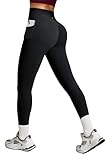
- Lifted Look, Zero Effort. These butt lifting leggings with pockets for women feature a V-shaped seam that gently lifts and sculpts your glutes—flattering from every angle, no squats needed
- High-Waisted Support, All-Day Control. Compression leggings for women with four way-stretch fabric and firm compression that sculpt and support without restricting movement. Squat-proof coverage keeps you confidently covered. The stretchy back keeps everything comfy and in place—no rolling or slipping
- No Front Seam Leggings for Women, No Fuss. These workout leggings for women move with you—so you can bend, stretch, and squat without a second thought
- Comfort without compromise. By adopting 4-way stretch technology, these leggings for women tummy control enable you to move, bend, squat and stretch easily, just as a second-layer skin on your body
- Yoga pants with pockets, No Bulk. We added 2 side deep pockets to your favorite yoga pants women, that hold your keys, and credit cards, and won't get in your way
What to check on the label before buying
- Fiber content: for exercise, look for nylon or polyester with roughly 10–25% spandex/elastane; save mostly-cotton pairs for casual wear.
- Gusset: a diamond-shaped panel at the crotch signals activewear construction.
- Waistband height and width: wide and high-rise stays put during movement.
- Stretch and recovery: stretch the fabric — it should return to shape immediately rather than staying distorted.
- Care instructions: technical fabrics keep their stretch longest washed cold and air-dried.


Can you wear yoga pants as everyday leggings — and vice versa?
Yoga pants work fine as everyday wear; that is essentially what the athleisure trend is. They cost more, but they last longer and stay opaque. The reverse is riskier: thin fashion leggings in a yoga class can turn sheer in bends, slide down at the waist, and wear out quickly at the knees and seat. If a pair of leggings is explicitly sold as activewear with wicking fabric and a gusset, it is functionally a pair of yoga pants regardless of the label. For a deeper look at the relationship between the two, see what's the difference between leggings and yoga pants and our guide to how to wear yoga leggings.
If you are putting together a full class outfit, our guide on what to wear to yoga covers tops, layers, and footwear etiquette, and beginners can start with the basics in yoga for beginners. Gear matters too — a good outfit will not save you from a slippery surface, so check our picks for the best yoga mat and, for heated rooms, the best mat for hot yoga. For the full picture of yoga pants styles (flared, bootcut, high-rise, cropped), see our main yoga pants guide. And for mats, blocks, and everything else you might need on the mat, browse our yoga equipment and resources hub.
Frequently asked questions
No. Yoga pants are performance activewear with thicker wicking fabric, a supportive high waistband, a gusset, and flat seams. Leggings are a broader category of thin, stretchy bottoms made mainly for comfort and layering. Athletic leggings sold as activewear are effectively yoga pants; fashion leggings are not.
It depends on the class. For slow flow, yin, or restorative where you move little and sweat less, opaque fashion leggings with a non-rolling waistband are fine. For vinyasa, power, or any heated style, technical yoga pants are a better choice: they stay opaque in forward folds, wick sweat, and the waistband does not slide during inversions.
The price gap reflects construction: technical wicking fabrics, four-way stretch with recovery, gusseted crotches, flatlock seams, and reinforced waistbands cost more to produce than simple knit leggings. A well-made pair also outlasts cheap leggings, which pill and lose opacity with heavy use.
Do the squat test in good light: squat to 90 degrees and check whether the fabric over the seat and thighs becomes see-through or shows the texture of whatever is underneath. If shopping online, look for mid-to-heavy fabric weight, a nylon or polyester blend with spandex, and reviews that mention opacity.
Have a correction? Contact us.
Last update 2026-09-10. Price and product availability may change.
Recommended: