Yoga Nidra Teacher Training: How to Get Certified to Guide Deep Rest

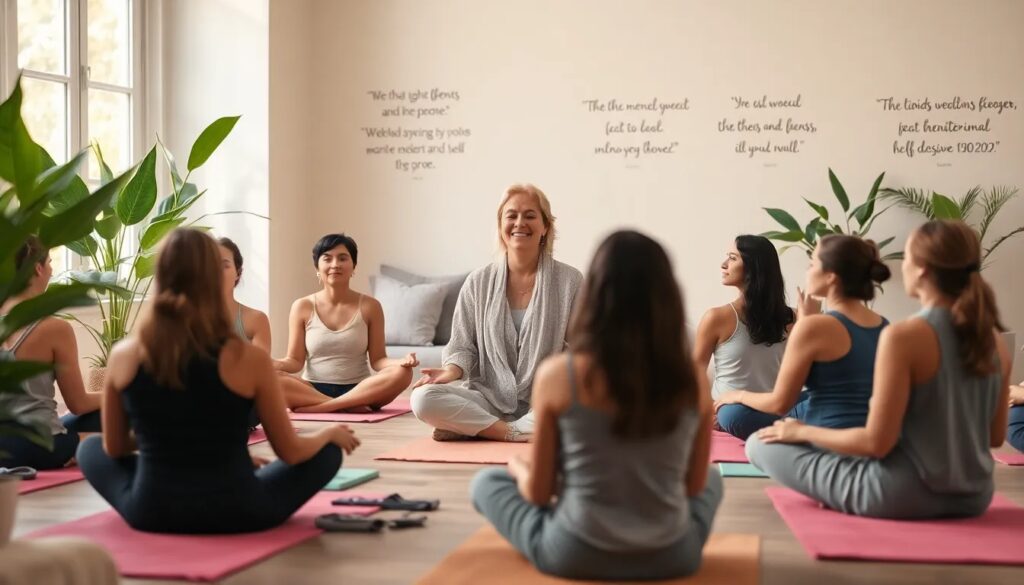
Yoga nidra teacher training is a specialty certification that prepares you to guide yoga nidra — the practice of yogic sleep, a structured, scripted meditation done lying down that systematically rotates attention through the body and breath to induce deep relaxation. Unlike a general yoga certification, these trainings focus on voice, scriptwriting, and pacing rather than postures. Most programs run 20 to 100+ hours, are open to both yoga teachers and non-teachers (therapists, coaches, counselors), and count as continuing education with Yoga Alliance rather than as a standalone RYT credential.
This guide explains what yoga nidra is, what the trainings actually teach, what the main teaching approaches look like, and what to check before enrolling.
- What is yoga nidra?
- What does a yoga nidra teacher training cover?
- Yoga nidra vs. seated meditation vs. savasana
- Formats, hours, and what "certification" really means
- Teaching approaches compared: Satyananda, iRest, Kripalu, and modern integrators
- How to choose a program: 6 checks
- Who this training is for — and what you can do with it
- Frequently asked questions
What is yoga nidra?
Yoga nidra is a guided practice, usually 20 to 45 minutes, in which the practitioner lies still (typically in savasana) while a facilitator leads them through stages: setting an intention (sankalpa), rotating awareness through parts of the body, observing breath, and working with sensations and imagery. The goal is a state of deep rest at the border between waking and sleep — conscious, but profoundly relaxed. The structured modern forms trace largely to Swami Satyananda Saraswati of the Bihar School of Yoga, with later adaptations such as iRest, developed by psychologist Richard Miller and studied in clinical settings. Related techniques have recently gained mainstream attention under the label NSDR (non-sleep deep rest).
Early research on yoga nidra is encouraging for stress and sleep, but the evidence base is still small. It is best presented to students as a powerful relaxation practice — not as a treatment that replaces medical or psychological care. For a plain-language primer on the practice itself, see our guide to what is yoga nidra.
What does a yoga nidra teacher training cover?
- The framework of the practice: the classical stages — intention, body rotation, breath awareness, opposite sensations, visualization, and return.
- Scriptwriting: how to write and adapt scripts for different audiences and session lengths — usually the core skill of the training.
- Voice and delivery: pacing, tone, pauses, and the difference between reading a script and holding a room.
- Theory: the koshas (layers of being) model from yogic philosophy, plus basic sleep and relaxation physiology — brainwave states, the relaxation response.
- Adaptation: tailoring sessions for stress, sleep support, athletes, or trauma-sensitive contexts.
- Practicum: guiding live sessions and receiving feedback.
Good trauma-sensitive modules teach you choice-based language and — importantly — the limits of your role: a yoga nidra facilitator is not a therapist, and trainings that blur that line deserve caution.
Yoga nidra vs. seated meditation vs. savasana
| Yoga nidra | Seated meditation | Savasana | |
|---|---|---|---|
| Position | Lying down, supported | Seated, upright | Lying down |
| Guidance | Fully guided, structured stages | Often unguided or lightly guided | Usually silent rest |
| Length | 20–45+ minutes | 5–60 minutes | 5–10 minutes at class end |
| Effort | Effortless following of the voice | Active attention training | None — pure rest |
| Teaching skill needed | Script, voice, pacing | Instruction in technique | Minimal |
Formats, hours, and what "certification" really means
Common formats include short online certifications (roughly 20–50 hours, self-paced or live on Zoom), weekend or week-long in-person immersions, and longer professional programs of 100+ hours from established schools and retreat centers. Two practical notes on credentials:
- There is no separate Yoga Alliance designation for yoga nidra. Yoga Alliance treats these trainings as continuing education — the same model used for workshops, anatomy courses, or specialty intensives — not as a standalone RYT credential. The continuing education framework is described on the Yoga Alliance continuing education page as advanced learning for teachers who want to refine skills and expand their expertise. If a program implies an official "nidra license," treat that as marketing.
- You do not need to be a yoga teacher first for most programs — yoga nidra involves no physical adjustments or asana teaching — though having a teaching credential helps if you want studios to hire you. If you are not yet certified and want the broader qualification, see our guide to 200-hour yoga teacher training.
Teaching approaches compared: Satyananda, iRest, Kripalu, and modern integrators
Most trainings fall into one of four approaches, and the difference is worth knowing before you enroll — the script structure, pacing, and the role of the teacher change noticeably between them.
| Approach | Lineage / origin | What it emphasizes | Best for |
|---|---|---|---|
| Satyananda / Bihar tradition | Swami Satyananda Saraswati, Bihar School of Yoga (mid-20th century) | Classical stage-by-stage rotation; strong sankalpa (intention) practice; longer sessions | Teachers who want the original framework and a deeply traditional feel |
| iRest | Dr. Richard Miller, adapted for clinical and military settings | 10-step protocol; trauma-aware language; explicit integration of interoception and emotion | Therapists, healthcare providers, and teachers working with stress or clinical populations |
| Kripalu-centered | Kripalu Center (Jennifer Reis and senior faculty) | Five-day residential format; prana, breath, and witness-awareness framing; gentle, accessible delivery | Teachers who prefer in-person immersion and a softer, more relational style |
| Modern integrators | Independent schools and teachers (Yoga Nidra Network, Ally Boothroyd, My Vinyasa Practice, etc.) | Hybrid Satyananda/iRest elements; flexible online or hybrid delivery; built-in CE hours and digital libraries | Self-paced learners and active teachers who want CE hours without travel |
The lines blur in practice — many programs describe themselves as "Satyananda-inspired" or "iRest-informed" while teaching a hybrid — but the framing above is a useful map when comparing syllabi side by side.
How to choose a program: 6 checks
- Lineage and method: does the program teach a recognizable approach (Satyananda/Bihar tradition, iRest-informed, Kripalu, or a clearly explained modern synthesis), or vague proprietary content?
- Trainer experience: years of facilitating nidra specifically — not just general yoga teaching.
- Live feedback: the skill is in delivery, so a program where no one ever hears you guide a session cannot certify that you can.
- Script library and rights: check whether you may use and adapt the provided scripts commercially.
- Trauma-sensitive content: taught explicitly, with clear scope-of-practice boundaries.
- CE recognition: if you are an RYT, confirm the hours qualify for Yoga Alliance continuing education.
For online learners, two practical filters matter most: live practicum sessions with real feedback, and a clear statement on commercial use of the script library. For in-person seekers, the same checks apply — and a short sample class or trial day is worth requesting before committing to a residential program.
Who this training is for — and what you can do with it
Yoga teachers add nidra to their schedule as evening classes, workshop offerings, and the closing practice of retreats — it pairs naturally with the formats described in our guide to yoga and meditation retreats. Therapists, coaches, and bodyworkers use it as a complementary relaxation tool within their existing scope. And because the practice is physically undemanding, it is one of the most accessible offerings you can bring to populations who cannot do a flowing asana class — a very different audience from, say, an Ashtanga training, and a gentle counterweight if your own practice is dynamic like Vinyasa. For a broader view of where this fits in a teaching career, see our guide to yoga teacher training.
Yoga nidra is generally safe, but it is not a substitute for treatment of insomnia, anxiety disorders, PTSD, or depression. If you plan to work with clinical populations, do so alongside, not instead of, qualified healthcare professionals.
Frequently asked questions
Usually not. Because yoga nidra involves no postures or physical adjustments, most programs accept therapists, coaches, nurses, and dedicated practitioners as well as yoga teachers. A teaching credential helps with studio employment but is rarely a prerequisite.
Most certifications run between 20 and 100 hours. A focused online course can be completed in a few weeks, a residential immersion in about a week, and longer professional programs over several months. More hours generally mean more supervised practice, which is where the skill develops.
There is no standalone Yoga Alliance designation for yoga nidra. Reputable trainings typically count as continuing education hours for registered teachers, and some are offered by registered schools. Confirm CE eligibility with the provider before enrolling if that matters to you.
Yes, and many facilitators do. Yoga nidra translates unusually well to remote delivery because students simply lie down and listen. Live online sessions, recorded audio, and app content are all common ways graduates share the practice.
Yoga nidra is a fully guided practice done lying down, while most seated meditation is lightly guided or unguided and trains active attention. The table in this guide summarizes the differences in position, guidance, length, and the teaching skill each requires.
Have a correction? Contact us.
Recommended: