Vinyasa Yoga: What It Is, How It Works, and What a Class Looks Like

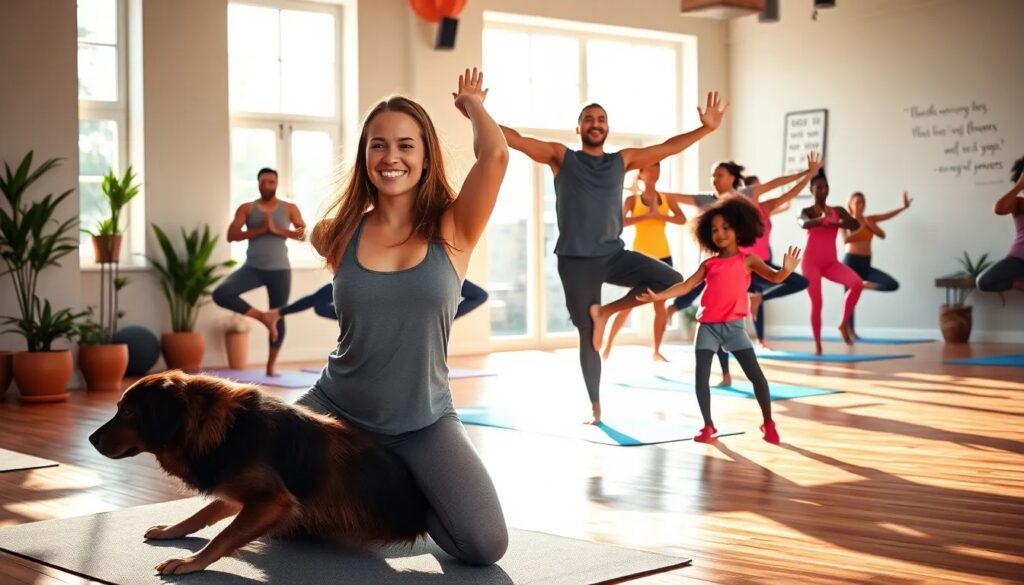
Vinyasa yoga is a style of yoga built around linking breath to movement. Every posture in a vinyasa class is paired with either an inhale or an exhale, and the transitions between postures are treated as part of the practice rather than as something to skip. The word itself is Sanskrit, and in the yoga world it does double duty: it names the broad class style on most studio schedules, and it names a specific transition that teachers cue with the phrase take a vinyasa. Understanding both uses of the word is what makes a vinyasa class feel coherent instead of fast.
What "Vinyasa" Actually Means
The Sanskrit root breaks into two parts: vi, meaning in a particular way, and nyasa, meaning to place. The most common translation is to place in a special way, and in practice it refers to arranging movements deliberately, with each one tied to a specific breath. In the Ashtanga tradition, from which the modern flow classes descend, every movement in and out of a posture is assigned a prescribed inhale or exhale, and the count of those breath-movements is itself called the vinyasa of the pose. Our guide to yoga terminology covers more of the Sanskrit vocabulary that shows up in class names and cueing.
The Three Uses of the Word You'll Hear in Class
| Use of "vinyasa" | What it refers to | Where you hear it |
|---|---|---|
| The principle | Linking each movement to a specific inhale or exhale so the sequence has a rhythm | Yoga philosophy, teacher trainings, the Ashtanga method |
| The class style | Flow classes built on that principle, with sequences that change from class to class | Studio schedules: Vinyasa, Vinyasa Flow, Power Vinyasa |
| The transition | The plank to Chaturanga to Upward-Facing Dog to Downward-Facing Dog series | The in-class cue: take a vinyasa |
The thread running through all three uses is the breath. In a vinyasa class, the breath is the metronome, and the movements are arranged around it rather than the other way around.
How a Vinyasa Class Actually Works
A typical class opens with a few minutes of centering and breath awareness, often moving into a brief warm-up sequence of seated and kneeling postures. The teacher then builds a peak sequence, which is the most demanding part of the class, by stringing postures together in a way that warms each part of the body progressively. Between sections of the peak sequence, the teacher cues a vinyasa to reset the body and bring everyone back to a neutral position. The class closes with counterposes, a few minutes of seated or reclined work, and often a short final relaxation.
The freeform sequencing is what separates a vinyasa class from a fixed-series method. In a fixed practice like the primary series of Ashtanga yoga, the order of postures is the same every time, and the only thing that changes is how deeply the student works. In a vinyasa class, the order changes every week, sometimes every day, and the teacher chooses the choreography based on the theme of the class or the level of the room. For a side-by-side comparison of vinyasa and power formats, see our guide to what power yoga is.
What "Take a Vinyasa" Means
When a teacher says take a vinyasa, they are cueing a specific transition. It runs on one breath per movement and looks like this:
- Plank, on an inhale. Shoulders stack over the wrists, the body holds one line, the core and the legs engage.
- Chaturanga Dandasana, on an exhale. Shift forward onto the toes, bend the elbows straight back, and lower until the upper arms are about parallel to the floor. The elbows stay close to the ribs; the shoulders do not dip below the elbows.
- Upward-Facing Dog, on an inhale. Roll over the tops of the feet, straighten the arms, lift the chest, and keep the thighs off the floor. The shoulders draw down away from the ears.
- Downward-Facing Dog, on an exhale. Roll back over the toes, lift the hips up and back, and pause for one or more breaths before the next sequence begins.
Quality matters more than count. A flow class can include a dozen vinyasas, and done with poor alignment that is a dozen repetitions of the same shoulder-loading pattern. The fix is never to push through, it is to slow down and protect the form.
Common Mistakes That Cause Shoulder Pain
- Lowering past the elbows in Chaturanga. Dropping the shoulders below the elbows puts the load on the front of the shoulder joint instead of on the triceps and chest. Stop at elbow height, or higher.
- Flaring the elbows out to the sides. The elbows should track back along the ribs, not wing outward. Flaring shifts the work to the shoulder joint.
- Letting the hips sag. In plank and in Upward-Facing Dog, a collapsed midsection puts the lower back under load. Keep the core active and, in Upward Dog, press the tops of the feet down so the legs do their share.
- Moving ahead of the breath. If the body arrives before the inhale or exhale, the rhythm is broken and the movement is being driven by momentum rather than by breath.
- Taking every single vinyasa. Skipping a vinyasa to rest in Downward-Facing Dog or Child's Pose is normal practice etiquette. Experienced students and teachers skip vinyasas whenever their form is starting to slip.
Modifications That Keep You Practicing Safely
- Knees-down Chaturanga. Lower the knees from plank before bending the elbows. This is the standard way to build pressing strength without overloading the shoulders.
- Cobra instead of Upward-Facing Dog. A smaller backbend with the legs on the floor, gentler on the lower back and on the shoulders.
- Skip straight to Downward-Facing Dog. From plank, simply press back. This is a legitimate vinyasa-free transition, and many teachers use it as the default for newer students.
- Step instead of jump. When the class jumps forward or back from Downward Dog, stepping achieves the same transition with less impact on the wrists and shoulders.
If the basic shapes of plank, Cobra, and Downward-Facing Dog are still new, it helps to spend a few weeks on a slower practice first. Our beginning yoga guide and our page on hatha yoga both cover the alignment that the vinyasa transition depends on.
Where the Breath-Linked Sequence Comes From
The breath-counted vinyasa system was popularized in the twentieth century through T. Krishnamacharya and his student K. Pattabhi Jois, whose Ashtanga Vinyasa method assigns a fixed breath count to every movement in and out of each posture. American and European teachers later loosened the fixed sequences into the freeform flow classes that dominate studio schedules today, keeping the breath-to-movement link while letting the choreography vary. That is why the take-a-vinyasa transition feels like a fragment of a Sun Salutation: it is one. The breath awareness underneath the whole system has its own dedicated practice, covered in our guide to pranayama. For a deeper look at the class style itself, our pillar article on what vinyasa yoga is walks through the formats, levels, and how to choose a class.
Frequently Asked Questions
The Sanskrit term is usually translated as to place in a special way, from the prefix vi (in a particular manner) and nyasa (placement). It refers to arranging movements deliberately and linking each one to an inhale or an exhale.
It is shorthand for the transition series: plank, lower to Chaturanga on an exhale, Upward-Facing Dog on an inhale, then Downward-Facing Dog on an exhale. Teachers cue it between sequences as a moving reset.
Yes, and you should whenever fatigue starts degrading your form. Resting in Downward-Facing Dog or Child's Pose while the class takes a vinyasa is normal practice etiquette, and protecting your shoulders matters more than keeping count.
Ashtanga is a specific method with fixed series of postures performed in the same order every time, each with a prescribed breath count. Vinyasa flow classes use the same breath-movement principle but with freeform, varied sequencing chosen by the teacher.
The usual causes are lowering the shoulders below elbow height, flaring the elbows wide, or doing many fatiguing repetitions without resting. Stopping at elbow height, hugging the elbows to the ribs, and skipping a vinyasa when form is slipping all help.
Have a correction? Contact us.
Recommended: