Pranayama: A Practical Guide to Yogic Breathing Techniques

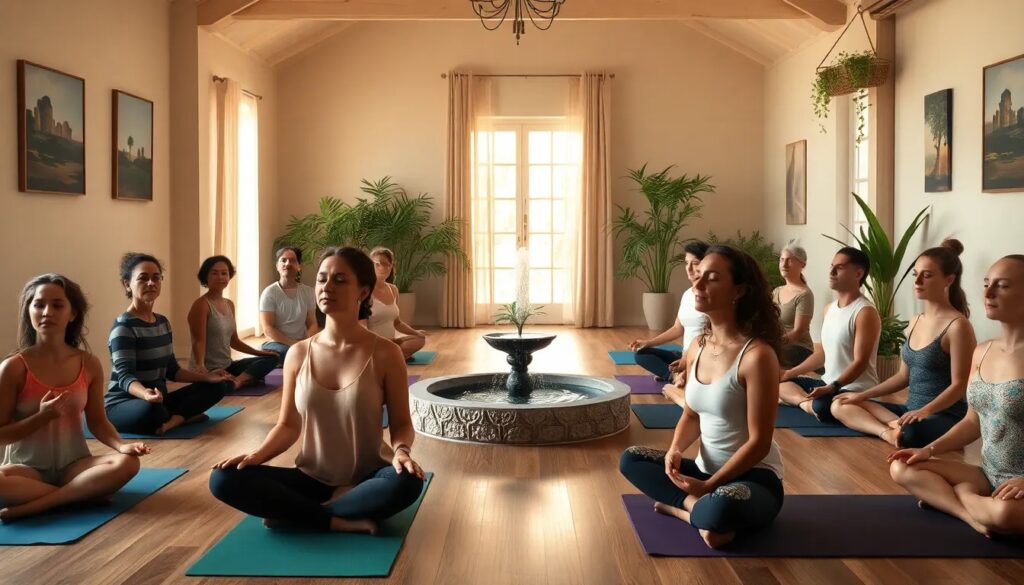
Pranayama is the yogic practice of deliberate breath regulation. The word combines the Sanskrit prana (life force, breath) with ayama (extension, control), and in classical yoga it is the fourth of the eight limbs described in Patanjali's Yoga Sutras — the bridge between physical postures and meditation. In practice, pranayama means structured patterns of inhalation, exhalation, and sometimes breath retention, each producing different effects: some techniques calm the nervous system, others are energizing. If you are new to breath work in general, our breathwork and meditation pillar frames the wider context; this guide focuses on the classical yogic techniques and how to start today.
What pranayama is (and where it comes from)
Breath control appears throughout yoga's classical literature. Patanjali's Yoga Sutras (compiled roughly two thousand years ago) list pranayama as the fourth limb of yoga, and medieval hatha texts such as the Hatha Yoga Pradipika describe specific techniques in detail — several of which are still taught today under the same names. In the traditional framework, regulating the breath regulates prana, the vital energy moving through the body's channels.
The modern physiological reading is different but complementary: breath is the one autonomic function we can easily control voluntarily, and slow breathing measurably influences the parasympathetic nervous system — heart rate slows, heart-rate variability rises, and the body shifts toward its rest-and-digest state. Both framings point to the same practical fact: changing how you breathe changes how you feel, quickly.
The seven classic techniques compared
Most beginner-level lists name six techniques; the classical hatha tradition includes a seventh — sitali — a cooling inhale through a curled tongue. Together these seven cover almost everything you will encounter in a yoga class or a beginner's manual.
| Technique | Common name | Effect | Level |
|---|---|---|---|
| Nadi Shodhana | Alternate nostril breathing | Calming, balancing; a common pre-meditation practice | Beginner |
| Ujjayi | Ocean breath | Steadying; the audible breath used throughout flowing yoga classes | Beginner |
| Bhramari | Humming bee breath | Strongly calming; the exhale hum has an immediate settling effect | Beginner |
| Sama Vritti | Box / equal breathing | Calming and focusing; used far beyond yoga, including by athletes | Beginner |
| Sitali | Cooling breath | Cooling; inhale through a curled tongue, exhale through the nose | Beginner |
| Kapalabhati | Skull-shining breath | Energizing; rapid forced exhales — technically a cleansing practice (kriya) | Intermediate |
| Bhastrika | Bellows breath | Strongly energizing; forceful inhales and exhales | Intermediate–advanced |
The broad rule: slow techniques calm, fast techniques energize. Beginners should build a base with the slow group before attempting kapalabhati or bhastrika, which involve forceful breathing and more contraindications.
What the research supports (and where it stops)
Slow-paced breathing is one of the better-evidenced mind-body practices for everyday stress regulation. Study protocols in this field typically use around six breaths per minute with a longer exhale than inhale, and that pacing has been associated with reduced perceived stress and anxiety, modest reductions in blood pressure, and improved heart-rate variability. Research on yogic breathing specifically has explored effects on stress markers and lung function across a range of populations, with overall positive but heterogeneous findings — the strength of the evidence is in the subjective-stress side, not in hard clinical outcomes.
Honest limits of the evidence: many studies in the field are small, blinding the participants is essentially impossible, and effects on hard clinical outcomes are less established than effects on how people feel day to day. Pranayama is a useful tool for everyday stress regulation and a complement to medical care — not a replacement for it. For a deeper look at the related therapeutic side of yogic breathing, our pranayama breathing explainer goes further into the clinical framing.
A 5-minute beginner routine
Sit comfortably with a tall spine — a chair is fine. Breathe through the nose throughout.
- Settle (1 minute). Close your eyes and observe your natural breath without changing it.
- Slow it down (1 minute). Gradually lengthen the exhale until it is longer than the inhale — for example, in for 4 counts, out for 6.
- Box breathing (2 minutes). Inhale 4 counts, hold gently 4, exhale 4, hold 4. If the holds feel strained, drop them and keep the 4-in, 6-out pattern instead.
- Bhramari to finish (1 minute). Inhale, then exhale with a soft humming sound, lips closed. Three to five rounds.
Practice once or twice daily; consistency at five minutes beats an occasional half hour. The breath should always feel comfortable — strain, dizziness, or air hunger means back off. This routine also pairs naturally with movement: do it before our morning yoga routine for beginners, or use the long-exhale pattern to wind down for sleep. If you want a broader view of breathing practices inside yoga beyond this one routine, our guide to yoga breathing lays out the wider field.
How to do alternate nostril breathing (nadi shodhana)
- Rest your right thumb beside your right nostril and your ring finger beside the left.
- Close the right nostril with the thumb; inhale slowly through the left.
- Close the left nostril, release the right, and exhale through the right.
- Inhale through the right, switch, and exhale through the left. That is one round.
- Continue for 5–9 rounds, keeping the breath silent and unhurried, with no retention to start.
Pranayama in a yoga practice
Breath is the organizing principle of most modern yoga, not an add-on. Ujjayi breathing runs continuously through flowing classes, where each movement is timed to an inhale or exhale — that linkage is the literal meaning of vinyasa, as covered in our article on what vinyasa yoga is. Breath awareness is also the simplest measure of intensity: if you cannot breathe smoothly in a pose, you have exceeded today's range. And while breathing practice is deeply restorative, it is not aerobic exercise — see whether yoga counts as cardio for how the pieces of fitness fit together. Pranayama is also a fixture of the International Day of Yoga protocols each June; here is why Yoga Day falls on June 21.
Safety: who should modify or avoid certain techniques
- Forceful techniques (kapalabhati, bhastrika) are generally not recommended during pregnancy, or for people with uncontrolled high blood pressure, heart conditions, recent abdominal surgery, hernia, or panic-prone anxiety. Pregnant practitioners should stick to gentle, even breathing — our pregnancy yoga guide covers the specifics.
- Breath retention (kumbhaka) should be learned gradually and skipped entirely by beginners, during pregnancy, and by anyone with cardiovascular or respiratory conditions, unless guided by an experienced teacher.
- Respiratory conditions such as asthma or COPD: slow nasal breathing is usually well tolerated and sometimes therapeutic, but introduce any new technique cautiously and with medical guidance.
- Dizziness or tingling during practice means you are over-breathing or straining — return to normal breathing and shorten the practice next time.
This article is general information, not medical advice. If you have a heart, blood pressure, or respiratory condition, are pregnant, or experience anxiety or panic symptoms, consult a healthcare professional before practicing breath control techniques.
Pranayama is the yogic practice of deliberately regulating the breath through structured patterns of inhaling, exhaling, and sometimes holding the breath. Slow techniques calm the nervous system; faster techniques are energizing.
The seven most commonly taught techniques are nadi shodhana (alternate nostril), ujjayi (ocean breath), bhramari (humming bee breath), sama vritti (box breathing), sitali (cooling breath), kapalabhati (skull-shining breath), and bhastrika (bellows breath).
Start with the slow, gentle techniques: extended-exhale breathing, box breathing, alternate nostril breathing, and bhramari humming breath. Leave forceful practices like kapalabhati and bhastrika until you have weeks of comfortable slow practice behind you.
Five to ten minutes daily is enough to feel and sustain benefits, and consistency matters more than duration. Many practitioners do a short session in the morning and use a calming technique again before sleep.
Slow-paced breathing protocols have been associated with reduced perceived stress and anxiety, modest reductions in blood pressure, and improved heart-rate variability. The evidence is strongest for subjective stress, and pranayama complements rather than replaces medical treatment.
Gentle, even breathing without retention is generally considered safe, and many pregnant practitioners use it daily. Avoid forceful techniques (kapalabhati, bhastrika) and any breath retention, and consult your healthcare provider if you have a high-risk pregnancy.
Have a correction? Contact us.
Recommended: