B Mat Yoga: Grip, Thickness Options, and Who It Suits

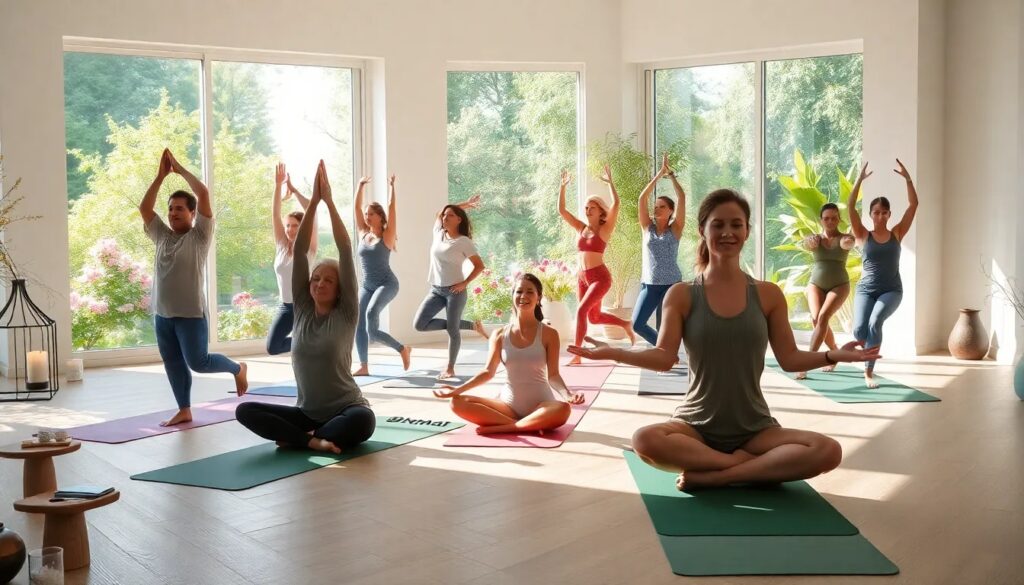
The B Mat is a natural-rubber yoga mat made by b, halfmoon, the Canadian brand that created the line and continues to sell it through the official b, halfmoon shop and authorized retailers. It built its reputation on one thing above all: grip that holds up when you sweat. This guide covers how the B Mat line is structured today, what rubber mats are genuinely good and bad at, and how to decide whether a B Mat fits your practice — without the marketing gloss.
What Is the B Mat?
Unlike brands that sell one flagship mat, the B Mat is a small family of natural-rubber mats that share the same grippy surface and differ mainly in thickness. The material gives the mat its two defining traits: a slightly tacky, high-traction surface that works wet or dry, and noticeable weight compared with foam or TPE mats. Rubber also makes the mat free of PVC, which matters to practitioners avoiding plastisol-based mats. The full line is sold by b, halfmoon under the "b, mat" name.
B Mat Thickness Options Compared
Exact model names and specs can change over time, so confirm details on the official b, halfmoon site before buying — but the line has consistently followed a three-tier logic in 2 mm, 4 mm, and 6 mm options:
| Version | Approx. thickness | Best for | Trade-off |
|---|---|---|---|
| b, mat traveller | ~2 mm | Travel, packing in a suitcase, layering over studio mats | Minimal cushioning for knees and wrists |
| the b, mat | ~4 mm | Most practitioners; vinyasa, power, hot yoga | Heavier than foam mats of the same thickness |
| b, mat strong | ~6 mm | Sensitive joints, slower floor-based practice, very sweaty sessions | Heaviest of the line; less floor feel for balancing |
The 6 mm "strong" version also uses a cell-style surface that helps move moisture away from your hands and feet, which is why it shows up often in lists of the best yoga mats for hot yoga. If you are unsure which to pick, thickness is usually the deciding factor for any mat, not just this one — our guide to yoga mat thickness breaks down what each millimeter range actually feels like in practice.
Grip: The Reason People Buy It
Most budget mats grip well only while dry; once palms sweat, hands slide in downward dog. Natural rubber behaves differently — traction tends to stay consistent or even improve slightly with a little moisture, which is why rubber mats like the B Mat are popular for heated and vigorous classes. If hot yoga is your main practice, pair the mat with a towel on heavy-sweat days and sensible clothing choices (see what to wear to hot yoga).
The Honest Downsides
- Weight. Rubber is dense. The 4 mm and 6 mm versions are noticeably heavier to carry than foam mats.
- Rubber smell. New natural-rubber mats have a distinct odor that fades over days to weeks with airing.
- Latex sensitivity. Natural rubber contains latex; anyone with a latex allergy should choose a different material.
- Sun and heat damage. Rubber degrades with prolonged UV exposure, so it is a poor choice for regular outdoor practice — a dedicated outdoor yoga mat is the better tool for that.
- Price. It sits in the mid-to-premium bracket, above commodity foam mats, though typically below alignment-marker mats like the Liforme.
Care and Lifespan
Wipe the mat down after sweaty sessions with water and a mild soap solution, let it air-dry flat or draped (never in direct sun), and store it rolled loosely. Treated this way, a quality rubber mat generally outlasts cheap foam by years; signs that any mat is done — flaking, permanent thin spots, lost traction — are covered in our guide on how often to replace a yoga mat.
Who Should Buy a B Mat — and Who Should Not
A good fit if you: practice vinyasa, power, or hot yoga regularly; sweat through ordinary mats; want a PVC-free material; and do not mind carrying extra weight.
Look elsewhere if you: have a latex allergy, need the lightest possible mat for commuting, practice mostly outdoors, or want built-in alignment guides.
Where to Buy
The B Mat is sold through the official b, halfmoon website and a range of yoga retailers, with occasional stock in studios. Prices and colorways change seasonally, so compare the official store against retailers before ordering — and check return policies, since grip preference is personal and hard to judge without practicing on the mat.
Yes — sweat-resistant grip is the main reason people choose it. Natural rubber keeps traction when damp, where many foam mats become slippery. For very heavy sweat sessions, adding a yoga towel on top is still sensible.
Like most natural-rubber mats, it has a noticeable rubber odor out of the box. Airing it unrolled in a ventilated room for several days usually reduces it substantially, and it fades further with use.
Wipe it with a soft cloth and a solution of water with a small amount of mild soap, then air-dry away from direct sunlight. Avoid harsh cleaners, alcohol-heavy sprays, and soaking, all of which can degrade rubber over time.
It is not recommended. The B Mat is made from natural rubber, which contains latex proteins. Practitioners with latex allergies should choose mats made from PVC-free synthetics such as TPE or polyurethane instead.
The roughly 4 mm everyday version suits most people and most styles. Pick the thin travel version if portability matters most, and the roughly 6 mm strong version if your knees or wrists need extra padding or you want the most sweat-resistant surface.
Have a correction? Contact us.
Recommended: