Yoga Socks: Types, Fit, and Whether You Need Them

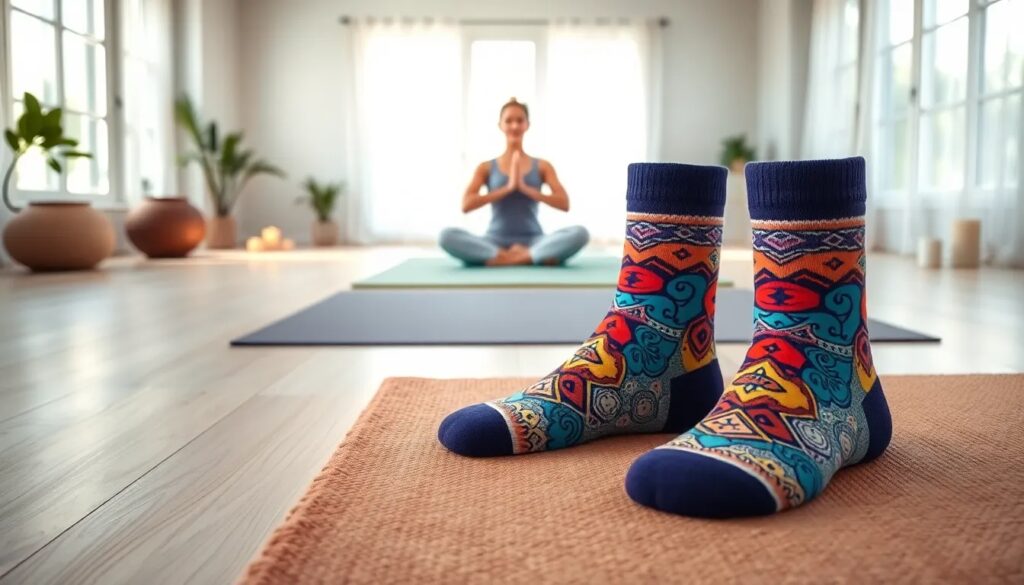
Yoga socks are socks with non-slip grips — usually silicone dots or patterns — on the sole, designed to keep your feet from sliding during practice. You do not need them to do yoga, but they solve three real problems: slipping on sweaty mats or bare floors, hygiene in shared studios, and cold feet during slow practices. Whether they are worth buying depends mostly on the style of yoga you practice and where you practice it. So are yoga socks a good idea? If any of those three problems sound familiar, yes — otherwise, bare feet work fine.
What Yoga Socks Actually Do
A standard sock is one of the worst things you can wear on a yoga mat: the fabric slides against the mat surface and your foot slides inside the sock. Yoga socks fix this with a gripped sole that bonds to the mat, plus a snugger fit so the sock moves with your foot.
In practice, they help most in three situations:
- Sweaty feet or hot rooms. If your feet slide in Downward Dog, grip socks add traction that bare skin loses when wet.
- Shared mats and studio floors. Socks put a barrier between your skin and surfaces used by many people — a common reason gym-goers and travelers wear them.
- Cold studios and slow practices. In gentle styles like restorative yoga, where you hold poses for minutes at a time, warm feet make a noticeable difference in comfort.
There is a trade-off worth knowing: part of yoga's barefoot tradition is sensory. Bare feet give you direct feedback from the mat, which helps balance. Toeless and open-top designs exist precisely to keep some of that feedback while adding grip.
Types of Yoga Socks Compared
Most yoga socks fall into four designs. The right one depends on how much grip, warmth, and toe freedom you want.
| Type | Design | Best for | Trade-off |
|---|---|---|---|
| Full-toe grip socks | Closed toe, grips on sole | Cold studios, Pilates, barre, gentle yoga | Least tactile feedback; toes can feel restricted |
| Toeless (open-toe) | Toes exposed, gripped sole under arch and ball | Balance-heavy practice, hot yoga, sweaty feet | Less warmth; toes still touch shared surfaces |
| Five-toe (toe-sock style) | Each toe in its own sleeve, full grip sole | Toe spread and stability, all-around use | Takes getting used to; slower to put on |
| Open-top / ballet style | Top of foot exposed, strap or mesh holds sock on | Breathability, a barely-there feel | Can shift on the foot in dynamic flows |
If you practice a faster style such as vinyasa yoga, prioritize a snug fit and full-coverage grip — loose socks bunch up mid-flow. For slow, floor-based practices, warmth and comfort matter more than maximum traction.
Not sure where to start? These are among the best-selling yoga grip socks for women right now, updated automatically with current ratings and availability:
As an Amazon Associate, we earn from qualifying purchases.


What to Check Before You Buy
Quality varies a lot between brands, and the differences are easy to spot if you know where to look:
- Grip coverage. Dots should cover the heel, the ball of the foot, and ideally the arch. Sparse grips on the ball only will still let your heel slide.
- Fabric blend. A cotton or bamboo blend with spandex or elastane (roughly 3–10%) holds shape and breathes. Pure cotton stretches out and stays damp.
- Snug, sized fit. One-size-fits-all socks rarely grip well. Look for sizes that match your shoe size range.
- Arch band. An elasticated band across the midfoot stops the sock rotating during lunges and twists.
- Wash durability. Silicone grips degrade in hot dryers. Check reviews for how the grips hold up; air-drying extends their life considerably.
Prices vary widely by brand and grip quality; multipacks bring the per-pair cost down and are practical since grip socks need washing after every sweaty session.
Yoga Socks for Men and Women
The functional design is identical across men's and women's lines — the differences are sizing and colorways. Men's versions run larger and tend toward neutral colors; many brands simply size unisex. If you have larger feet, check the size chart rather than the label, because an overstretched sock loses grip contact with the mat.
Looking for men's sizing specifically? Here is one of the top-rated picks:

- SILICONE GRIP, ARCH SUPPORT FOR STABILITY: Textured silicone grip dots and high-elastic rubber arch threads lock your foot in place and prevent slide-off, steady traction for recovery, seniors, and any man who needs sure footing.
- BREATHABLE COMBED COTTON, ALL-DAY FRESH: A 47% cotton / 48% polyester / 4% elastane knit keeps feet breathable and odor-free, while the reinforced toe helps keep them dry, soft comfort that lasts from morning to night.
- TRUE-TO-SIZE FIT, SIZES 6-10 AND 10-13: Multiple size options built for real men's foot sizes. Please check the size chart before ordering so you get a true, comfortable fit, not a sock that runs small.
- BUILT FOR PILATES, YOGA, BARRE & MORE: Non-slip grip soles keep your feet planted through every pose or workout, from pilates and yoga to martial arts, basketball drills, or a home recovery routine.
- DURABLE, MACHINE WASHABLE - A GIFT HE'LL ACTUALLY USE: Grip and shape hold strong wash after wash, making these a practical daily use gift, birthday, Christmas, or recovery gift for dad, husband, boyfriend, or any man on your list.
Do Yoga Socks Replace a Good Mat?
No. Grip socks compensate for a slippery mat, but they work best on top of a surface that already has decent traction. If you slide even barefoot, the mat is usually the problem — see our guide to yoga mat thickness for what affects stability, and our review of the grip-focused Liforme mat. Socks shine where you cannot control the surface: hotel rooms, gyms, studios with rental mats, or practicing outdoors in cooler weather.
FAQ
It is not recommended. Regular socks slide on the mat and your foot slides inside the sock, which makes standing and balance poses unstable and increases the risk of slipping. Practice barefoot or use grip socks instead.
Neither is better overall. Toeless socks give more tactile feedback and breathe better, which suits balance work and hot rooms. Full-toe socks are warmer and more hygienic in shared spaces. Choose based on the conditions you practice in.
Snug, with no loose fabric at the toe or heel. The grip pattern should sit flat against the sole of your foot. If the sock bunches or rotates during lunges, it is too big or lacks an arch band.
Very little in most cases — both use a gripped sole and a snug fit. Pilates socks sometimes add extra arch support for reformer work, but a well-fitted yoga grip sock works for either practice.
Wash them inside-out in cool or warm water and air-dry them. High dryer heat hardens and cracks the silicone grips over time, which is the most common reason grip socks stop working.
Have a correction? Contact us.
Last update 2026-09-10. Price and product availability may change.
Recommended: