Yoga Retreats Near Seattle: Formats, Seasons, and How to Vet One

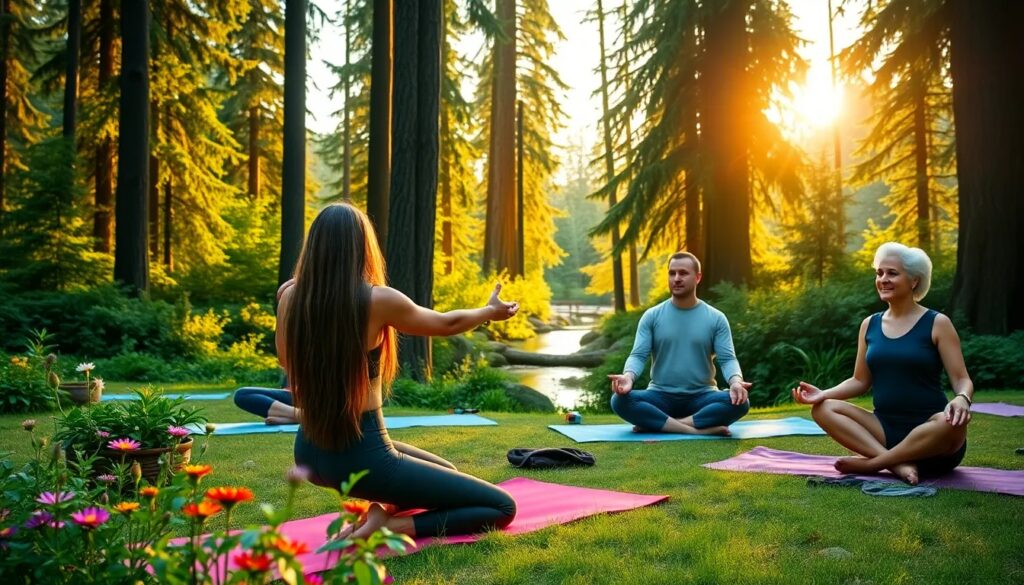
Yoga retreats around Seattle range from half-day urban resets at city studios to multi-day immersions on the Puget Sound islands and in the Cascade foothills, with most weekend programs varying widely depending on lodging, length, and whether the lead teacher travels to the venue. The Pacific Northwest setting is the real draw: within an hour or two of the city you can practice surrounded by old-growth forest, lake shores, or saltwater views, which is a different experience from a studio class no matter how good the teacher is.
This guide covers the formats you will find, the seasons that matter, a checklist for vetting a retreat before you pay, and how to choose between a silent, contemplative program and an active, outdoors-focused one, without tying you to any single venue.
The retreat formats around Seattle
Retreats in the Seattle area cluster into a few recognizable formats. Knowing which one matches what you want out of a weekend is the first filter.
- Urban day retreat: half or full day, hosted inside a Seattle studio. Usually two to three practice sessions, sometimes meditation or sound work, and you go home at the end of it. The most accessible entry point for a first-timer or anyone who cannot take time off.
- Weekend island or forest retreat: two to three nights, typically on Bainbridge, Vashon, Whidbey, or in the Cascade foothills. The standard reset weekend.
- Extended immersion: four to seven nights, often on the San Juan islands or at a dedicated retreat center. The format for deepening a practice, working through a life transition, or going deeper with one teacher.
- Donation-based or community retreat: day or weekend, often through nonprofit centers, meditation groups, or work-trade arrangements at retreat centers. Simpler amenities, much lower cost, sometimes no cost at all.
If you are not sure what actually happens at one of these, our primer on what a yoga retreat is walks through a typical day in detail.
Where retreats happen: the geography
Most overnight retreats marketed to Seattle practitioners are not in the city itself. The common settings are:
- Bainbridge and Vashon Islands: a short ferry ride, forested retreat centers, popular for weekend programs.
- Whidbey Island and the San Juans: longer to reach, quieter, favored for three-night-plus immersions. Whidbey in particular sits between the mainland and the San Juans and is a destination in its own right.
- The Cascade foothills and Snoqualmie corridor: mountain lodges and riverside venues within about an hour of the city, often combining yoga with hiking or sauna.
- The Olympic Peninsula: the most remote option, often combined with hiking or hot springs.
Urban day retreats, by contrast, run inside Seattle studios and typically combine several practice sessions with meditation, journaling, or sound work in a single day. For a broader view across the state, our yoga retreat Washington guide covers the wider scene.
Silent and meditation-focused vs active and outdoors
Most Seattle-area retreats fall along a spectrum that you can use to narrow your search quickly.
- Silent, contemplative, restorative: scheduled silence outside of practice, restorative or yin sessions, single daily schedule, vegetarian meals taken in silence. The point is nervous-system reset rather than variety. Lake- or forest-based venues tend to host these.
- Active, outdoors, social: dynamic morning practice, then hiking, kayaking, paddleboard, or sauna as the day unfolds. Conversation at meals, optional social time in the evening. The Cascade foothills and San Juan islands lean this way.
- Hybrid: morning yoga plus an afternoon of free time or a single guided activity, with silence optional rather than required. The most common format for first-time retreat-goers.
Matching the program to what you actually want out of the weekend is the single biggest predictor of a good experience. Both ends of the spectrum are legitimate; they are not interchangeable.
What a weekend retreat usually includes
- Two yoga sessions per day, commonly a dynamic morning practice and a slow evening one such as yin or restorative.
- Guided meditation or breath work.
- Vegetarian-leaning meals and shared or private lodging.
- Free time for hiking, sauna, or simply doing nothing, which is part of the point.
- Optional extras: massage, kayaking, workshops.
Always read the schedule before booking. Some retreats are practice-heavy training weekends; others are closer to a wellness holiday with two gentle classes a day. Both are legitimate, but they suit different expectations.
When to book: seasons matter here
The Pacific Northwest has a real retreat season. Late spring through early fall offers long days and reliable outdoor practice; this is also when island venues fill earliest, so book one to three months ahead. Winter retreats exist and lean into the cozy end of the spectrum: fireplaces, restorative practice, rain on the roof, often at lower prices. If your image of the retreat involves practicing outside at sunset, aim for June through September.
How to vet a Seattle-area retreat before paying
- Look up the lead teacher. Their training, teaching history, and regular classes should be easy to verify online.
- Match the style to your level. A power vinyasa weekend and a silent meditation retreat are very different purchases; check class descriptions against styles you know, like vinyasa.
- Match the venue to the focus. Forest and lake venues tend toward quiet, restorative formats; mountain lodges tend toward active, outdoors-focused weekends. The setting shapes the container.
- Clarify what is included. Lodging type, all meals, ferry or transport, and extras vary widely between venues.
- Read the cancellation policy. Small retreats often have strict no-refund windows because they pre-pay venues.
- Check independent reviews. Search the retreat name plus review rather than relying on testimonials on the organizer's site.
If you are considering going further afield
A local weekend is the cheapest way to find out whether the retreat format works for you. If it does, week-long programs abroad offer more depth for the money once flights are factored in; see our guides to international yoga retreats for how destination programs compare. And if your goal is training rather than rest, a retreat-format certification might serve you better; our overview of yoga teacher training retreats explains the difference.
Costs vary widely depending on length, lodging, and whether the lead teacher travels to the venue. Day retreats inside Seattle studios tend to be the most accessible entry point, weekend programs on the islands or in the Cascades fall in a mid-range, and week-long immersions with private rooms sit at the top. Fully free overnight retreats are rare, but donation-based day events and work-trade arrangements at retreat centers do exist.
No. Most general retreats welcome beginners and offer modifications throughout. The exceptions are retreats labeled advanced, intensive, or training-focused, so read the level guidance in the program description before booking.
Layers are the key: practice clothes, a warm sweater for evenings, rain shell, comfortable walking shoes, and a water bottle. Most venues provide mats and props, but confirm in advance. For shoulder-season retreats add warm socks for restorative sessions.
Fully free overnight retreats are rare, but donation-based day events and community retreats do appear, often through nonprofit centers and meditation groups. Volunteering or work-trade arrangements at retreat centers are another route to reduced cost.
If your goal is rest, nervous-system reset, or a contemplative practice, look for venues that lean into silence, restorative sessions, and a single daily schedule. If you want movement, scenery, and a more social container, the Cascade foothills and San Juan islands hosts typically combine yoga with hiking, kayaking, or sauna. Match the program to what you actually want out of the weekend; both formats are legitimate, but they suit very different expectations.
Have a correction? Contact us.
Recommended: