Yoga for Teens: Benefits, Best Styles, and a 15-Minute Routine

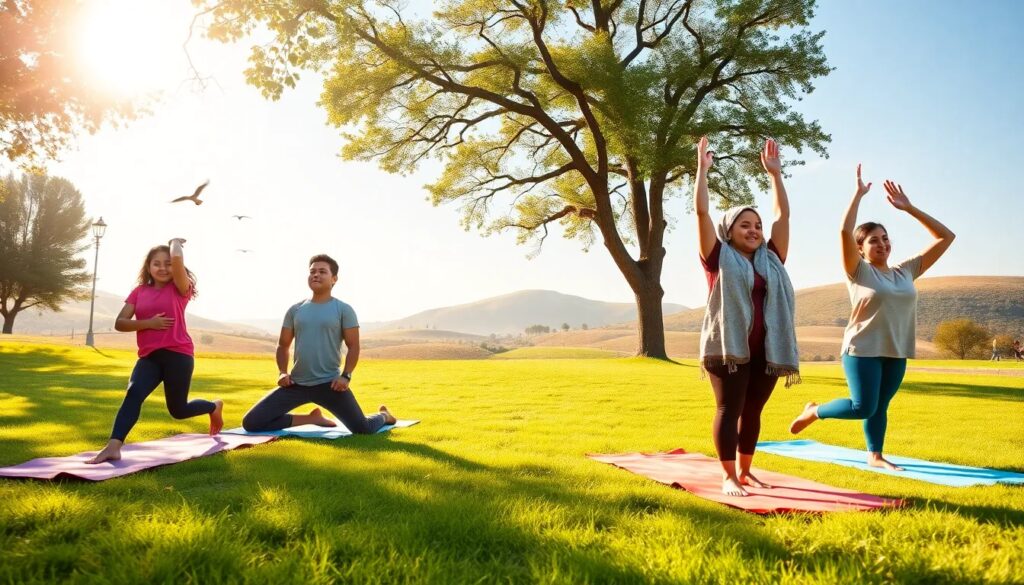
Yoga for teens is simply yoga adapted to what adolescence actually involves: academic pressure, growing bodies, sports, screens, and irregular sleep. Teenagers do not need a special kind of yoga — they need an approach that is non-competitive, realistic about time, and focused on the benefits that matter at this age: stress regulation, better sleep, posture relief from desk and phone time, and injury-resistant flexibility for sports. This guide covers what yoga can realistically do for teenagers, which styles fit which goals, a short routine to start with today, and how to find classes or free resources.
- What Are the Benefits of Yoga for Teenagers?
- Is Yoga Safe for Teenagers?
- Which Yoga Style Should a Teen Choose?
- Can Yoga Help With Teen Anxiety?
- A 15-Minute Starter Routine for Teens
- Where Can Teens Find Classes or Free Resources?
- Common Mistakes Teen Beginners Should Avoid
- Frequently Asked Questions
What Are the Benefits of Yoga for Teenagers?
Yoga is widely recommended for teenagers because the combination of slow movement, breathwork, and short periods of stillness maps directly onto the things adolescents say stress them out most: school, screens, sleep, and sport. Reviews of school-based programs generally report modest improvements in stress, anxiety symptoms, and self-regulation, alongside the well-established physical benefits of regular movement. In practical terms, teens tend to notice four things:
- A usable stress tool. Slow breathing with longer exhales calms the nervous system within minutes — something a teen can use before an exam or after an argument, no mat required. The core techniques are covered in our yoga breathing guide.
- Better sleep wind-down. A short, slow practice before bed — or a guided yoga nidra for sleep recording — helps the shift away from screens.
- Posture and back relief. Hours of sitting and looking down at phones shorten the chest and load the neck; backbends and chest openers counteract exactly that pattern.
- Sports support. Hip, hamstring, and shoulder mobility plus single-leg balance work transfers directly to soccer, running, basketball, and dance.
Public-health bodies in the United States, including the CDC, frame regular physical activity — of which yoga is one option — as one component of mental and physical health for adolescents. Nemours KidsHealth, a pediatric health system, describes yoga as something that "can improve flexibility, strength, balance, and stamina" and that "many people who practice yoga say that it reduces anxiety and stress, improves mental clarity, and even helps them sleep better." That phrasing is honest: yoga is reported to help, not guaranteed to fix.
Is Yoga Safe for Teenagers?
Yoga is generally safe for teenagers, including ages 13 and 14, when the practice is adapted to growth and the teacher expects beginners. A few realities of adolescence are worth naming up front.
- Bones, growth plates, and flexibility. During growth spurts, bones grow faster than the muscles and tendons attached to them, which can make a teen feel suddenly "tight." Forcing a stretch to match a more flexible classmate is the most common path to a strain or pulled muscle.
- Breathwork intensity. Long breath retentions, forceful breathing like Kapalabhati or Bhastrika, and inversions in hot rooms are not appropriate starting points for a beginner. Slow, nasal breathing with extended exhales is the safest default.
- Studio waivers. Under most studio policies in the U.S., minors need a guardian-signed waiver. A parent or guardian should read it, ask about instructor certification, and confirm the class is appropriate for the teen's age and experience.
- Medical conditions. If a teen has an injury, a heart condition, a recent concussion, or any chronic condition, the doctor should clear the practice first.
For younger ages, the picture is different: yoga for kids is usually play-led and shorter, and yoga for preschoolers is even more about imitation and song than about holding poses. A 16-year-old can be treated more like an adult beginner; a 9-year-old should not be.
Which Yoga Style Should a Teen Choose?
| If the goal is... | Best fit | Why |
|---|---|---|
| Stress and anxiety relief | Gentle or hatha yoga + breathwork | Slow pace makes the calming effect strongest |
| A real workout | Vinyasa or power yoga | Continuous flowing movement builds strength and stamina |
| Sleep problems | Restorative yoga or yoga nidra | Long supported holds and guided relaxation downshift the body |
| Sports flexibility | Yin or slow hatha | Longer passive holds target hips and hamstrings |
| Trying it with zero pressure | Free online videos at home | Private, free, and self-paced |
If those names are unfamiliar, start with our explainers on hatha yoga and vinyasa yoga — the two styles most beginner classes are built on. The same idea applies if a teen's main goal is strength: building core and back stability is a known benefit of regular yoga, but it is a complement to, not a replacement for, broader physical activity recommended for adolescents.
Can Yoga Help With Teen Anxiety?
Yoga is widely used as one tool among several for managing stress and anxiety in teenagers, and authoritative public-health guidance, including from the CDC, recognizes regular physical activity as a component of mental health support for adolescents. Slow breathing with extended exhales reliably produces a short-term calming effect on the nervous system, and regular practice supports better sleep, which is itself a major factor in mood regulation for teens.
It is important to be honest about what yoga can and cannot do. For day-to-day stress, exam pressure, and the usual ups and downs of adolescence, a short consistent practice is a real help. For persistent or severe anxiety — panic attacks, school refusal, ongoing sleep disruption, or symptoms that interfere with daily life — yoga should complement, not replace, support from a doctor or a mental-health professional. A short stress-relief routine a teen can do on a hard day is often what makes the difference between skipping the practice and showing up for it.
A 15-Minute Starter Routine for Teens
No equipment needed beyond a mat or carpeted floor. Move slowly and breathe through the nose throughout.
- Easy seat with slow breathing — 2 minutes. Inhale for 4 counts, exhale for 6.
- Cat-Cow — 1 minute. Arch and round the spine with the breath.
- Downward Dog — 1 minute. Bend the knees as much as needed; this is about the spine, not straight legs.
- Low lunge, both sides — 2 minutes. Opens hip flexors shortened by sitting all day.
- Cobra or Sphinx — 1 minute. Counteracts phone-hunch posture.
- Tree pose, both sides — 2 minutes. Balance work; use a wall if needed.
- Seated forward fold — 2 minutes. Hamstrings; keep knees soft.
- Legs up the wall — 3 minutes. The single best pose for unwinding before homework or bed.
- Lying rest — 1 minute. Eyes closed, normal breathing.
Done three or four times a week, this short routine builds a real habit — and five minutes of just steps 1 and 8 still counts on busy days.
Where Can Teens Find Classes or Free Resources?
Many studios, community centers, YMCAs, and school clubs run teen-specific or all-levels beginner classes; teen classes are worth seeking out because the room is non-competitive and the teacher expects beginners. Free options are genuinely good too: YouTube has well-produced beginner and teen-focused yoga channels — Yoga With Adriene is the one most beginners start with and remains a good fit at any age — and short sessions work better than ambitious hour-long ones. Search terms like "yoga for teens YouTube," "beginner yoga for teens," and "free yoga for teens" surface the most beginner-friendly channels.
Two practical notes for parents: under most studio policies in the U.S., minors need a guardian-signed waiver, and a teen who chooses their own style and schedule is far more likely to stick with it than one assigned a class. If the goal is just to start moving without a studio, a mat and a quiet corner are enough.
As an Amazon Associate, we earn from qualifying purchases.


Common Mistakes Teen Beginners Should Avoid
- Treating it as a competition. Flexibility varies enormously during growth spurts; forcing a stretch to match someone else is how injuries happen.
- Skipping rest poses. Child's Pose mid-class is a skill, not a failure.
- Only doing intense styles. If stress is the problem, a hard power class can add to the load; balance it with slow practice.
- Expecting instant results. The stress benefits show up within weeks of consistent short practice, not after one class.

- Soft Material: Backless tops for women are made of soft, breathable, lightweight and elastic fabric, relaxed fit and slouchy silhouette bring you a comfortable wearing experience in summer.
- Unique Design:The short sleeve workout tops for women features in dropped sleeves, wide neckline, ribbed wrist detail, this open back workout top featured in a slouchy design with a wrapped cutout back ,effectively dissipates body heat that’ll keep you cool through all your workouts.
- Matching: Oversized crop tops for women are very loose. They can be well matched with any clothes in your wardrobe, and perfectly matched with yoga pants, leggings, jeans, vests, jumpsuits or pleated skirts to create a sporty and fashionable style. The my time tee will be your number one choice for summer outings.
- Occasion: This shirts for teens girls allows the air to flow freely. You can wear this sports top for any activity, and it is very comfortable for exercise, gym, yoga, hiking, dancing, running errands or leisure.
- Washing Tips: Machine or hand wash. Separation washing to avoid staining clothes. Do not bleach.
Frequently Asked Questions
Yes. Yoga is widely recommended for teenagers because it combines slow movement, breathwork, and short periods of stillness, which map directly onto the things teens say stress them out most: school, screens, sleep, and sport. Reviews of school-based programs generally report modest improvements in stress, anxiety symptoms, and self-regulation, and regular practice supports flexibility, balance, and posture awareness.
It depends on the goal: gentle or hatha yoga with breathwork for stress, vinyasa or power yoga for a workout, restorative yoga or yoga nidra for sleep, and yin-style long holds for sports flexibility. Beginners do best starting slow and adding intensity later.
Three or four short sessions a week of 10 to 20 minutes builds noticeable benefits within a few weeks. Consistency matters far more than session length — five minutes of breathing and legs-up-the-wall on a busy day still counts.
Yes, when the practice is adapted to growth. During growth spurts, bones grow faster than the muscles attached to them, so forcing a stretch is the most common path to injury. Slow, nasal breathing with extended exhales is the safest starting point, intense breath retentions and inversions are not, and most U.S. studios require a guardian-signed waiver for minors.
It can help as one tool among several. Slow breathing with extended exhales reliably calms the nervous system, and regular practice supports better sleep and self-regulation. For persistent or severe anxiety, yoga should complement, not replace, support from a doctor or mental health professional.
Have a correction? Contact us.
Last update 2026-09-10. Price and product availability may change.
Recommended: