Yoga Challenge Poses by Level: Beginner to Advanced

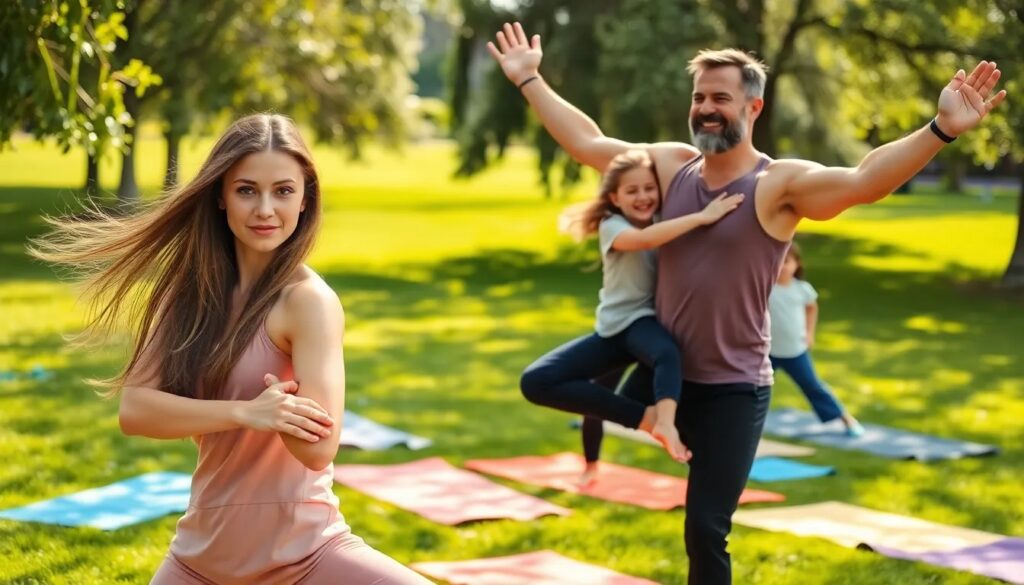
Yoga challenge poses are postures chosen specifically because they test your balance, strength, or flexibility — from beginner-friendly shapes like Tree Pose to advanced arm balances like Handstand. The trick is matching the pose to your current level: most yoga challenge injuries happen when someone attempts a pose two levels above their practice for a photo.
Below you will find the level-by-level pose list for solo practice, how to pick a challenge pose that actually photographs well, brief pointers to the partner and group versions, and the safety habits that let you push your limits without paying for it the next morning. For the full catalogue behind every name here, see our guide to yoga poses.
Yoga challenge poses by difficulty level
| Level | Solo poses | What they train |
|---|---|---|
| Beginner | Tree Pose (Vrksasana), Bridge (Setu Bandhasana), Boat (Navasana), Chair (Utkatasana), Eagle (Garudasana) | Basic balance, core engagement, leg strength |
| Intermediate | Crow (Bakasana), Side Plank (Vasisthasana), Dancer (Natarajasana), Half Moon (Ardha Chandrasana), Headstand prep at the wall | Arm-balance fundamentals, hip mobility, single-leg control |
| Advanced | Handstand (Adho Mukha Vrksasana), Forearm Stand (Pincha Mayurasana), Side Crow (Parsva Bakasana), Firefly (Tittibhasana), King Pigeon (Eka Pada Rajakapotasana) | Full-body strength, deep backbends, inversion confidence |
Tree Pose and Eagle are the easy yoga challenge poses to start a streak with; if you want context on why the advanced tier is genuinely hard — and which poses stop even experienced practitioners — our breakdown of the hardest yoga poses goes pose by pose.
Solo challenge poses for photos and reels
Most yoga challenges today are attempted alone with a phone on a timer or tripod, which changes what "a good challenge pose" means: it has to look clear from one angle and be holdable for more than the shutter. Each level has its hero pose. For beginners it is Tree Pose — instantly readable in a photo, and if a full Tree wobbles, a toe-on-the-floor kickstand version photographs almost identically. At intermediate level the hero is Crow: shot from the side at mat height it looks dramatic, and the honest alternative is a low Crow with toes still touching down, which reads the same on camera. The advanced hero is Handstand, and the sustainable version is a wall-supported hold photographed from the open side so the wall stays out of frame. Choosing the version you can breathe in beats the deeper shape you can only hold for the click — the photo cannot tell the difference, and your wrists can.
Two- and three-person poses, in brief
Partner poses add a coordination element that makes even simple shapes fun — partner forward folds, Double Tree, Double Downward Dog, and the flying acro shapes that need a spotter. We keep the full catalogue, with entry steps and safety cues for each, in our dedicated guide to yoga poses for 2, and the flying shapes proper in the acro yoga beginner guide.
With three or more people, the reliable formats are side-by-side synchronized poses, the Down Dog pyramid, and linked chains — build bottom-up, dismantle top-down, and agree on a verbal cue that means everyone comes down now. The formations, person by person, are in our guide to group yoga poses.
How to attempt challenge poses safely
- Warm up for at least 10 minutes. Sun salutations, wrist circles, and hip openers before any arm balance or deep stretch.
- Build the prerequisite first. Crow before Side Crow; consistent Headstand at the wall before Forearm Stand; a one-minute Plank before any flying partner pose.
- Use props and walls without shame. A wall behind you in Handstand and a cushion under your face in Crow remove most of the fear — and fear is what makes people bail dangerously. Strength work helps too; see our yoga for strength guide.
- Match partners by experience, not size. A skilled lighter base beats an inexperienced strong one.
- Photograph the attempt, not the maximum. Hold a version you can breathe in for five breaths rather than a deeper shape you can only hold for the shutter.
If most of the beginner list above is still new to you, spend a few weeks with our 10 beginner yoga poses first — the challenge poses will arrive much faster on that foundation.
One prop matters more than the rest for arm balances: a mat that does not slide when your full weight is on your palms.
As an Amazon Associate, we earn from qualifying purchases.

- NEW ECO FRIENDLY MATERIAL: The upgraded Gruper Yoga mat is made with premium friendly material. It costs more to make, but it is safer and more soft than traditional non-green PVC and EVA yoga mats.The exercise mats are suitable for many forms of Yoga, Pilates and fitness.
- UPGRADED ANTI-SKID DESIGN AND DOUBLE LAYER ANTI TEAR: Special sticky non slip texture on both sides , more Hard-wearing than regular yoga mats and resistant to tearing and deformation. Double layer structure coupled with a non-slip textured surface provides optimal grip without sacrificing comfort.
- TWO DIFFERENT SIZE OTPTIONAL : ①☛ Standard Size:72"(183cm) x 24" (61cm); Thickness: 0.24"(6mm); Weight: 2.6lb. ②☛ Thickened Size:72"(183cm) x 24" (61cm); Thickness: 0.32"(8mm); Weight: 3.1lb.
- CARE INSTRUCTIONS: 1.Clean with damp cloth (cold water) or mild detergent, dry flat. 2.Do not use a washing machine or dryer or exposed to the sun for extended periods of time. 3.Designed for barefoot exercise. Your shoes or your pets' paws may tear the mat.
- FREE CARRY STRAP & STORAGE BAG - No need to go buy a yoga carrying strap and bag. Easy to carry your yoga mat around with.you can carry to the gym or anywhere you want

Structuring your own 30-day solo challenge
A simple progression that works: week one, hold each beginner pose for five slow breaths daily; week two, add one intermediate pose every other day; week three, pick a single goal pose (Crow is the classic) and drill its prep daily; week four, attempt the goal pose fresh, early in the session, after warming up. Rest at least one day per week — connective tissue adapts more slowly than muscle, and wrists in particular need recovery days when you start arm balancing. More practice-building ideas live in our yoga practice and techniques hub.
Health note: this article is general information, not medical advice. Inversions and deep backbends are not appropriate for everyone — if you are pregnant or have blood pressure, glaucoma, neck, wrist, or shoulder issues, talk to a clinician or qualified teacher before attempting them.
Frequently asked questions
Crow Pose (Bakasana) is the classic first goal pose: it looks impressive, teaches the fundamentals of every arm balance, and is low to the ground so falls are harmless if you put a cushion in front of you. Tree Pose and Boat Pose are the right starting points if you are brand new.
In practice, many students working a few focused sessions per week reach their first one-second Crow within a few weeks. The limiting factors are usually fear of falling forward and core engagement rather than arm strength, which is why practicing low with a cushion speeds things up.
Yes, mainly when people skip the warm-up or attempt poses far above their level for photos. Wrists, hamstrings, and the lower back are the common casualties. Warming up, progressing one level at a time, and holding a breathable version of the pose rather than the deepest one prevents most problems.
There is no single answer, but poses like Handstand Scorpion, King Pigeon, and Firefly are the usual finalists because they demand strength, deep flexibility, and balance at the same time. Our dedicated guide to the hardest yoga poses compares the contenders in detail.
Have a correction or a question about this article? Reach us via our contact page.
Last update 2026-09-10. Price and product availability may change.
Recommended: