Why Is Goat Yoga a Thing? The Real Story Behind the Trend

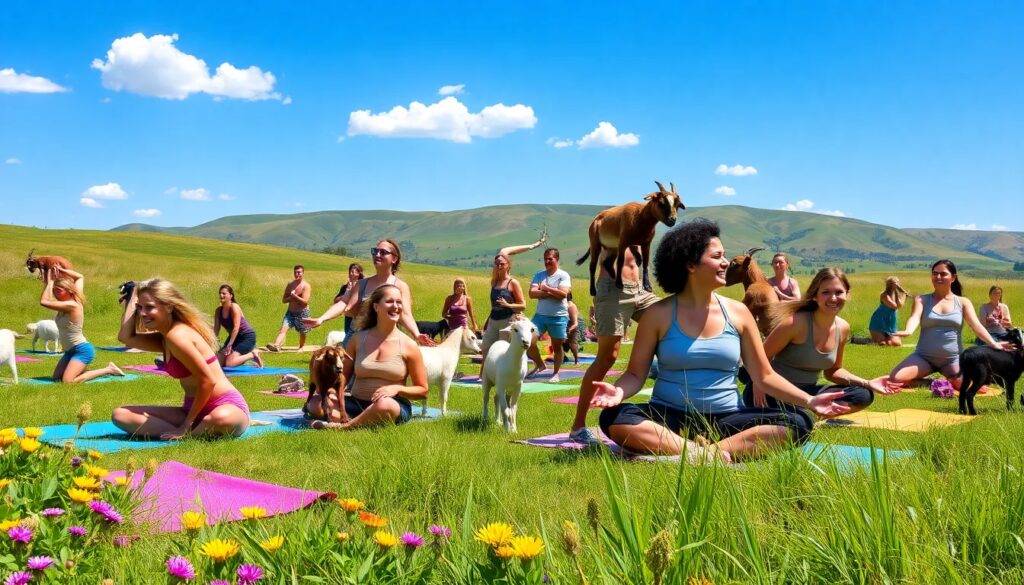
Goat yoga is a thing because of one viral idea from 2016: Lainey Morse, owner of No Regrets Farm in Oregon's Willamette Valley, let a yoga class be held among her goats — and the combination of gentle yoga, baby goats climbing on people, and irresistibly shareable photos exploded on social media. Within months, national media picked up the story and copycat classes appeared across the United States and beyond. Nearly a decade later, it persists for a simple reason: it reliably delivers what it promises — laughter, animal contact, and a low-pressure introduction to yoga.
How Goat Yoga Started
The origin story is well documented. Morse had been hosting informal "Goat Happy Hour" gatherings on her farm in Monroe, Oregon, after finding that time with her goats helped her through a difficult period of illness and divorce. In 2016, a yoga instructor visiting the farm asked if she could teach a class among the goats; Morse agreed. Photos from the early classes went viral, and the format — trademarked by Morse as Original Goat Yoga — spread to farms and studios nationwide. Today, the Original Goat Yoga brand licenses a dozen or so locations across the United States, alongside many independent operators running their own sessions.
The timing helped. By the mid-2010s, yoga was thoroughly mainstream, social media rewarded novel photogenic experiences, and animal-assisted activities were gaining attention. Goat yoga sat at the intersection of all three.
Why It Caught On (and Stayed)
- It is genuinely funny. A goat standing on your back mid-tabletop dissolves the seriousness that keeps many beginners away from studios.
- Animal contact tends to lower stress. Decades of work in animal-assisted therapy and human-animal interaction show that being around friendly, calm animals helps people relax, breathe more easily, and shift out of rumination. Goat yoga is not a clinically validated therapy, but it borrows that real effect.
- It is beginner-proof. Classes use simple, accessible poses, and nobody is grading your form while a goat chews their hair.
- It photographs perfectly. Every attendee leaves with shareable pictures, which made the trend self-marketing from day one.
- It works as a group event. Birthdays, team outings, and bachelorette parties keep bookings steady — much like the social appeal of yoga poses for groups of four.
What Actually Happens in a Goat Yoga Class
- Orientation first. A host explains how to interact with the goats — no grabbing, no feeding outside designated moments, expect nibbling and the occasional accident.
- A gentle 45–60 minute class. Expect basic poses: cat-cow, tabletop, downward dog, easy seated stretches. Tabletop positions are goat magnets — climbing is the whole show.
- Goats do whatever they want. They wander, climb, nap on mats, and photobomb. Instructors build the looseness into the class plan.
- Photo time at the end. Most venues reserve 10–15 minutes for cuddles and pictures, often with baby goats.
Wear clothes you do not mind getting dirty and use an old mat — hooves and pristine gear do not mix. Our guide on what people wear to yoga has sensible baseline advice; for goat yoga, add a layer you can wash.
Is Goat Yoga a Real Workout?
Honestly: not much of one. The poses are gentle, the interruptions are constant, and the point is joy rather than conditioning. Think of it as a wellness experience and a very pleasant hour outdoors, not a substitute for a regular practice — the same distinction we draw in Is Yoga Considered Exercise? Many studios and farms position it explicitly as a gateway: people come for the goats, discover they enjoy moving and breathing outdoors, and some graduate to conventional classes.
Criticisms and Things Worth Knowing
A balanced answer to why goat yoga is a thing should include the pushback.
Yoga traditionalists argue it trivializes a contemplative practice — a fair point if you expect meditation, irrelevant if you booked it for fun.
Animal welfare is the bigger concern, and the standards vary by venue. Reputable operators limit class sizes, rotate the goats so the same animals are not overworked, give them shade, water, and the freedom to leave, and follow sanitation rules. The question "is goat yoga ethical?" really comes down to the operator: if the goats look stressed, are crowded, cannot opt out, or are treated as props rather than participants, take your booking elsewhere. Reputable farms will happily answer questions about their animal-care routine before you book.
Hygiene is straightforward: wash your hands afterward, as you would after any petting-zoo-style contact.
For a deeper look at what participants actually get out of it, see our companion piece, What Is the Point of Goat Yoga?
Frequently Asked Questions
Lainey Morse, owner of No Regrets Farm in Monroe, Oregon, is credited with starting goat yoga in 2016 after a yoga instructor asked to teach a class among her goats. She later trademarked the name Original Goat Yoga as the concept spread.
Often, yes, especially if you take a tabletop or plank position, which presents a stable platform. Venues usually use small breeds such as Nigerian dwarf or pygmy goats, so the weight is manageable. Climbing is never guaranteed, though; goats do what they want, which is part of the charm.
Not particularly. Classes use gentle, frequently interrupted poses, so the physical workload is light. The value is in stress relief, time outdoors, laughter, and animal interaction. Treat it as a fun wellness experience rather than a training session.
It depends on the operator. Good venues limit class sizes, rotate the goats, give them shade, water, and the freedom to leave, and follow sanitation rules. If a venue seems to treat the animals as props rather than participants, take your booking elsewhere.
Have a correction? Contact us.
Recommended: