Tantra Yoga Teacher Training: Curriculum, Formats, and How to Choose a Program

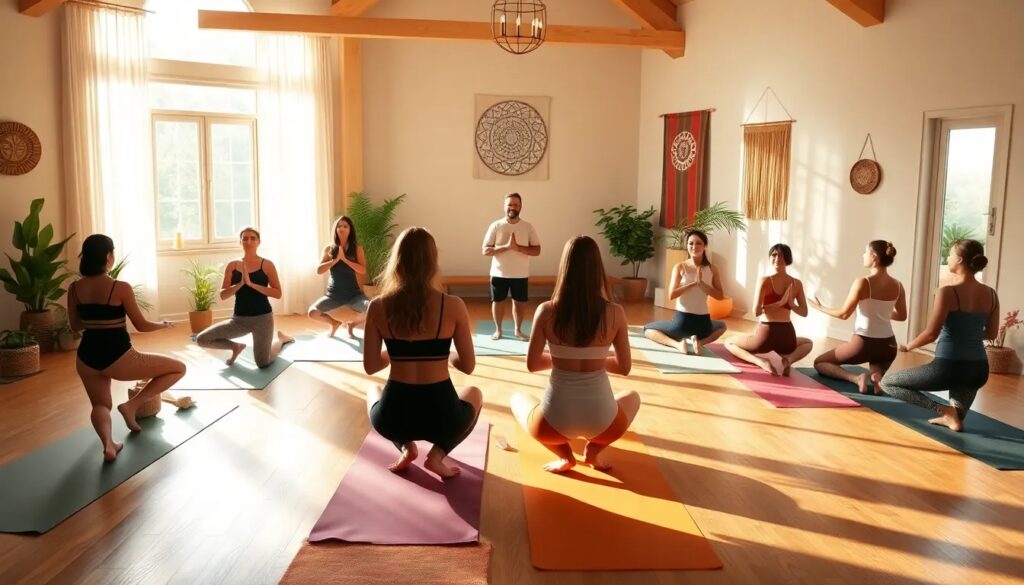
Tantra yoga teacher training prepares you to teach a style of yoga rooted in the tantric traditions of medieval India, with a curriculum built around energy practices (pranayama, bandhas, mudras), mantra and meditation, subtle body theory such as the chakra system, and tantric philosophy, alongside standard teaching methodology. The most important thing to understand before enrolling is that the word tantra covers two very different things: the classical Indian tradition and the modern Western neo-tantra movement, and the training you pick will live almost entirely in one column or the other.
This guide explains that distinction clearly, what a typical 200-hour tantra yoga teacher training includes, which formats are available, and how to vet a school so the program you sign up for matches what you actually want to study.
- Classical tantra vs neo-tantra: know what you are signing up for
- What a 200-hour tantra yoga teacher training curriculum includes
- Formats: online, in-person, and residential immersions
- How to vet a tantra yoga school: a checklist
- Is tantra yoga teacher training right for you?
- Frequently asked questions
Classical tantra vs neo-tantra: know what you are signing up for
Historically, tantra was a broad body of Indian texts and practices, developed roughly between the 6th and 12th centuries, concerned with ritual, mantra, deity visualization, and working with energy to reach liberation. Sexual practice played a marginal role in a minority of lineages, yet in the modern West the word became strongly associated with sexuality through the neo-tantra movement of the 20th century. Scholars of religion widely note this gap between the historical tradition and its popular image.
For anyone choosing a tantra yoga teacher training, the practical consequence is simple: read the curriculum carefully, because two programs with the same name can teach almost entirely different material. If you are wondering how to become a tantric teacher in a specific lineage, the first answer is always the same: identify the lineage you want to study, then look for a school that teaches it openly.
| Aspect | Classical tantra training | Neo-tantra training |
|---|---|---|
| Core focus | Mantra, meditation, ritual, subtle body, philosophy of texts and lineages | Intimacy, relationship, and embodiment work for modern audiences |
| Asana content | Present but secondary; often hatha-based | Variable; sometimes minimal |
| Typical credential | Often a Yoga Alliance RYS 200 or continuing education | Usually independent certificates outside Yoga Alliance |
| Who it suits | Practitioners and teachers drawn to the meditative and philosophical depth of yoga | Coaches and facilitators working in relationships and embodiment |
This article focuses on the first column: tantra yoga as a meditative and energetic discipline taught within yoga teacher training frameworks.
What a 200-hour tantra yoga teacher training curriculum includes
- Tantric philosophy and history. Key concepts such as Shiva-Shakti polarity, the view of the body as an instrument of practice rather than an obstacle, and how tantra differs from earlier ascetic traditions.
- Subtle body theory. Chakras, nadis, and kundalini as taught within the tradition. A good program presents these as a traditional framework for practice, not as verified anatomy.
- Energy practices. Pranayama (breath regulation), bandhas (energy locks), and mudras, with progressive instruction and safety guidance.
- Mantra and meditation. Seed mantras, japa repetition, and visualization techniques, which form the heart of daily tantric practice.
- Asana and sequencing. Usually hatha-based postures organized around the energetic intent of a class.
- Teaching methodology and ethics. Cueing, class management, scope of practice, and clear boundaries, which matter especially in a field where the subject is easily misrepresented.
There is no single standard title for a tantra teacher, and that is worth knowing up front. Programs issue certificates with labels like Certified Tantra Yoga Teacher, 200-Hour Tantric Studies Graduate, or Tantric Meditation Teacher, and the credentials are not interchangeable across schools. If you want to compare this curriculum against a conventional one, our overview of what a standard 200-hour yoga teacher training covers shows the baseline most programs share.
Formats: online, in-person, and residential immersions
Tantra yoga teacher training comes in the same shapes as other yoga teacher trainings, and the format you choose shapes the price, the schedule, and the depth of in-person practice.
- In-person 200-hour programs. Usually run as 3-6 month part-time courses on weekends, or as month-long intensives. They offer the most hands-on practice with adjustments, partner work, and live mentorship, which matters when working with subtle-body techniques.
- Online and self-paced programs. More flexible on schedule and typically the most affordable option. They rely on recorded lectures, live calls, and home practice. Tantra yoga teacher training online has grown sharply; check how much live contact time is included before you sign up.
- Residential immersions. Full-time, on-site programs lasting roughly three to four weeks, often in destinations like India, Thailand, or Bali. They offer the deepest immersion in the daily rhythm of mantra, meditation, and asana, at the cost of travel, accommodation, and time away from work.
Intensive residential programs run about a month; part-time and online formats stretch over several months to a year. If the program is registered with Yoga Alliance as an RYS 200, graduating lets you register as an RYT 200 like any other training; the process is described in our guide to Yoga Alliance RYT 200 registration. Many tantra programs instead operate outside Yoga Alliance, which is not automatically a quality problem, but you should know which kind you are buying.
How to vet a tantra yoga school: a checklist
- Request the full syllabus and check the balance between philosophy, energy practice, asana, and teaching methodology.
- Ask which texts and lineages the program draws on. Vague answers are a warning sign.
- Look up the lead teachers: how long they have studied, with whom, and how long they have taught.
- Read the school's ethics policy and code of conduct before enrolling. Reputable schools publish clear boundaries for teacher-student contact, and they will answer questions about consent and complaints directly.
- Confirm whether the certificate is a Yoga Alliance RYS credential, continuing education, or an independent certificate.
- Talk to recent graduates directly rather than relying on testimonials on the sales page.
General preparation advice for any intensive also applies here; see how to prepare for yoga teacher training.
Is tantra yoga teacher training right for you?
Choose a tantra-focused training if the meditative, ritual, and energetic dimensions of yoga interest you more than athletic asana. If your goal is to teach general studio classes, a conventional 200-hour program gives you broader employability, and you can add tantric study later as continuing education. Students mainly drawn to movement and flow may be better served starting with a vinyasa-oriented foundation; our explainer on what vinyasa yoga is describes that style.
Frequently asked questions
Mostly no. Classical tantra is a broad Indian tradition of mantra, ritual, meditation, and energy work in which sexual practice played a marginal role in a minority of lineages. The strong association with sexuality comes from the modern Western neo-tantra movement, which is a different field. Check any curriculum carefully so you know which approach a school teaches.
Only if the school is a Registered Yoga School (RYS). Some tantra programs hold RYS 200 status and qualify you for RYT 200 registration, while others issue independent certificates outside Yoga Alliance. Confirm the school's status in the Yoga Alliance directory before enrolling.
Usually not. Most 200-hour tantra programs accept committed practitioners without prior teaching credentials, though a regular meditation or asana practice helps. Advanced or 300-hour tantra modules typically do require a completed 200-hour foundation.
Costs vary widely by format, location, and school reputation. In-person residential programs are the priciest, self-paced online courses the most affordable, and travel and accommodation add a meaningful extra layer for immersions. Always check what the tuition includes and what it does not before paying a deposit.
Have a correction? Contact us.
Recommended: