Silent Yoga Retreat: What It Is, Who It Suits, and How to Prepare

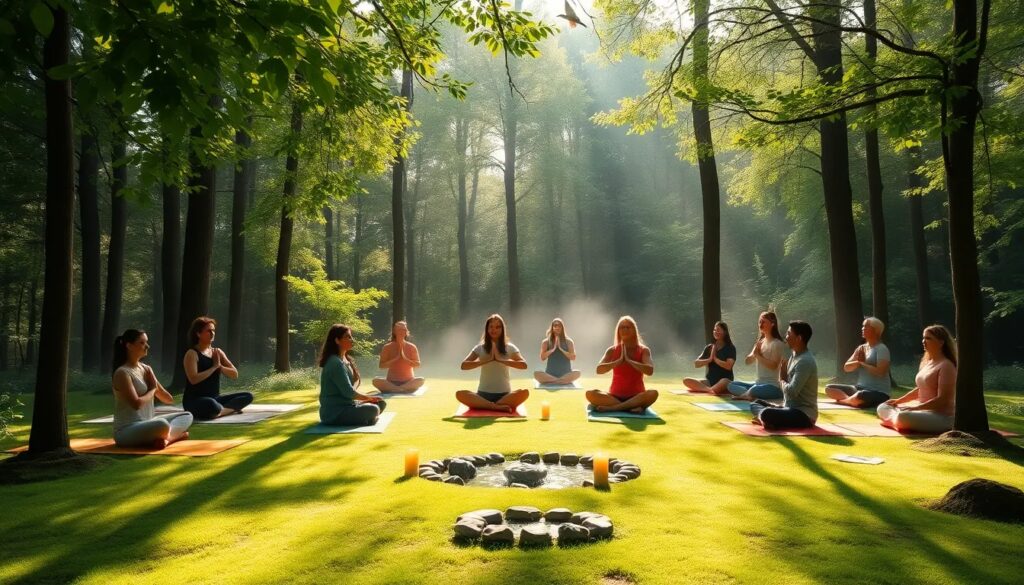
A silent yoga retreat is a residential program — usually three days to two weeks — where you practice yoga and meditation while observing silence: no talking, and typically no phones, reading, or eye contact, depending on how strict the retreat is. The silence is the method, not a gimmick: with conversation removed, attention turns inward, and most people experience a mental quieting by day two or three that is hard to reach in ordinary life.
Silent Yoga Retreat vs Silent Meditation Retreat
This distinction matters more than most first-timers realize, because the two experiences overlap but are not the same thing.
Why the distinction matters
When someone searches for a "silent retreat," the page-1 results in the US are dominated by meditation centers — Spirit Rock in California, Kripalu in Massachusetts, the Insight Meditation Society, Kadampa centers, and Vipassana courses run in the S.N. Goenka tradition. These are excellent programs, but the daily shape is sitting meditation, dharma talks, and minimal movement. A "silent yoga retreat" keeps the silence but puts asana, pranayama, and restorative practice at the center of the day.
What "yoga" means in a silent yoga retreat
Most silent yoga retreats offer one to two asana sessions a day — usually a morning practice and a slower evening practice — alongside sitting and walking meditation. Styles lean gentle: hatha, slow flow, yin, or restorative. Pranayama (breathwork) is common; more vigorous vinyasa or power-yoga formats are rare, because the goal is to settle the nervous system, not to exhaust it.
What a "silent meditation retreat" actually is
A traditional silent meditation retreat — including the well-known 10-day Vipassana courses and most programs at the centers named above — is built around extended sitting: ten or more hours of meditation per day, with very little asana. The silence is typically stricter, too: no phones, no reading, no writing, no eye contact, and a single teacher Q&A window in the evening. If you want a strong daily yoga practice with silence wrapped around it, choose a retreat run by a yoga school that adds silence, not the other way around.
What "Silence" Actually Means at These Retreats
Rules vary more than most first-timers expect, so read the retreat's guidelines before booking. The common ingredients:
- Noble silence: no speaking except during designated teacher question periods or emergencies. Teachers still talk — classes and meditation are guided aloud.
- Digital silence: phones are surrendered or locked away at nearly all retreats. This is often the harder discipline.
- Stricter variants: some retreats also discourage eye contact, journaling, reading, and writing, treating them as forms of conversation. Others explicitly encourage journaling.
- Mauna, the yogic tradition of silence: in Indian ashram contexts, the word mauna refers to a deliberate practice of silence that has been part of yogic discipline for centuries — sometimes observed in short daily windows, sometimes for the full length of a stay.
- Partial-silence formats: many yoga retreats run silence only until lunch, or for one full day mid-retreat — a gentle entry point for beginners.
Do you talk at all during a silent yoga retreat?
Usually yes, in limited windows. Most silent yoga retreats allow you to ask teachers questions at set times, speak in emergencies, and let teachers guide classes aloud throughout the day. The stricter formats — Vipassana 10-day courses, for example — keep participant speech to an absolute minimum.
A Typical Daily Schedule
Days are structured tightly, which most participants find makes the silence easier rather than harder. Many silent yoga retreats structure a day roughly like this:
- 6:00–7:00 — wake-up, optional sitting meditation
- 7:00–8:30 — morning yoga practice (often gentle hatha or slow flow)
- 8:30–9:30 — silent breakfast
- 10:00–12:00 — guided meditation, walking meditation, or a dharma or philosophy talk
- 12:00–14:00 — silent lunch and rest
- 14:00–17:00 — alternating sitting and walking meditation, or a second asana practice
- 17:00–19:00 — light dinner, free time in silence
- 19:00–20:30 — evening practice: restorative poses, yoga nidra, or a final sit
Evening sessions usually lean on slow, supported postures — if that style is new to you, our guide to restorative yoga poses shows what to expect.
Silent Retreat Formats Compared
| Format | Length | Silence level | Best for |
|---|---|---|---|
| Weekend silent yoga retreat | 2–3 days | Moderate — often silence until dinner | First-timers testing the experience |
| Week-long yoga and silence retreat | 5–7 days | Full noble silence with teacher Q&A windows | A real reset; deepening an existing practice |
| Vipassana course (10 days) | 10 days | Strict — no phones, reading, writing, or eye contact; minimal yoga | Experienced meditators; meditation is the focus, not asana |
| Ashram stay with silence periods | Flexible | Partial — silent mornings or one silent day | Travelers combining silence with study and community |
Which format is right for you?
For a first silent yoga retreat, a 2-to-3-day weekend is the gentlest on-ramp: long enough to get past the initial restlessness, short enough to stay manageable. A week-long yoga-and-silence retreat is the next step once you know how you respond. The 10-day Vipassana format is a meaningful commitment and a different kind of program — sitting-heavy, with little asana — so it's worth experiencing a shorter silent yoga retreat first.
Benefits — and the Honest Caveats
Participants commonly report lower stress, better sleep, sharper concentration, and a surprising amount of mental "processing" — old memories and unresolved feelings tend to surface when distraction is removed. Most of the support is anecdotal; a single retreat is better understood as a reset than as a permanent change.
Are silent yoga retreats worth it?
For most people, yes — especially as a way to interrupt an overstimulated routine. The "worth" is less about dramatic transformation and more about how the days after feel: a quieter baseline, a clearer head, a remembered sense that the noise was optional.
What is a silent retreat like emotionally?
The honest answer: the first 24 to 48 hours are uncomfortable for almost everyone. Restlessness, boredom, and an unusually loud inner monologue are normal and usually pass. Less commonly, intensive silence can bring up difficult emotional material. Reputable retreats screen for this and have teachers available; that availability is worth checking before you book.
How to Prepare: A Practical Checklist
- Practice mini-silences beforehand — a phone-free evening or a silent morning walk lowers the shock of day one.
- Tell people you will be unreachable and set up an emergency contact route through the retreat office.
- Pack simply: comfortable layers, a yoga mat if not provided, a meditation cushion, earplugs, and a journal if the retreat permits writing.
- Arrive rested, not straight off a red-eye — fatigue makes the adjustment harder.
- Set one loose intention, then hold it lightly; rigid expectations are the most common source of retreat frustration.
- Plan a soft landing: keep your first day back free. Re-entry into noise and notifications is genuinely jarring.
Can beginners go on a silent yoga retreat?
Yes, if you choose the right format. Look for beginner-friendly retreats with partial silence, gentle all-levels yoga, and accessible teachers. You do not need years of meditation experience, but a short retreat is a wiser first step than a 10-day intensive.
What should I pack for a silent yoga retreat?
Less than you think. Comfortable layers for cool morning sittings, a yoga mat if the retreat doesn't supply one, a meditation cushion if you have one and the retreat allows it, earplugs for shared sleeping spaces, and a journal if writing is permitted. Avoid bringing books, laptops, or anything else that recreates the input stream you're trying to step away from.
Where to Go — and How to Pick
Silent and semi-silent yoga retreats run worldwide. Picking the right one comes down to what kind of practice you want, how strict you want the silence to be, and how far you want to travel.
US centers with a yoga + silence focus
For a yoga-led silent retreat in the United States, dedicated yoga retreat centers and ashram-style venues (such as Yogaville's Integral Yoga silent retreats and similar yoga-focused centers) run programs where asana and pranayama sit alongside noble silence. Meditation-first centers like Spirit Rock and the Insight Meditation Society are excellent but lean sitting-heavy; check the schedule before booking if you want a strong daily yoga practice.
Europe and the UK
Across Europe and the UK, both yoga ashrams and meditation centers offer silent programs in English; the yoga-led options are common in Italy, Portugal, Spain, the UK, and parts of France.
India and traditional ashrams
In India, silence (mauna) has been part of yogic practice for centuries, and traditional ashrams in Rishikesh and elsewhere have built retreat structures around it. If the traditional route appeals, see our guides to a Rishikesh yoga retreat and yoga retreats in India more broadly. For a wider view of standard retreat structures — what to expect, what's included, how to read a retreat page — our overview of what a yoga retreat is is the right starting point.
Picking a retreat that matches your practice
Before you book, read the daily schedule in detail. A retreat that lists two asana sessions a day and one or two meditation blocks is a yoga-and-silence retreat. A retreat that lists ten hours of sitting and an evening dharma talk is a meditation retreat with a yoga option, not the reverse. If you have a specific style you want — restorative, yin, Iyengar, pranayama-heavy — confirm the lead teacher's training. If you're a beginner, look for "all levels" or "open to beginners" language and a partial-silence option.
A different kind of quiet
If the contemplative frame isn't quite what you're after, a yoga and writing retreat offers the same quiet structure with the journal as your outlet — silence replaced (or softened) by daily writing prompts.
Health note: Intensive silent retreats can be emotionally demanding. If you live with a mental health condition, are processing recent trauma or grief, or are under psychiatric care, talk to your healthcare provider before booking and choose a retreat with experienced teachers and clear support protocols. This article is general information, not medical advice.
FAQ
Two to three days is the sweet spot for a first retreat. It is long enough to get past the initial restlessness and feel the benefits of silence, but short enough to stay manageable. Save 10-day formats (typically Vipassana) for after you know how you respond.
Usually yes, in limited windows. Most silent yoga retreats allow you to ask teachers questions at set times, speak in emergencies, and let teachers guide classes aloud throughout the day. Stricter formats such as Vipassana courses keep participant speech to an absolute minimum.
Yes, if you choose the right format. Look for beginner-friendly retreats with partial silence, gentle all-levels yoga, and accessible teachers. You do not need years of meditation experience, but a short retreat is a wiser first step than a 10-day intensive.
Costs vary widely by provider, location, and accommodation. Donation-based meditation centers and some ashrams ask for little or only what you can afford, while dedicated yoga retreat venues charge more for room, board, and daily classes. Check each retreat's own page for current pricing, what's included, and cancellation terms.
Have a correction? Contact us.
Recommended: