Sivananda Ashram Yoga Retreat: Daily Schedule, What an Ashram Stay Is Like

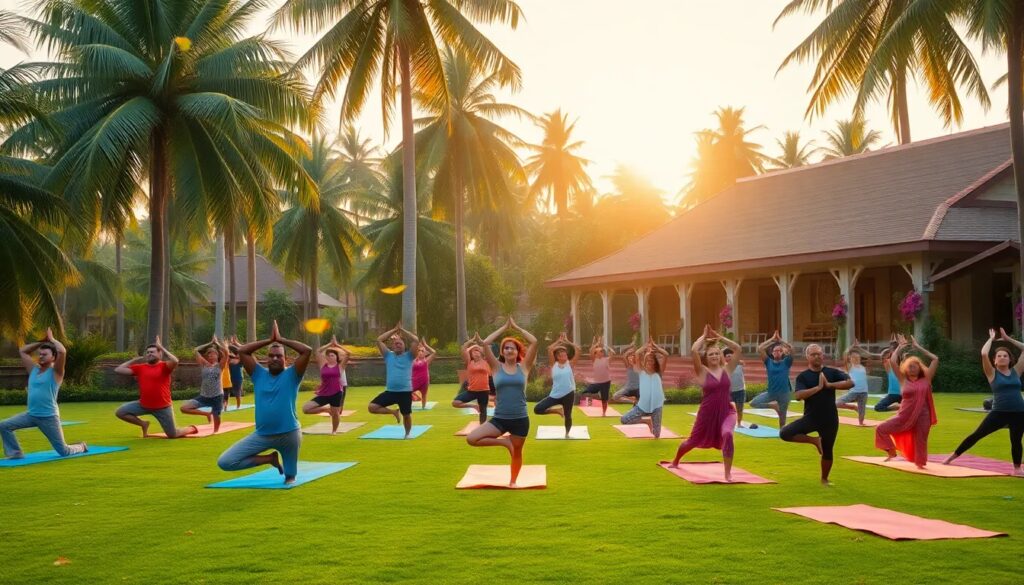
The Sivananda Ashram Yoga Retreat is a traditional yoga ashram on Paradise Island in Nassau, Bahamas — part of the international network of Sivananda Yoga Vedanta Centres. It is not a wellness resort: guests follow a structured daily schedule built around two satsangs (meditation and chanting sessions), two yoga classes, and two vegetarian meals, with participation expected rather than optional. This guide explains what an ashram stay is really like, how the Sivananda lineage shapes the experience, who it tends to suit, and how it differs from a resort-style yoga retreat.
What "Sivananda Ashram Yoga Retreat" Actually Means
The phrase covers two things at once. Sivananda refers to a classical hatha lineage that traces its roots to the Hindu / Vedanta yoga tradition and is now organized internationally through the Sivananda Yoga Vedanta Centres network. Ashram refers to the residential community format — a place where the rhythm of the day is built around practice, study, and simple living, not around leisure amenities. A yoga retreat in this sense is closer to a contemplative residency than to a spa holiday.
The Sivananda lineage in one paragraph
The Sivananda network publishes a five-point framework that summarises its approach to yogic life: proper exercise (a set sequence of basic asanas practiced in the same order each class), proper breathing (pranayama at the start of every session), proper relaxation (savasana woven between pose groups), proper diet (lacto-vegetarian meals), and positive thinking and meditation (study and daily meditation). The lineage is rooted in the broader Hindu / Vedanta yoga tradition; this article does not attempt to summarise the full history, which is well documented elsewhere.
The ashram model vs a resort retreat
The single biggest difference between an ashram stay and a resort-style yoga retreat is structure. At a resort retreat, classes and meals are usually optional and the day is yours to design. At a Sivananda ashram, the schedule is fixed: two satsangs and two yoga classes are part of the guest agreement, and attendance is expected. Alcohol, meat, fish, eggs, tobacco, and recreational drugs are not part of ashram life. If that sounds like a dealbreaker, a hotel-style retreat will be a better fit. If it sounds like exactly what you came for, read on.
A Typical Day at a Sivananda Ashram
The daily schedule published by the Sivananda Ashram Yoga Retreat Bahamas follows this rhythm. Exact timings shift slightly with season and programme, but the structure is consistent across the network:
- 05:30 — wake-up bell
- 06:00 — morning satsang: silent meditation, chanting, and a short talk
- 08:00 — morning asana and pranayama class (about two hours)
- 10:00 — vegetarian brunch
- 11:00 — karma yoga (a short period of self-less service) and free time
- 16:00 — afternoon asana class
- 18:00 — vegetarian dinner
- 20:00 — evening satsang, often with a guest speaker or concert during themed programmes
For first-timers, the two-meal rhythm is one of the bigger adjustments — there is no late lunch, but snacks and a café are usually available on site. The 05:30 wake-up is the other one. Most guests find the schedule jarring for the first two or three days and settle into it after that.
The five points of yoga in practice
You will see the five-point framework show up everywhere during a stay: in the consistent asana sequence (proper exercise), in the breathing at the start of class (proper breathing), in the savasana between pose groups (proper relaxation), at the buffet (proper diet), and during the silent half of satsang (proper thinking and meditation). The repetition is the point — progress comes from going deeper into the same practice, not from novelty.
What the Sivananda Network Looks Like
The Bahamas ashram is the most-visited Sivananda retreat, but it is one of several residential centres the network runs around the world. This matters for two reasons: first, if the Bahamas location does not suit your travel plans or budget, alternatives exist; second, the day-to-day feel is broadly comparable across the network, so the description above applies to any of them.
The Bahamas ashram
The Sivananda Ashram Yoga Retreat sits on Paradise Island in Nassau, between the harbour and a white-sand beach. It was established in 1967 by Swami Vishnudevananda, a disciple of Swami Sivananda, and is part of the International Sivananda Yoga Vedanta Centres network — according to the retreat's own site. The setting is genuinely tropical: ocean access, year-round warm weather, and a built environment closer to a simple campus than to a resort. Programmes on offer include open-ended yoga vacations, themed courses (philosophy, music, detox), and month-long residential teacher trainings. Day passes for satsangs are sometimes available for visitors who are not staying overnight.
Other Sivananda ashrams and centres
The Sivananda network runs residential ashrams in several other locations, including the Sivananda Ashram Yoga Camp in Val Morin, Quebec (Canada), the Sivananda Ashram Yoga Farm in Grass Valley, Northern California, and the Sivananda Yoga Ranch in upstate New York. The parent organisation also operates a well-known residential centre in India that runs a year-round yoga vacation programme alongside longer courses. If the Bahamas feels too far or too resort-like, the Quebec, California, and New York ashrams offer a quieter, more rural experience; the India centre offers the traditional-form setting. All follow the same five-point framework and the same daily rhythm.
Who an Ashram Retreat Suits — and Who It Doesn't
Ashram stays are a strong fit for some travellers and a poor fit for others. It helps to be honest with yourself about which one you are before booking.
Good fit: practitioners who want structure, depth, and a genuine immersion in a traditional lineage; solo travellers, because the fixed schedule creates an instant community; anyone curious whether the contemplative side of yoga is for them; beginners, because the fixed 12-pose sequence is taught at an accessible level and no prior experience with meditation or chanting is required.
Poor fit: travellers who want late sleep-ins, cocktails by the pool, optional everything, and spa pampering. For that kind of reset, a resort-style yoga retreat is a better match. Ashram-style programmes with a stronger traditional-contemplative emphasis also exist in South Asia; our guides to yoga retreats in India and to retreats in Nepal cover the alternatives if you want something closer to the tradition's roots. For a comparison of the physical practice itself, see our guide to the difference between hatha and vinyasa.
Practical Tips for a First Stay
- Book the accommodation tier honestly. Most Sivananda ashrams offer a range from tent spaces and shared dorms up to private rooms. Light sleepers should pick a quieter tier and bring earplugs regardless.
- Arrive a day rested. The 05:30 bell is real. If you can, give yourself 24 hours to decompress before the schedule starts.
- Pack modest practice clothing (covering shoulders and knees in shared spaces is the norm), a reusable water bottle, and a shawl or hoodie for early-morning meditation in an air-conditioned hall.
- Give it three days before judging. The schedule feels jarring for most first-timers. By day three, most guests settle in. By the end of the week, many describe the rhythm as the most valuable part.
- Leave buffer time on arrival and departure days. The ashram is reached by a short boat ride from Nassau, and the boat runs only for scheduled arrivals and departures — confirm your pickup time with the ashram in advance.
- Check the official site for current rates, programme dates, and full arrival logistics before booking. Pricing, travel details, and programme specifics change with season and are listed on the retreat's own pages rather than on third-party sites.
FAQ
The best-known Sivananda ashram is on Paradise Island in Nassau, Bahamas. The wider Sivananda network also runs ashrams in Quebec, Canada (the Sivananda Ashram Yoga Camp), California (the Sivananda Yoga Farm), upstate New York (the Sivananda Yoga Ranch), and India.
At Sivananda ashrams, participation in the two daily satsangs and yoga classes is part of the guest agreement. That structure is the core difference between an ashram stay and a resort-style retreat.
Rates depend on the season, accommodation tier, and whether you join a standard yoga vacation or a themed course or teacher training. The official site of the ashram lists current rates by accommodation and programme.
Yes. The fixed asana sequence is taught at an accessible level and no prior experience with meditation or chanting is required. You learn the satsang format by participating, and most ashrams run beginners sessions alongside the main classes.
Day visits to satsangs and selected activities are sometimes available at low or no cost. Residential stays (accommodation, meals, and classes) are paid, with rates that vary widely by accommodation tier and season.
Have a correction? Contact us.
Recommended: