Jade Yoga Mats: A Practical Guide to the Brand

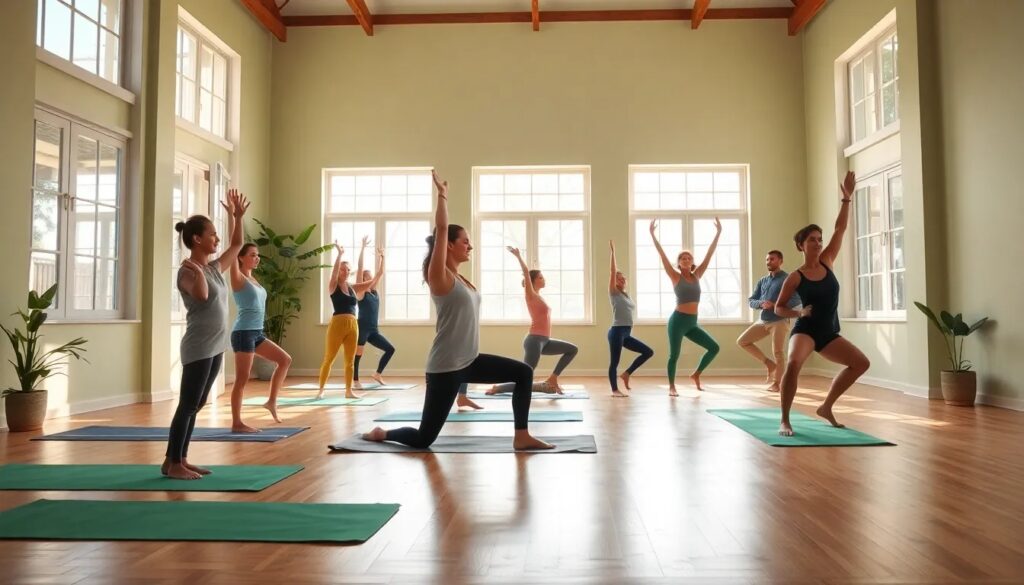
Jade Yoga is the brand most yoga teachers and longtime practitioners name when the conversation turns to grip. Its mats are made in the United States from open-cell natural rubber rather than the PVC or TPE foam found in most budget options, and that single material choice changes the on-mat feel: the surface is naturally tacky, the mat feels planted under standing poses, and the brand's tree-planting program — a partnership with Trees for the Future that has planted more than two million trees to date — is a real differentiator in a category where "eco-friendly" usually means very little. This guide covers what the Jade Yoga lineup actually offers, where those mats sit among the best non-slip yoga mats, and the trade-offs worth weighing before you buy.
- What Jade Yoga Makes and Why It Stands Out
- The Jade Yoga Lineup at a Glance
- How the Jade Lineup Compares to Other Premium Mats
- The Tree-Planting Program — What It Actually Is
- The Trade-offs You Should Know Before Buying
- How to Care for a Jade Yoga Mat
- What to Do With an Old Jade Yoga Mat
- Is a Jade Yoga Mat Right for You?
- Frequently Asked Questions
What Jade Yoga Makes and Why It Stands Out
Most mats in the entry-level and mid-range tier are made of PVC, EVA foam, or TPE. Jade Yoga's signature line is built around open-cell natural rubber, a material that behaves differently from closed-cell synthetics in three ways that matter on the mat:
- Grip. Open-cell rubber is naturally tacky and absorbs a small amount of moisture into the surface, so traction tends to hold (and even improve slightly) as hands warm up during a flow, instead of turning slippery.
- Density and stability. Rubber is heavier and denser than foam. A natural-rubber mat feels more planted under standing poses and transitions, but it also weighs more in your bag than a typical foam mat.
- Material origin. Natural rubber is tapped from rubber trees and is a renewable resource, and Jade Yoga's mats contain no PVC. Latex-sensitive buyers should know that "natural rubber" and "latex" are the same family of materials, however, and choose accordingly.
That combination of grip and stability is why natural-rubber mats like these show up so often in studio settings and teacher recommendations, especially in vinyasa and other flowing styles where hands and feet move constantly.
The Jade Yoga Lineup at a Glance
Jade Yoga sells a small core lineup that differs mainly in thickness, weight, and intended use. The table below summarizes the four models most people compare. Specific thicknesses and weights vary by length option, so treat the numbers as a general range rather than a hard spec sheet.
| Model | Thickness | Feel and weight | Best for |
|---|---|---|---|
| Voyager | 1/16" (~1.6 mm) | Folds down small, very light | Travel; layering over a studio mat |
| Travel | 1/8" (~3.2 mm) | Thin but rollable; lighter than a standard mat | Frequent commuters who still want real cushioning |
| Harmony | 3/16" (~4.8 mm) | The flagship; balanced cushion and stability | Everyday practice, most practitioners |
| Fusion | 5/16" (~8 mm) | Heavy, maximum cushioning | Sensitive joints, restorative and yin work |
If you are unsure which thickness suits your body and style, our guide to yoga mat thickness walks through the trade-offs in detail. As a rule of thumb, the Harmony is the safe default for most home practice, the Fusion is for cushioning above all else, and the Voyager only makes sense as a second, travel-specific mat. For a deeper look at the flagship model specifically, see our Jade Yoga mat review.
As an Amazon Associate, we earn from qualifying purchases.

- 【Premium Certified Materials】The pilates mat is made of SGS‑certified, eco‑friendly materials that are gentle on the environment. It offers high resilience, tear resistance, and skin‑friendly comfort, maintaining shape even after prolonged use.
- 【Dual‑Side Non‑Slip Design】The exercise mat has a matte PU top for grip even when sweaty, with breathability to wick moisture. Its color‑matched natural rubber base replaces black for a stylish look and offers strong grip on wood, tile, or concrete.
- 【Alignment Guide System】The workout mat includes innovative alignment guide lines for quick posture checks, helping correct pelvis, spine, and limb angles. Whether beginner or advanced, it boosts practice efficiency.
- 【Optimal Stability & Extra-Large Size】 The yoga mat thick has a 5mm ideal thickness that offers adequate ground feedback while providing cushioning comfort for wrists, knees, and spine. Its 72" × 24" size gives you ample room for movement.
- 【Flat Lay & Portable Companion】The gym mat lays flat without curling or wrinkling. It comes with a stylish strap and carry bag for easy portability. The elegant gift box also makes a perfect gift for anyone who loves yoga, stretching, Pilates, fitness, or home workouts.
The most common comparison shoppers make is with other natural-rubber and premium mats. Against the Liforme, which pairs a rubber base with a polyurethane top layer and printed alignment markers, the rough split is this: PU-topped surfaces grip exceptionally when wet and wipe clean easily, while bare natural rubber feels grippier when dry, sits at a noticeably lower price point, and has a more cushioned, natural texture. Against dense PVC classics, natural rubber wins on grip and material origin but loses on lifespan and low-maintenance durability.
Within the broader "highest quality yoga mat" segment, the Jade lineup sits alongside a handful of dedicated natural-rubber and PU-topped competitors. None of them is the best for everyone; the right answer depends on whether you prioritize dry grip, wet grip, longevity, weight, or material origin. For the full side-by-side, see our roundup of the best non-slip yoga mats.
The Tree-Planting Program — What It Actually Is
Jade Yoga partners with the reforestation nonprofit Trees for the Future and plants a tree for every mat sold — the brand reports more than two million trees planted to date — and it runs periodic colored-mat campaigns where part of the proceeds supports causes such as ocean conservation and autism awareness. Exact totals shift over time and are best checked on the brand's own site rather than in a third-party article, but the structure does not change: a per-sale donation tied to a specific, named nonprofit is a meaningful differentiator between two otherwise similar mats, and is a stronger signal than vague "eco-friendly" language on the box.
The Trade-offs You Should Know Before Buying
Natural rubber is not the right material for everyone. Be aware of the following before you commit:
- Latex sensitivity. Natural rubber contains latex proteins. Anyone with a latex allergy should choose a different material entirely — PVC, TPE, cork, or polyurethane are common alternatives.
- Initial smell. New rubber mats have a noticeable odor. It fades over days to weeks of airing out, but it bothers some people, and it tends to be strongest in the first few days after unboxing.
- Sunlight and heat. UV light and high heat degrade natural rubber. Do not store a rubber mat in a hot car and do not dry it in direct sun — that combination is the single fastest way to shorten its life.
- Absorbency. The open-cell surface that grips so well also soaks up sweat, so the mat needs regular cleaning and can wear faster under very sweaty practice than closed-cell mats. For heated classes, many practitioners layer a yoga mat towel on top, which is easier to wash than the mat itself.
- Weight. The Harmony and especially the Fusion are heavier than typical foam mats. Fine for home or studio storage, less fun on a long walk or bike commute to class.
Like all mats, a natural-rubber mat eventually flattens and sheds. If you are replacing an old mat and wondering about timing, see our guide on how often to replace a yoga mat.

- Premium Performance Mat for Every Practice: Built for yoga, Pilates, stretching, and fitness routines, this Gaiam Dry Grip Yoga Mat delivers lightweight stability and comfort for daily use. Suitable for yoga, meditation, floor workouts, mobility exercises, and sessions at home or the gym
- Moisture-Wicking Grip for Sweaty Sessions: Designed with a unique moisture-wicking topcoat, this non-slip Pilates mat helps wick away sweat to maintain traction and grip through every pose. Great for hot yoga, Vinyasa, Bikram, and high-intensity workouts where stability and control matter most
- Cushioned Support for Joints and Stability: The rubber exercise mat provides cushioning and support for hands, feet, knees, wrists, elbows, and spine during floor exercises and post-workout stretching. Helps improve comfort, alignment, confidence, and balance through every movement
- Lightweight and Easy to Carry: Designed for portability, this lightweight workout mat is easy to roll up and carry to yoga studios, gyms, fitness classes, home workouts, or travel workouts. The Dry-Grip surface helps reduce the need for a separate towel during hot yoga and high-sweat sessions
- Built for All Yoga Styles & Fitness Goals: Suitable for Hatha, Vinyasa, meditation, rehabilitation exercises, bodyweight training, and year-round use. Pairs well with yoga blocks, straps, towels, foam rollers, and other accessories to support flexibility, body control, and alignment

How to Care for a Jade Yoga Mat
- Wipe it down after practice with plain water or a very dilute mild soap solution; avoid harsh cleaners, alcohol, vinegar in strong concentrations, and any oil-based sprays, all of which break down rubber.
- Air dry flat or over a chair, away from direct sunlight and away from any heat source.
- Store it rolled loosely indoors at room temperature — never in a car trunk, and never folded tight for long periods.
- For heavy sweat sessions, use a towel layer and wash the towel instead of soaking the mat.
- Use a natural-rubber-specific mat wash for a deeper clean rather than a generic all-purpose spray; wipe the mat down regularly (at least weekly, more often after hot yoga or heavy sweat) rather than letting sweat and body oils sit on the surface.

- Effective Cleaning Power: Removes sweat, dirt, and everyday buildup from yoga mats, exercise mats, and fitness accessories
- Essential Oil Infusion: Infused with essential oils for a light, refreshing citrus scent after cleaning
- No Residue Formula: Leaves no sticky or slippery residue that can interfere with your practice
- Versatile Application: Suitable for yoga mats, blocks, straps, exercise mats, and workout accessories
- USDA Certified Biobased Formula: Made with renewable plant-based ingredients that are certified by the USDA
- Made in the USA: Manufactured in the USA with a focus on quality and reliable performance
What to Do With an Old Jade Yoga Mat
When the surface finally goes shiny, flakes at the edges, or no longer grips even after a clean, the mat is past its useful life on the floor. A few options, roughly in order of how much good they do:
- Donate it. Studios, shelters, community centers, and prison yoga programs often accept used mats in decent condition; ask locally before dropping one off.
- Reuse it. Cut a worn mat into kneeling pads for gardening, anti-slip shelf liners, drawer liners, or a camping seat. Natural rubber works well for all of these.
- Recycle it. Natural rubber is a biodegradable material, but municipal recycling rarely accepts yoga mats. Some specialty programs and the mat maker itself may offer a take-back option; checking the brand's current policy is the most reliable path.
- Toss it, last. If the mat is too far gone to donate or repurpose, disposing of it as general waste is the fallback. Avoid burning it: rubber releases toxic fumes.

- 【Soft & Durable Cotton Blend Strap】Made with an extra-thick cotton-polyester blend, Tumaz yoga mat strap delivers a soft natural feel with reliable durability for daily yoga classes, workouts, and outdoor activities.
- 【Adjustable Slipknot Design】The self-cinching slipknot loops adjust easily to fit most standard and oversized yoga mats, keeping your mat securely rolled without complicated buckles or hardware.
- 【Comfortable Hands-Free Carry】Designed for easy shoulder carrying, this lightweight yoga mat carrier helps reduce hand strain and makes it simple to bring your mat to studios, gyms, parks, and travel destinations.
- 【Multi-Purpose Fitness Carrier】More than a yoga accessory, this versatile strap can also carry roller skates,skateboards, and other lightweight gear for active lifestyles.
- 【Minimal Style & Multiple Colors】Featuring a soft woven texture and a variety of colors, Tumaz mat sling adds a stylish touch to your fitness routine while keeping your gear organized and easy to carry.
Is a Jade Yoga Mat Right for You?
Jade Yoga's lineup is one of the strongest answers in the "natural rubber, dry-grip, eco-minded" corner of the mat market, and the Harmony in particular is a sensible default for most home practitioners. The trade-offs are real and well-documented: weight, initial smell, latex content, and the open-cell surface that needs more care than a PVC mat. If any of those are dealbreakers for you, a closed-cell mat, a PU-topped mat, or a cork mat will serve you better. If they are not, the combination of grip, material origin, and the tree-planting program is genuinely hard to beat at this tier.
And if you are assembling more than a mat — blocks, straps, a bolster — browse our yoga equipment and resources hub for the rest of the props worth owning.


Frequently Asked Questions
They can be, with a caveat. Natural rubber grips well even with some moisture, but heavy sweat soaks into the open-cell surface, so most hot yoga practitioners layer a grippy mat towel on top and wash it after each class.
It depends on how often you practice and how you care for it, but with regular use and sensible storage (no sun, no heat, regular gentle cleaning) a natural-rubber mat typically lasts a few years before the surface wears noticeably. Daily intensive use, heat, and sunlight all shorten that.
No. Jade Yoga mats are made from natural rubber, which contains latex proteins. Anyone with a latex allergy should choose a mat made from PVC-free synthetic materials such as TPE, cork, or polyurethane instead.
The Harmony is the best starting point for most beginners: enough cushioning for comfort, enough firmness for balance poses, and the signature natural-rubber grip. Choose the Fusion only if joint sensitivity is the main concern, since its extra thickness makes balancing harder.
If it is still in decent condition, donate it to a local studio, shelter, or community program. Otherwise, cut it up for kneeling pads, shelf liners, or camping use. Natural rubber is biodegradable, but municipal recycling rarely accepts yoga mats, so check whether the maker offers a take-back program before sending it to landfill.
Have a correction? Contact us.
Last update 2026-09-10. Price and product availability may change.
Recommended: