How to Become a Yoga Instructor in Florida: Requirements, Costs, and Steps

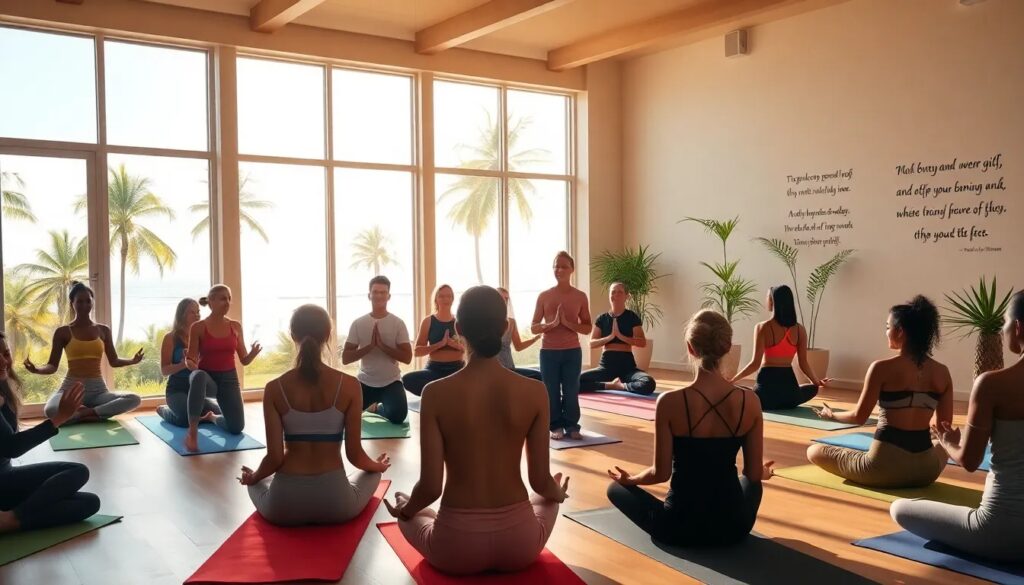
Here is the key fact up front: Florida does not license or certify yoga instructors. There is no state exam, no government registry, and no legal credential required to teach a yoga class. In practice, though, nearly every studio, gym, and resort in Florida expects a 200-hour yoga teacher training (YTT) certificate — usually one registered with Yoga Alliance — plus liability insurance and often a current CPR card. So becoming a yoga instructor in Florida means completing a recognized 200-hour training and then building real teaching experience, not navigating state bureaucracy. For the broader walkthrough of the profession itself, see our general guide on how to become a yoga instructor.
What Florida actually requires (and what it does not)
- State license: not required. Yoga teaching is an unregulated profession in Florida, as in the rest of the US.
- 200-hour YTT certificate: the de facto requirement. Employers treat it as the baseline qualification. Trainings registered with Yoga Alliance (the largest voluntary registry in the industry) are the most widely recognized.
- Yoga Alliance registration (RYT-200): optional but common. It is a directory listing, not a license. Some employers ask for it; many only ask for the training certificate.
- CPR/AED certification: frequently required by gyms and fitness chains, and inexpensive to get.
- Liability insurance: strongly recommended. Studios may cover you as an employee, but independent teachers need their own policy.
Step-by-step: from student to teaching in Florida
- Build a consistent personal practice. Most trainings expect six months to a year of regular practice before enrolling. You will get far more out of a YTT if the poses are already familiar. There is no upper age limit — practitioners in their 40s, 50s, and beyond regularly complete 200-hour programs in Florida.
- Choose a 200-hour training. Florida has a dense market: in-person programs run year-round in Miami, Tampa, Orlando, Jacksonville, and St. Petersburg, in formats from weekend-based (3–6 months) to one-month intensives. Fully online programs are also accepted by many employers, including those registered with Yoga Alliance. Check the syllabus covers anatomy, teaching methodology, philosophy, and supervised practice teaching — not just asana. Our overview of yoga teacher training explains what a solid curriculum looks like.
- Complete the training and get your certificate. This document is what employers actually ask to see.
- Decide on Yoga Alliance registration. If your training is Yoga Alliance registered, you can list as an RYT-200. Yoga Alliance charges a one-time application fee plus an annual renewal — current figures are listed on their site, and the registration is worth it if you plan to work for chains or teach internationally; skippable for some independent paths. More on what certification does and does not mean in our yoga certification guide.
- Get CPR/AED certified and insured. A standard CPR/AED course is a short session and inexpensive; yoga teacher liability insurance is a modest annual premium that varies by coverage level and provider. Treat the exact figures on provider sites rather than from memory.
- Start teaching anywhere that will have you. Community centers, donation-based classes, parks (with the relevant permit where required), gyms, and substitute slots at studios are the standard first rungs. Florida adds options most states lack: beach yoga, resort and hotel classes, and retirement communities with steady demand for gentle and chair yoga.
- Keep training. A 300-hour advanced program (toward RYT-500) or specialty certifications — prenatal, seniors, yin, accessible yoga — raise both your skill and your rates. If you are weighing Florida against other states, our guide on how to become a yoga instructor in Texas covers the same path in a neighbouring market.
What does it cost and how long does it take?
Costs and timelines for a 200-hour YTT in Florida fall into a few predictable bands, and they vary by format, location, and brand rather than by state rule.
- In-person studio-based programs sit at the upper end of the market and typically run on a 3–6 month part-time schedule, or as a one-month immersive. They include supervised practice teaching in person.
- Online or hybrid programs sit at the lower end of the market and are usually self-paced over 2–6 months, which makes them a common choice for working students. They require you to arrange your own practice-teaching opportunities.
- Yoga Alliance RYT-200 registration is an extra step on top of the training itself: a one-time application fee plus an annual renewal. The current figures live on yogaalliance.org.
- CPR/AED certification is a half-day course and inexpensive; many providers list the price up front.
- Liability insurance is a modest annual premium, with the exact figure depending on coverage level, claims history, and whether you teach full time or as a side job.
Treat these as planning ranges, not quotes. The detailed numbers for 200-hour programs specifically are tracked in our 200-hour YTT guide and in our piece on yoga teacher training cost. Beware of programs dramatically cheaper than the market that promise certification in days — employers notice, and studios discount those certificates.
In-person vs. online training: which should you pick?
In-person gives you supervised practice teaching, real-time adjustment feedback, and a local network — the single biggest asset for getting your first classes, since studios often hire from their own training cohorts. Online wins on cost and flexibility and suits self-directed learners, but you will need to create your own practice-teaching opportunities and build local connections from scratch. A reasonable middle path many Florida teachers take: an affordable online 200-hour, followed by in-person workshops and assisting at a local studio. Either way, search the Yoga Alliance directory for registered schools and verify the school's status before you pay.
What do yoga instructors earn in Florida?
Group class rates in Florida span a wide range, with big-box gyms at the lower end and established studios, corporate gigs, and private clients paying more. Income depends heavily on location (Miami and Naples rates differ from inland towns), how many weekly classes you can stack, and whether you add privates, workshops, or retreats. For a national breakdown, the US Bureau of Labor Statistics tracks fitness trainers and aerobics instructors by state, and Yoga Alliance publishes a periodic salary survey of registered teachers. Very few teachers earn a full-time living from group classes alone in their first year; most build gradually or combine teaching with other work. We break down the numbers in detail in how much yoga instructors make.
Picking a style to teach
Most 200-hour programs in Florida teach vinyasa or a vinyasa-hatha blend, which matches what studios schedule most. But demand in Florida is unusually broad: gentle, chair, and therapeutic formats are strong in retirement-heavy areas, while hot yoga and power styles dominate urban studio schedules. Knowing where you want to teach should inform which training you choose — our guide to the types of yoga can help you map the landscape before committing.
Frequently asked questions
No. Florida does not license yoga instructors and there is no state certification requirement. The practical requirement is a 200-hour teacher training certificate, which nearly all studios and gyms ask for, plus liability insurance and often CPR certification.
Most people complete a 200-hour training in 3 to 6 months part-time, or about one month in an intensive format. Add the personal practice time most schools expect beforehand, and a realistic path from committed student to first paid class is roughly 6 to 18 months.
Generally yes. Many studios and gyms accept online 200-hour certificates, especially when the program is well structured and the candidate teaches a strong audition class. Some studios still prefer in-person training, so check with the employers you are targeting before enrolling.
No. Yoga Alliance is a voluntary registry, not a licensing body. Registration as an RYT-200 helps with some employers and with teaching abroad, but plenty of working teachers in Florida hold only their training certificate and insurance.
Rarely entirely free, but costs can be cut sharply. Some studios offer work-study or scholarship spots in their trainings in exchange for front-desk hours, energy-exchange programs exist in larger cities, and budget online programs sit at the low end of the market. Be cautious with free or ultra-cheap courses that certify in a weekend — employers tend to discount them.
Have a correction? Contact us.
Recommended: