Does Yoga Help With Lymphatic Drainage?

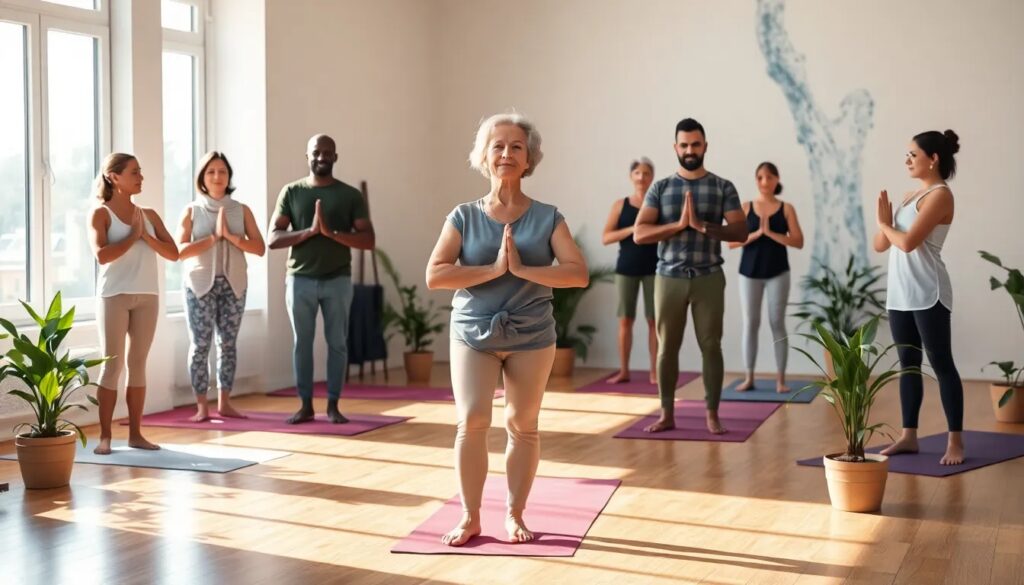
Yoga can support normal lymphatic circulation, but it is not a treatment for lymphedema or any other lymphatic condition. The lymphatic system has no central pump, so it depends on muscle contractions, breathing, and changes in body position to keep fluid moving — and yoga happens to combine all three. That makes a plausible mechanism, not a proven therapy: research specifically on yoga and lymphatic drainage is limited, and any swelling that is sudden, painful, or one-sided deserves a medical evaluation before you change your routine.
Health note: this article is general information, not medical advice. If you have lymphedema, swelling of unknown cause, or are in cancer treatment or recovery, talk to your doctor or a certified lymphedema therapist before changing your exercise routine.
How the lymphatic system moves fluid
The lymphatic system is a network of vessels and nodes that collects excess fluid from tissues, filters it, and returns it to the bloodstream. Unlike the circulatory system, it has no heart-like pump. Lymph moves through a combination of:
- Skeletal muscle contractions that squeeze lymph vessels as you move,
- One-way valves inside the vessels that keep fluid traveling in a single direction,
- Pressure changes from breathing, especially deep diaphragmatic breaths, which affect the large lymph ducts in the torso, and
- Gravity and body position — elevating the legs makes it easier for fluid to drain from the lower body.
This is why prolonged sitting tends to produce puffy ankles and why any movement — walking, swimming, or yoga — supports normal lymphatic function.
Why yoga might help: three plausible mechanisms
| Mechanism | What it does | Example in yoga |
|---|---|---|
| Rhythmic muscle movement | Compresses and releases lymph vessels | Slow flows, Cat-Cow, gentle twists |
| Diaphragmatic breathing | Creates pressure changes around the central lymph ducts | Belly breathing, extended exhales |
| Elevation and position changes | Uses gravity to assist drainage from the legs | Legs-Up-the-Wall, supported bridge |
None of these mechanisms is unique to yoga — a brisk walk also moves lymph. What yoga adds is the combination of movement, deliberate pranayama breathing, and positions you would not otherwise spend time in, all at an intensity accessible to people who cannot exercise vigorously. A gentle class is enough — you do not need a strong practice to get the effect.
What the research actually says
The evidence base is thin and worth describing accurately:
- Exercise in general is well established as safe and beneficial for people with or at risk of lymphedema — a reversal of older advice that told patients to avoid exertion.
- A handful of small pilot studies have looked at yoga specifically for breast-cancer-related lymphedema. They generally report that gentle yoga is feasible and safe under supervision and may help with range of motion and quality of life, but they are too small to show that yoga reduces swelling better than other exercise — and some found no change in limb volume.
- There is no good evidence that yoga — or any workout — detoxifies the body or flushes toxins. That framing is marketing language; normal lymphatic and organ function handles waste on its own.
So the fair summary: yoga plausibly supports normal lymphatic circulation and is a reasonable gentle-movement option, but it is a complement to — never a replacement for — medical care such as manual lymphatic drainage, compression garments, and supervised therapy.
Gentle poses commonly used for lymphatic support
- Legs-Up-the-Wall (Viparita Karani). The most accessible inversion: lie on your back with legs resting up a wall for 5–10 minutes. Our wall yoga guide covers the setup and variations.
- Supported Bridge. A yoga block under the sacrum gently elevates the pelvis while you breathe slowly.
- Cat-Cow. Rhythmic spinal movement paired with breath — a gentle full-torso pump.
- Seated or reclined twists. Easy rotation through the trunk; see our guide to seated yoga poses for accessible versions.
- Child’s Pose. Light abdominal compression with slow breathing.
- Supported Savasana with legs elevated. Full rest with the lower body raised on a bolster or cushions — a staple of restorative yoga poses.
Steeper inversions like Shoulder Stand are sometimes recommended for lymph flow, but they carry neck risks and offer no demonstrated advantage over Legs-Up-the-Wall for this purpose. Gentle wins here.
Does it help specific areas? (legs, face, neck)
The three most common follow-up questions are about body areas. Here is what the mechanisms above actually cover, and where the evidence runs out.
Legs. This is the strongest case for yoga. Gravity-driven drainage is real, and the lower body is where most people notice ordinary puffiness after long sitting or travel. Legs-Up-the-Wall and supported bridge with a block both use elevation plus slow breathing — the two mechanisms that target the legs most directly. People who stand for work, sit at a desk all day, or fly often tend to feel the difference quickly, although "feeling less puffy" is not the same as a measured change in lymph flow.
Face. The honest answer is that there is no specific evidence that general yoga practice produces measurable facial lymphatic changes. Some teachers offer dedicated "face yoga" routines that combine facial movements with breath, but those are a separate practice, not a byproduct of a regular class. If facial puffiness is a concern, the safer conversation is with a dermatologist or lymphedema therapist, not a YouTube routine.
Neck. The neck houses clusters of lymph nodes that drain the head and face, and gentle neck movements — slow rolls, side stretches, shoulder shrugs — are often included in gentle yoga and restorative classes. This is plausible from a mechanical standpoint, but again, it has not been measured in a yoga-specific study. Anyone with a known neck issue should avoid forcing range of motion and should let a teacher know.
A simple 15-minute gentle routine
- 2 minutes — seated diaphragmatic breathing (inhale 4 counts, exhale 6)
- 3 minutes — Cat-Cow, moving with the breath
- 3 minutes — supported bridge with slow breathing (block under the sacrum, see yoga blocks for choosing one)
- 2 minutes — gentle seated twist, 1 minute per side
- 5 minutes — Legs-Up-the-Wall, eyes closed, easy breath
Done a few times a week, this doubles as a stress-reduction practice — useful in its own right, since chronic stress works against recovery generally. Our yoga for stress routine expands on the calming side. Adjust the total time to how your body feels on a given day — 5 honest minutes beats 15 forced ones.
As an Amazon Associate, we earn from qualifying purchases.

- Yoga Bolster Pillow - The Gaiam yoga bolster is a soft and supportive meditation cushion for added support for the body during yoga, meditation, or general relaxation. Our pillow comes in multiple colors to match your style.
- All-Natural Filling - This pillow is filled with natural cotton batting for superior comfort and cushioning. The soft and flexible filling lets you lay against the pillow with cushioned comfort while the pillow keeps its shape.
- Handle Strap - Our yoga pillow features a built-in sturdy handle on the pillow case for hassle-free transport to easily grab the meditation cushion and go or reposition for poses or support your neck.
- Care Instructions - No need to worry about how to maintain freshness for your pillow as the cover is removable and machine washable. Easily remove to toss in the washing machine.
- Not Just for Yoga - This pillow is an ideal yoga accessory but can also be used for general support to stretch out tense muscles in your neck or prop up your legs and feet after a long day.

A standard rectangular bolster works for Legs-Up-the-Wall, supported bridge, and any restorative yoga version of Savasana — three poses from the routine above. If you travel or have limited storage, a smaller round bolster can substitute in most positions.
Who should be cautious
- Diagnosed lymphedema: work with a certified lymphedema therapist first. You may need compression garments during exercise, and progression should be gradual.
- During or after cancer treatment: get clearance from your care team and favor supervised, oncology-aware classes.
- Sudden, unexplained, or one-sided swelling: see a doctor before exercising — swelling has many possible causes and some need prompt treatment.
- Heat caution: for people with lymphedema, heat can worsen swelling, so heated classes are generally a poor fit; choose room-temperature, gentle formats.
Frequently asked questions
No. Lymphedema is a chronic medical condition managed with therapies such as manual lymphatic drainage, compression, and supervised exercise. Gentle yoga can be a safe complement under professional guidance, but it is not a treatment on its own.
Legs-Up-the-Wall is the most commonly recommended pose because it elevates the legs safely, requires no strength or flexibility, and can be held for several relaxed minutes. Pairing it with slow diaphragmatic breathing covers two drainage mechanisms at once.
There is no evidence that sweating in a heated room improves lymphatic function, and for people with lymphedema, heat can actually worsen swelling. If lymphatic support is your goal, gentle room-temperature practice is the safer choice.
Frequent gentle movement beats occasional intense sessions. A short daily routine, or 10 to 15 minutes a few times per week, fits how the lymphatic system works, since it depends on regular muscle activity and breathing rather than one-off effort.
Legs are the area where yoga has the most plausible effect, because elevation and diaphragmatic breathing both target the lower body. Legs-Up-the-Wall and supported bridge with a block are the two most commonly used poses for this. They are likely to reduce ordinary puffiness from sitting or travel, but they are not a treatment for diagnosed lymphedema.
This article is general information, not medical advice. For diagnosis or treatment of swelling or lymphatic conditions, consult a doctor or certified lymphedema therapist.
Have a correction? Contact us.
Last update 2026-09-10. Price and product availability may change.
Recommended: