Bikram Yoga Retreats: What They Are and What to Expect

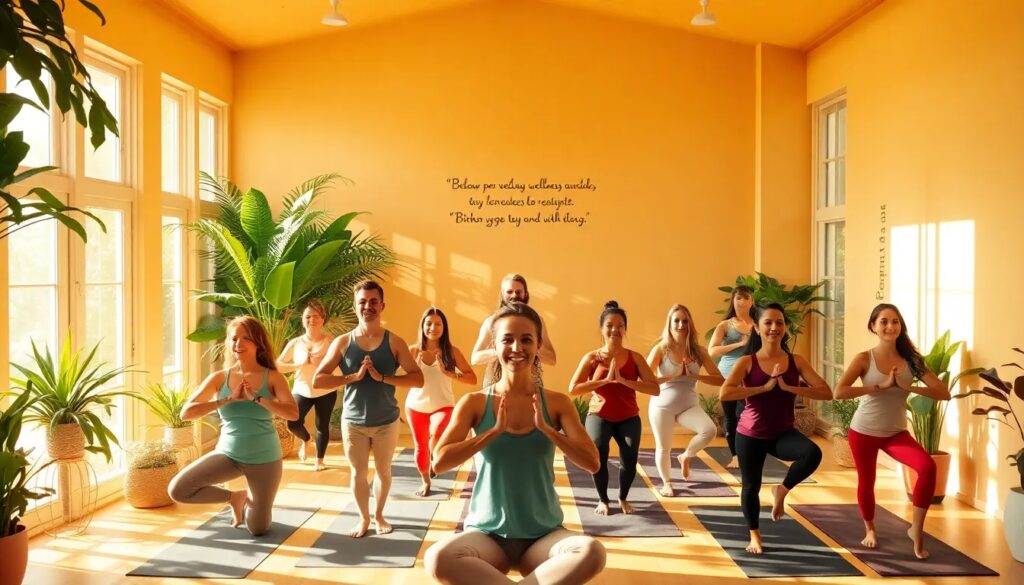
A Bikram yoga retreat is a multi-day program built around the Bikram method: a fixed sequence of 26 postures and 2 breathing exercises practiced in a room heated to roughly 105°F (40°C) with around 40 percent humidity. Retreats typically include one or two heated classes per day plus posture clinics, rest time, and meals, and they range from weekend intensives to week-long destination programs. Because the practice is physically demanding and heat exposure is cumulative, these retreats reward preparation more than almost any other retreat style.
One naming note up front: many studios and retreats now market this practice as 26 and 2 or original hot yoga rather than Bikram. The sequence is the same; the renaming reflects the serious misconduct allegations against the method's founder, Bikram Choudhury, which led much of the community to distance itself from the name while keeping the practice. You will see all three labels used for essentially the same class.
What Happens at a Bikram Yoga Retreat
Most programs follow a fairly consistent structure:
- One or two 90-minute heated classes daily, usually early morning and late afternoon
- Posture clinics: detailed workshops breaking down individual poses from the 26-posture sequence
- Recovery time: pools, cold plunges, massage, or simply rest, which matters more here than at gentler retreats
- Hydration- and electrolyte-conscious meals, often lighter before classes
- Optional complementary sessions such as meditation or a gentle unheated practice
Why many studios now call it "26 and 2" instead of Bikram
The label "Bikram" still appears on signs and websites, but a growing share of the community uses "26 and 2" or "original hot yoga" instead. The sequence, the room temperature, and the running time are unchanged. What shifted is the relationship to the name. The misconduct allegations against Bikram Choudhury, who founded the method, became widely reported in the 2010s, and many studio owners, teachers, and retreat operators chose to keep the practice while signaling distance from the founder. If you are booking a retreat and only see one of the three labels on a site, you are looking at the same class. If you specifically want the founder's branded lineage, that is a smaller subset of venues and is usually priced and marketed differently.
Bikram Retreat vs General Hot Yoga Retreat
| Aspect | Bikram / 26 and 2 retreat | General hot yoga retreat |
|---|---|---|
| Sequence | The same 26 postures and 2 breathing exercises every class | Varied heated flows, often vinyasa-based |
| Room conditions | About 105°F with controlled humidity | Typically 90 to 100°F, varies by teacher |
| Class length | Traditionally 90 minutes | Often 60 to 75 minutes |
| Teaching style | Standardized dialogue, no music, mirrors | Varies widely by teacher |
| Best for | Practitioners who want repetition and measurable progress in fixed postures | Practitioners who want heat plus variety |
If you are new to heated practice in general, our overview of hot yoga explains the differences between styles in more depth.
How to Prepare: Heat Is the Whole Game
Arriving unprepared for back-to-back heated classes is the main reason people struggle at these retreats. In the weeks before:
- Build a base. Take heated classes at home several times a week for at least a few weeks so your body has begun adapting to exercising in heat.
- Practice hydration as a habit, not a day-of fix. Hydrate consistently in the days before travel and include electrolytes, not just water.
- Test your gear. Lightweight, sweat-friendly clothing, a high-grip mat, and large towels are essential; bring more sets than you think you need.
- Plan your eating window. Most practitioners avoid full meals within two to three hours of a heated class.
- Know the signs of heat illness. Dizziness, nausea, cramps, and confusion mean stop, leave the hot room, and cool down. Retreat culture sometimes glorifies pushing through; do not.
Who Should Think Twice
Heated practice is not appropriate for everyone. People who are pregnant, have cardiovascular conditions, blood pressure issues, or conditions affected by heat, or who take medications that impair temperature regulation, should talk to a doctor before booking a retreat built on daily hot classes. Many retreats ask about health conditions at registration; answer honestly, because the heat is a real physiological stressor, not a marketing detail.
Choosing a Good Bikram or 26 and 2 Retreat
- Ask about class load. Two heated classes a day is a lot; good programs make the second class optional.
- Check teacher experience specifically with the 26 and 2 sequence, not just general yoga credentials.
- Confirm room specs. A converted space that cannot hold stable heat and humidity changes the practice entirely.
- Look at the recovery offering. Pools, shade, quiet rest space, and electrolyte availability are not luxuries at this kind of retreat.
- Compare value the standard way: nights, meals, and sessions included. Our guides to yoga retreats and retreat planning cover the questions worth asking before you book.
For broader context inside the yoga styles and lineages cluster, our pillar pages walk through how Bikram and other heated approaches fit into the wider tradition.
As an Amazon Associate, we earn from qualifying purchases.

- NEW ECO FRIENDLY MATERIAL: The upgraded Gruper Yoga mat is made with premium friendly material. It costs more to make, but it is safer and more soft than traditional non-green PVC and EVA yoga mats.The exercise mats are suitable for many forms of Yoga, Pilates and fitness.
- UPGRADED ANTI-SKID DESIGN AND DOUBLE LAYER ANTI TEAR: Special sticky non slip texture on both sides , more Hard-wearing than regular yoga mats and resistant to tearing and deformation. Double layer structure coupled with a non-slip textured surface provides optimal grip without sacrificing comfort.
- TWO DIFFERENT SIZE OTPTIONAL : ①☛ Standard Size:72"(183cm) x 24" (61cm); Thickness: 0.24"(6mm); Weight: 2.6lb. ②☛ Thickened Size:72"(183cm) x 24" (61cm); Thickness: 0.32"(8mm); Weight: 3.1lb.
- CARE INSTRUCTIONS: 1.Clean with damp cloth (cold water) or mild detergent, dry flat. 2.Do not use a washing machine or dryer or exposed to the sun for extended periods of time. 3.Designed for barefoot exercise. Your shoes or your pets' paws may tear the mat.
- FREE CARRY STRAP & STORAGE BAG - No need to go buy a yoga carrying strap and bag. Easy to carry your yoga mat around with.you can carry to the gym or anywhere you want

Bikram vs Other Retreat Styles: When a Heated Sequence Is Not for You
If after reading this a fixed, heated sequence sounds too intense, several other retreat formats cover similar ground with less cardiovascular demand. A tropical retreat typically swaps the heated room for warm-climate open-air practice, while a program centered on a flowing style like vinyasa gives you heat plus variety. For an overview of the full retreat landscape, our yoga retreat guide maps the main options.
Frequently Asked Questions
It is possible but not ideal. Most teachers recommend at least a month or two of regular heated classes first, so your body has started adapting to the heat before you practice daily.
The practice is the same: 26 postures and 2 breathing exercises in a hot room. Many studios renamed their classes 26 and 2 or original hot yoga to distance themselves from founder Bikram Choudhury after serious misconduct allegations.
The traditional standard is about 105 degrees Fahrenheit, around 40 degrees Celsius, with roughly 40 percent humidity. Some venues run slightly cooler, so ask if the exact conditions matter to you.
For healthy, heat-adapted practitioners, daily practice for a week is common, but heat stress is cumulative. Hydrate with electrolytes, treat the second daily class as optional, and stop immediately if you feel dizzy, nauseous, or confused.
This article is general information, not medical advice. Heated yoga places real demands on the cardiovascular system; if you are pregnant or have any health condition affected by heat, consult a qualified health professional before attending a hot yoga retreat.
Have a correction? Contact us.
Last update 2026-09-10. Price and product availability may change.
Recommended: