Beginner Yoga Routine: A Simple 20-Minute Sequence You Can Do at Home

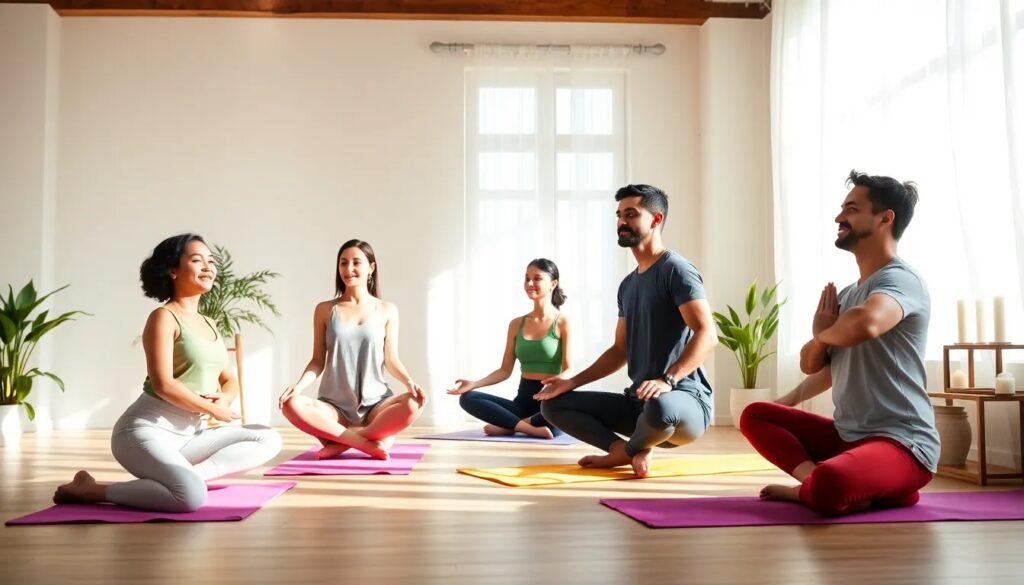
A good beginner yoga routine is a short, repeatable sequence of foundational poses — about 8 to 10 postures held for 3 to 5 breaths each — that you can do at home in 15 to 20 minutes without any experience. Below is a complete pose-by-pose routine with hold times and setup cues, a 10-minute version for rushed days, a short primer on breathing for beginners, and honest answers to the questions beginners actually ask, from how often to practice to what you genuinely need to buy (very little).
Breathe like a beginner
Before the first pose, learn the breath the routine runs on. Inhale through the nose, exhale through the nose, keep both smooth and quiet, and count silently. If you cannot sustain that breath, you have moved too far into the pose — ease off until the count returns. This single rule is the difference between a useful practice and a strain.
What yoga should a beginner start with?
Start with slow, breath-led styles built around foundational poses held for several breaths each. Hatha and beginner-oriented hatha flow are the usual starting points; vinyasa and power yoga are better saved for after a few months. The list below is a generic beginner sequence — it belongs to no single style and works on its own at home.
Optional add-on: a soft constricted breath at the back of the throat (ujjayi in its simple form) makes the breath audible and easier to count. Skip it if it feels forced; silent nasal breathing is the actual requirement.
The 20-minute beginner routine, pose by pose
Move slowly, breathe through the nose, and treat any sharp pain as a signal to back off. Hold each pose for the breaths indicated — a breath is one full inhale and exhale.
- Easy Pose with breath awareness (Sukhasana) — 8 breaths. Sit cross-legged (on a cushion if your knees sit higher than your hips). Lengthen the spine and simply count breaths to arrive.
- Cat-Cow (Marjaryasana-Bitilasana) — 8 rounds. On hands and knees, arch the back on the inhale, round it on the exhale. Wakes the whole spine.
- Downward-Facing Dog (Adho Mukha Svanasana) — 5 breaths. Tuck the toes and lift the hips up and back. Keep knees bent if hamstrings are tight — a straight spine matters more than straight legs.
- Mountain Pose (Tadasana) — 5 breaths. Walk the feet forward and stand tall, weight even across both feet. This is the alignment template for every standing pose.
- Low Lunge (Anjaneyasana) — 5 breaths per side. Step one foot back, drop that knee, and let the hips sink forward. Stretches the hip flexors that sitting shortens.
- Warrior II (Virabhadrasana II) — 5 breaths per side. Wide stance, front knee bent over the ankle, arms reaching in opposite directions. Builds leg strength and stamina.
- Tree Pose (Vrksasana) — 5 breaths per side. Press one foot into the opposite calf or inner thigh (never the knee). Touch a wall if balance is shaky.
- Bridge Pose (Setu Bandha Sarvangasana) — 5 breaths. On your back, feet hip-width, lift the hips. A gentle backbend that counters desk posture.
- Seated Forward Fold (Paschimottanasana) — 8 breaths. Hinge from the hips with a long spine; bend the knees as much as needed.
- Final rest (Savasana) — 2–3 minutes. Lie flat, let everything go. Skipping this shortchanges the routine — it is where the nervous system consolidates the calm you just built.
For more detail on each posture, our guide to 10 yoga poses for beginners breaks down setup cues and common mistakes one by one.
Only have 10 minutes?
Keep the spine and hips, drop the rest: Cat-Cow (8 rounds), Downward Dog (5 breaths), Low Lunge (4 breaths per side), Bridge (5 breaths), Savasana (90 seconds). Ten focused minutes repeated most days beats a long session done once a week — if mornings suit you, our 10-minute morning yoga routine is built around exactly this principle.
How often should a beginner practice?
Three to four short sessions per week is the sweet spot for building both flexibility and the habit itself. Daily practice is fine if the sessions stay gentle. What matters most in the first two months is frequency, not intensity or duration: flexibility adapts to regular, moderate stretching far better than to occasional heroic efforts.
Twenty minutes a day, done consistently, is a meaningful practice for an absolute beginner — it covers the warm-up, the main sequence, and the rest, without compressing any one piece.
| Goal | Suggested frequency | Session length |
|---|---|---|
| Build the habit | Daily | 10 minutes |
| General flexibility and strength | 3–4x per week | 20–30 minutes |
| Stress management | As needed + 2x per week | 15–20 minutes, slower pace |
| Build endurance | 5x per week | 30 minutes |
What do you actually need to start?
- A yoga mat — the only near-essential, for traction and joint cushioning.
- Two blocks — optional but the single most useful prop for tight hamstrings and hips; our guide on how many yoga blocks you need explains the choice.
- Comfortable stretchy clothing — anything that survives a deep squat without restricting or revealing.
- Floor space — roughly the area of your mat plus an arm span.
No special flexibility is required. Tight beginners benefit more from yoga than naturally bendy ones — the poses meet you where you are.
As an Amazon Associate, we earn from qualifying purchases.

- NEW ECO FRIENDLY MATERIAL: The upgraded Gruper Yoga mat is made with premium friendly material. It costs more to make, but it is safer and more soft than traditional non-green PVC and EVA yoga mats.The exercise mats are suitable for many forms of Yoga, Pilates and fitness.
- UPGRADED ANTI-SKID DESIGN AND DOUBLE LAYER ANTI TEAR: Special sticky non slip texture on both sides , more Hard-wearing than regular yoga mats and resistant to tearing and deformation. Double layer structure coupled with a non-slip textured surface provides optimal grip without sacrificing comfort.
- TWO DIFFERENT SIZE OTPTIONAL : ①☛ Standard Size:72"(183cm) x 24" (61cm); Thickness: 0.24"(6mm); Weight: 2.6lb. ②☛ Thickened Size:72"(183cm) x 24" (61cm); Thickness: 0.32"(8mm); Weight: 3.1lb.
- CARE INSTRUCTIONS: 1.Clean with damp cloth (cold water) or mild detergent, dry flat. 2.Do not use a washing machine or dryer or exposed to the sun for extended periods of time. 3.Designed for barefoot exercise. Your shoes or your pets' paws may tear the mat.
- FREE CARRY STRAP & STORAGE BAG - No need to go buy a yoga carrying strap and bag. Easy to carry your yoga mat around with.you can carry to the gym or anywhere you want

The mistakes that make beginners quit
- Comparing yourself to videos. Online instructors have practiced for years. Your version of the pose with bent knees and a block is the correct version for your body today.
- Holding the breath. If you cannot breathe smoothly in a pose, you have gone too deep. Ease off until the breath returns.
- Forcing flexibility. Muscles lengthen over weeks, not sessions. Sharp or joint pain is a stop signal, not a milestone.
- Practicing only when motivated. Attach the routine to an existing anchor — after the morning coffee, before the evening shower — so it survives low-motivation days.
- Skipping Savasana. The rest at the end is not optional filler; it is where much of the stress-relief benefit lands.
Where to go from here
Once this routine feels comfortable — typically after three to six weeks — you can lengthen the holds, add poses, or explore a structured class style. Our complete primer on yoga for beginners covers how to pick your first style and what to expect in a studio class. If mornings are your slot, morning yoga for beginners adapts the same idea to a wake-up routine, and if mobility or comfort on the floor is a concern, chair yoga for beginners adapts everything to seated practice.
This article is general information, not medical advice. If you are pregnant, recovering from an injury, or managing a health condition, check with a healthcare professional before starting a new exercise routine.
Frequently asked questions
Fifteen to twenty minutes is plenty. Consistency matters far more than duration: three or four short sessions a week build flexibility and habit faster than one long weekly class.
Yes, for foundational poses practiced gently. Follow clear written or video cues, move slowly, and never push into pain. A few in-person classes are still valuable at some point, because a teacher can spot alignment habits you cannot feel yourself.
Whichever time you will actually keep. Mornings suit energizing practice and habit-building because fewer things interfere; evenings suit unwinding, and the body is naturally more flexible later in the day. The best schedule is the one that survives a busy week.
Yes — inflexibility is a reason to start, not a barrier. Bend the knees generously in folds, use blocks under the hands, and shorten the holds. Range of motion improves steadily over weeks of regular practice.
Most people notice better body awareness and calmer stress responses within one to two weeks. Measurable flexibility changes usually take four to eight weeks of practicing three or more times weekly. Strength gains in poses like Warrior II and Bridge build over a similar timeframe.
Have a correction? Contact us.
Last update 2026-09-10. Price and product availability may change.
Recommended: