Art of Living Retreat Center: Programs, Stays & Planning Tips

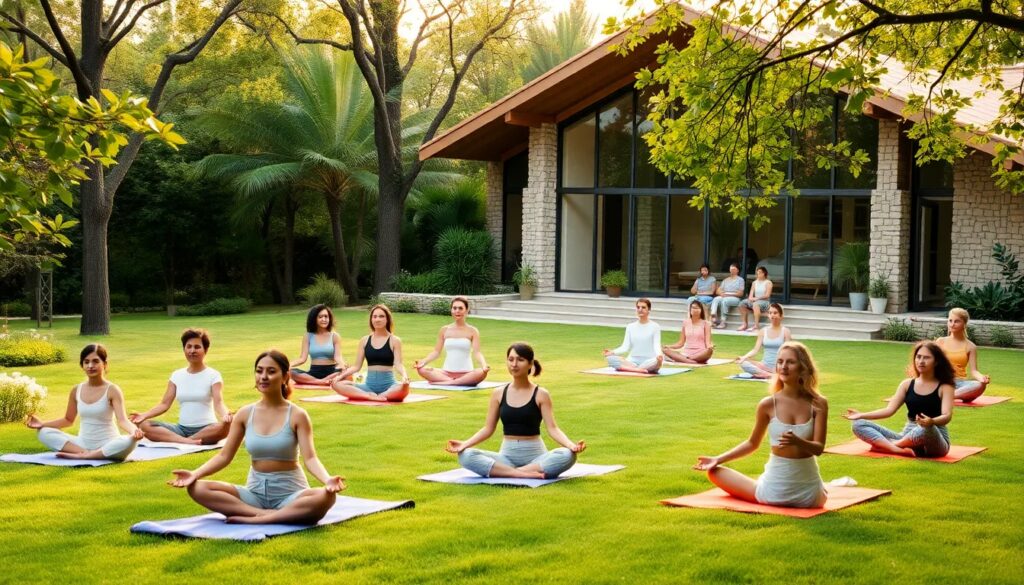
The Art of Living Retreat Center is a 380-acre residential retreat campus in Boone, North Carolina, set high in the Blue Ridge Mountains at about 3,700 feet. It is operated in connection with the Art of Living Foundation, the international nonprofit founded by Gurudev Sri Sri Ravi Shankar in 1981 and active in more than 150 countries. The campus hosts signature meditation and breathwork programs, yoga retreats, multi-day Ayurveda wellness stays, hosted workshops led by visiting teachers, and self-guided personal stays.
Guests usually come for one of two reasons: to follow a structured program in the Art of Living tradition (meditation, breathwork, kirtan) or to spend a few quiet days on a mountain campus with the option of Ayurveda treatments and yoga. This guide covers what the center is, what a stay actually looks like, and how to plan a visit without surprises. Schedules, programs, and rates change with the season, so always confirm the details on the center's official site before booking.
What is the Art of Living Retreat Center?
The campus sits on a forested mountain property in the High Country of western North Carolina and operates year-round as a residential retreat venue. Its roots are in the Art of Living teaching tradition, which emphasizes breath-based meditation, yoga, and Ayurvedic lifestyle practices. In practice, that heritage shows up in three lines of programming:
- Signature courses built around breathing and meditation techniques taught within the Art of Living tradition, including silent retreat formats.
- An Ayurveda wellness arm centered on the on-site Shankara Ayurveda Spa, offering consultations, traditional treatments such as abhyanga and shirohara, and multi-day rejuvenation programs.
- Hosted retreats and workshops led by visiting teachers across yoga, meditation, creativity, and personal development.
Meals are vegetarian, served buffet-style, and aligned with the campus's Ayurvedic orientation. The mountain setting — walking trails, communal spaces, and long views — is a large part of what guests come for.
The campus has a longer history than the Art of Living chapter. The same complex of buildings originally opened as a transcendental meditation community in 1999, was abandoned for several years, and reemerged in 2011 as the Art of Living Retreat Center (background covered in a Washington Post feature republished by the Art of Living Foundation).
Programs you can book
Offerings change season to season, but most stays fall into one of four broad categories. Knowing which one fits you makes browsing the official calendar much easier:
| Stay type | What it is | Best for |
|---|---|---|
| Signature meditation courses | Structured programs in the Art of Living tradition, often including breathwork and periods of silence | People who want a guided, immersive meditation experience |
| Ayurveda wellness programs | Multi-day packages combining consultations, spa treatments, Ayurvedic diet, and rest | Guests focused on rest, recovery, and a lifestyle reset |
| Hosted retreats and workshops | Events led by independent visiting teachers on yoga, meditation, and related themes | Practitioners following a specific teacher or topic |
| Self-guided personal retreats | Room, meals, and access to campus activities without a fixed curriculum | Anyone who wants quiet time at their own pace |
Location, getting there, and what to call it
The center's address is on Whispering Hills Road in Boone, North Carolina, in the High Country region of the Blue Ridge Mountains. The mailing city is Boone; the postal designation simply says "Boone, NC." Some readers and visitors refer to the campus as the "Art of Living Boone ashram," and the term circulates in older travel writing, but the official name used on the center's own materials and signage is Art of Living Retreat Center. If you are searching for it online, both "Art of Living Retreat Center Boone NC" and "Art of Living Boone ashram" lead to the same place.
Most guests drive. Boone is reachable by car from Charlotte and Asheville in North Carolina and from the Tri-Cities area of Tennessee, each roughly a couple of hours away depending on route and weather. The final approach is a winding mountain road, so allow extra time if you are arriving after dark or in winter conditions. There is no major commercial airport in Boone itself; flying guests typically rent a car from a regional airport. The center's own directions page also lists a shuttle option (the "Hickory Hop") running from Charlotte airport to Boone.
If you are comparing destination options, it can help to see how this center differs from other well-known venues: Wild Rice Retreat in Wisconsin leans toward art and expression, while Haramara Retreat in Mexico offers a rustic, off-grid jungle-and-ocean setting. The Art of Living Retreat Center is the most structured of the three, with a stronger emphasis on meditation technique and Ayurveda. For a wider view of residential options, see our guide to yoga retreats.
How much does a stay cost?
Pricing depends on three variables: the program you choose, the length of stay, and the room category. Accommodation ranges from shared and standard hotel-style rooms to larger private options, and program fees are usually quoted separately from or bundled with lodging depending on the offering. Ayurveda packages with daily spa treatments sit at the higher end; self-guided stays are generally the most economical way to experience the campus. Rates change with season and program, so any specific number you see on third-party sites is likely outdated. Check the center's official booking pages for the current figures, and contact the center directly if you are comparing two specific programs or room types.
Dress code and daily life
There is no formal dress code published by the center. In practice, guests wear comfortable, modest clothing suitable for yoga, meditation, and walking outdoors — loose layers for cool mountain mornings, something you can move in for breathwork, and warm options for evenings. Shoes are typically left at the door of meditation spaces. If you are coming for an Ayurveda stay, the spa will provide a robe or wrap for treatments, and most guests pack light, breathable layers for between sessions.
For self-guided guests, most days follow a simple rhythm that you can adopt or ignore as you like:
- Optional morning yoga or meditation session offered to guests.
- Vegetarian breakfast in the dining hall.
- Free time: hiking trails, reading, journaling, or a scheduled Ayurveda treatment.
- Lunch, typically the main meal of the day in Ayurvedic custom.
- Afternoon workshops or quiet time on the grounds.
- Dinner followed by an evening meditation, talk, or kirtan when scheduled.
Guests on structured courses follow the course schedule instead, which can include early starts and evening sessions. If you are new to longer practices, building a base with gentler styles beforehand — for example restorative yoga or a basic flow like vinyasa yoga — makes multi-day programs noticeably more comfortable. If you are drawn to the Ayurveda side of the campus, our overview of Ayurveda yoga retreats explains how those stays are usually structured.
As an Amazon Associate, we earn from qualifying purchases.

- Natural Cork: Elevate your yoga practice with our eco-friendly, non-slip Gaiam Cork Yoga Brick, perfect for yoga, Pilates, and more.
- Modify Your Poses: Ideal for all skill levels; shorten or deepen your stretches effortlessly. Dimensions: 9"W x 5.5"H x 3"D, lightweight at 1.5 lbs.
- Rounded Edges & Superior Grip: Designed for your comfort, the rounded edges and textured surface provide excellent grip and control during challenging poses.
- Perfect Dimensions: Measuring at 9"W x 5.5"H x 3"D, this yoga brick provides ample support for optimal alignment and posture.
- Versatile & Portable: Compact and lightweight, this cork yoga brick is your go-to fitness accessory for home or gym workouts.

Is the Art of Living Retreat Center right for you?
The center suits people who want structure, teaching, and a contemplative atmosphere more than a spa vacation. The vegetarian kitchen, scheduled programming, and meditation-first culture are features for many guests and drawbacks for others. If your ideal trip is festival-style variety with dozens of teachers and classes to sample, an event like the Telluride Yoga Festival may fit better; if you want solitude with optional structure, the self-guided stay here is a strong choice. For most visitors, the honest question is not "is this center good?" — it is well known and well reviewed — but "does this kind of program match what I am actually looking for this season?"
Frequently asked questions
It is in Boone, North Carolina, on a 380-acre mountaintop property in the Blue Ridge Mountains at about 3,700 feet elevation. Most guests arrive by car from Charlotte, Asheville, or regional airports in the area.
No. Alongside its signature meditation courses, the center offers self-guided personal retreats and hosts independent teachers, so guests of any background can book a stay without joining a specific program.
Yes. Meals at the center are vegetarian, served buffet-style, and aligned with the Ayurvedic orientation of the campus. Guests with dietary restrictions should contact the center before arrival.
Costs vary widely by program, season, length of stay, and room type. Self-guided stays are generally the most affordable option, while multi-day Ayurveda packages sit at the higher end. Check the center's official booking pages for current rates.
Have a correction? Contact us.

- NEW ECO FRIENDLY MATERIAL: The upgraded Gruper Yoga mat is made with premium friendly material. It costs more to make, but it is safer and more soft than traditional non-green PVC and EVA yoga mats.The exercise mats are suitable for many forms of Yoga, Pilates and fitness.
- UPGRADED ANTI-SKID DESIGN AND DOUBLE LAYER ANTI TEAR: Special sticky non slip texture on both sides , more Hard-wearing than regular yoga mats and resistant to tearing and deformation. Double layer structure coupled with a non-slip textured surface provides optimal grip without sacrificing comfort.
- TWO DIFFERENT SIZE OTPTIONAL : ①☛ Standard Size:72"(183cm) x 24" (61cm); Thickness: 0.24"(6mm); Weight: 2.6lb. ②☛ Thickened Size:72"(183cm) x 24" (61cm); Thickness: 0.32"(8mm); Weight: 3.1lb.
- CARE INSTRUCTIONS: 1.Clean with damp cloth (cold water) or mild detergent, dry flat. 2.Do not use a washing machine or dryer or exposed to the sun for extended periods of time. 3.Designed for barefoot exercise. Your shoes or your pets' paws may tear the mat.
- FREE CARRY STRAP & STORAGE BAG - No need to go buy a yoga carrying strap and bag. Easy to carry your yoga mat around with.you can carry to the gym or anywhere you want
Last update 2026-09-10. Price and product availability may change.
Recommended: