What Is the Goal of Yoga? A Classical and Modern Look

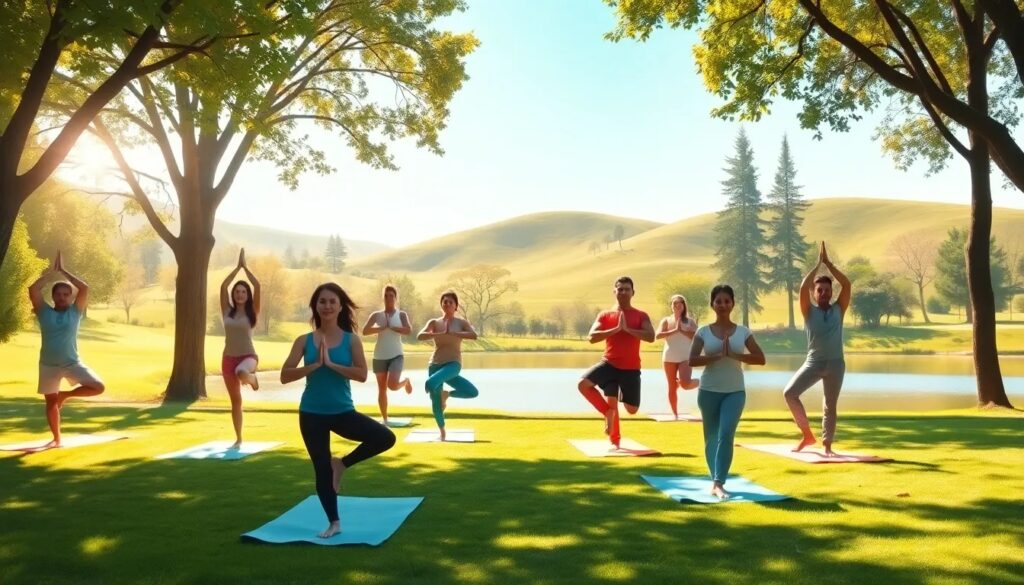
The classical goal of yoga is defined in the second verse of Patanjali's Yoga Sutras: yogas chitta vritti nirodha — yoga is the stilling of the fluctuations of the mind. In the traditional view, postures, breathing, and meditation are all means to that end: a quiet, concentrated mind capable of perceiving reality — and the self — clearly, culminating in the state called samadhi. Modern practitioners often come to yoga for flexibility, fitness, or stress relief, and those are legitimate goals too — but they are historically the side effects, not the destination.
This article looks at what the foundational texts actually say, how different yoga traditions define the goal, and how any of this applies to someone unrolling a mat today.
The classical answer: Patanjali and the Yoga Sutras
The Yoga Sutras, compiled roughly two thousand years ago, open with a famously compact definition. After announcing the teaching (the word atha, now — a single word with surprising depth, which we unpack in our article on the meaning of atha in yoga), Patanjali states that yoga is the cessation of the mind's habitual turbulence. When the mind stops churning, the text says, the seer rests in its own true nature.
The endpoint of this process is samadhi — complete meditative absorption in which the sense of a separate observing self dissolves. It is the eighth and final limb of Patanjali's system, and we cover its stages in detail in what is samadhi in yoga. Patanjali — the Indian sage traditionally credited with compiling the Sutras — is often referred to in modern writing as the "father of yoga" because of how decisively his text fixed the vocabulary of the practice.
The eight limbs: the map toward the goal
Patanjali lays out an eight-stage path (ashtanga, literally eight limbs). Notice where postures sit — third of eight:
- Yama — ethical restraints toward others: non-harm, truthfulness, non-stealing, moderation, non-grasping.
- Niyama — personal observances: cleanliness, contentment, discipline, self-study, surrender.
- Asana — posture. In the Sutras this means a steady, comfortable seat for meditation, not the hundreds of poses of a modern class.
- Pranayama — regulation of the breath.
- Pratyahara — withdrawal of the senses from external objects.
- Dharana — concentration on a single point.
- Dhyana — sustained meditation.
- Samadhi — absorption; the goal itself.
The structure makes the classical priorities clear: ethics first, body and breath as preparation, and the real work happening in attention and meditation.
How different traditions define the goal
Indian tradition recognizes several classical paths of yoga, each framing the goal slightly differently while pointing in the same general direction — liberation (moksha) from suffering and from a limited sense of self.
| Path | Primary text(s) | Method | Stated goal |
|---|---|---|---|
| Raja yoga | Yoga Sutras of Patanjali | Meditation and the eight limbs | Samadhi; the seer resting in its own nature |
| Karma yoga | Bhagavad Gita | Selfless action without attachment to results | Liberation through purification of motive |
| Bhakti yoga | Bhagavad Gita, Bhakti literature | Devotion, chanting, surrender | Union with the divine through love |
| Jnana yoga | Upanishads, Vedanta texts | Inquiry and discrimination between real and unreal | Direct knowledge of the self (atman) as Brahman |
| Hatha yoga | Hatha Yoga Pradipika (15th c.) | Postures, breath work, energetic practices | Preparing body and energy for raja yoga and samadhi |
In Hindu philosophy broadly, yoga is one of the recognized paths to moksha — release from the cycle of birth and death. The Bhagavad Gita is the text that most explicitly presents multiple yogas as valid routes suited to different temperaments; our guide to bhakti yoga explores the devotional path in depth. Notably, even the Hatha Yoga Pradipika — the source text of physical yoga — states plainly that hatha practice exists for the sake of raja yoga, the meditative goal.
Is the goal of yoga religious?
Yoga grew up inside Indian religious and philosophical traditions — Hindu, but also Buddhist and Jain, which developed their own yogic systems with parallel aims. (For the full historical picture, see is yoga Indian?.) That said, the Yoga Sutras themselves are more a psychology of attention than a creed: they describe how the mind behaves and how to train it. This is why people of many faiths, including Christians, Jews, Muslims and Buddhists, and people of none, practice yoga today without contradiction — though it is honest to acknowledge that the tradition's own stated goal, liberation, is a spiritual one.
Traditional goal vs. modern goals
Most people in a modern class are not consciously pursuing samadhi, and that is fine. Common modern goals — and how they relate to the classical one:
- Flexibility and strength. Real benefits of asana practice; classically, a healthy body was valued because discomfort distracts the mind.
- Stress relief. Arguably the closest modern goal to the original: slow breathing and focused attention quiet exactly the mental churning Patanjali described.
- Better focus and mindfulness. Dharana and dhyana in everyday clothing.
- Community and routine. Not in the Sutras, but a legitimate reason people keep practicing.
The traditional and modern goals are not rivals — they sit on one spectrum from a calmer Tuesday to self-realization. If you are new and want the practical on-ramp, our yoga for beginners guide covers styles, first poses, and what to expect. One honest downside, though, is that like any physical practice, yoga can aggravate existing injuries if done without awareness — which is precisely why the tradition opens with ahimsa (non-harm), the first of the yamas.
How to bring the deeper goal into an ordinary practice
- Treat the breath as the anchor. When attention returns to the breath, you are doing the core practice, whatever shape the body is in.
- Hold one pose with full attention rather than ten poses while distracted. Quality of attention is the metric the tradition cares about.
- Keep Savasana and a few minutes of seated stillness. Meditation is not an optional accessory to yoga; historically, the postures were the accessory.
- Apply one yama off the mat each week. Non-harm or truthfulness practiced in traffic and email is yoga in the classical sense.
In the classical tradition, the ultimate goal of yoga is to still the fluctuations of the mind so completely that the practitioner experiences their true nature — a state of liberation called samadhi or moksha.
Primarily mental and spiritual. In the foundational texts, physical postures are preparation: a stable, healthy body makes sustained meditation possible. The physical benefits modern practitioners enjoy are real but were traditionally considered means, not ends.
Yoga comes from the Sanskrit root yuj, meaning to yoke or join. It is usually interpreted as union — of body and mind, of individual self and ultimate reality — or as the disciplined harnessing of the mind, the way one yokes a horse.
Yes. Practicing for flexibility, strength, or stress relief is valid and beneficial, and requires no spiritual commitment. Many practitioners find that the attention and breath work gradually deepen into something more contemplative on its own, but nothing obliges that.
Have a correction? Contact us.
Recommended: