Yoga When Sick: When to Practice, When to Rest, and What to Do

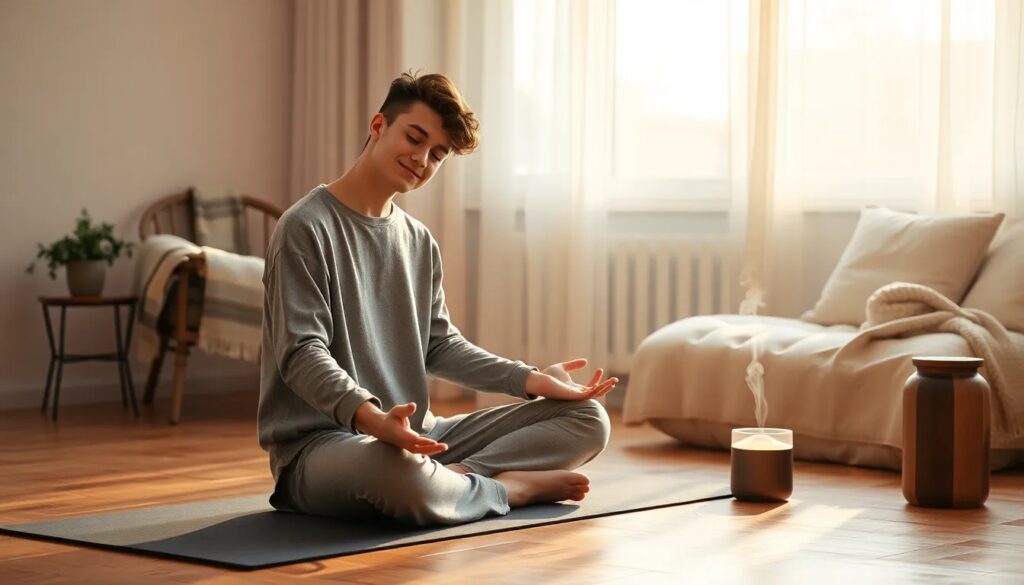
Should you do yoga when you are sick? The most practical answer is the above-the-neck rule from Mayo Clinic: if your symptoms are limited to a runny nose, mild sore throat, or sneezing, gentle yoga is usually fine and may even feel good. If you have symptoms below the neck, such as fever, body aches, chest congestion, a productive cough, or stomach upset, skip the mat and rest. The same Mayo Clinic guide is explicit that you should not exercise at all if you have a fever, fatigue, or widespread muscle aches, and Cleveland Clinic warns that adding the stress of exercise on top of a fever can quickly tip into dehydration and trouble regulating body temperature.
This guide covers how to judge whether to practice, which gentle poses tend to help with cold symptoms, what to avoid, and when to return to your normal practice. It is general information, not medical advice; if anything below feels wrong for your situation, stop and talk to a clinician.
Should You Practice? A Quick Decision Guide
| Symptoms | Practice? | What kind |
|---|---|---|
| Runny nose, sneezing, mild sore throat | Usually OK | Gentle, restorative, short (15 to 30 min) |
| Head congestion with sinus pressure | Caution | Upright poses only; skip inversions and deep forward folds |
| Fever, chills, body aches | No | Rest, fluids, sleep |
| Chest congestion, productive cough | No | Rest; gentle breathing awareness at most |
| Stomach bug, nausea, vomiting | No | Rest and rehydration |
| Tail end of a cold, mostly recovered | Yes | Slow Hatha, easy walking, light stretching |
Two more non-negotiables: skip hot yoga and any heated room while you are sick, since your body is already working to regulate temperature and any environment that adds heat and fluid loss works against recovery. And skip public classes while you are contagious, which for most colds is roughly the first few days of symptoms. Practice at home instead; the broader yoga practice techniques hub has the rest of the pacing and safety guides.
Why Gentle Yoga Can Help With a Mild Cold
Gentle movement will not cure a cold, and it is worth being honest that claims about yoga boosting the immune system are stronger in marketing than in research. What gentle yoga reliably does is make being sick more bearable:
- Eases stiffness from spending more time lying down.
- Supports relaxation and sleep, and sleep is one of the few things proven to help recovery.
- Slow nasal breathing can feel soothing when congestion is mild, and chest-opening positions make breathing feel less labored.
- Reduces stress, and chronic stress is associated with worse immune function over time.
If the idea of getting to a mat feels like too much, the same logic applies in bed: a few minutes of slow diaphragmatic breathing and gentle seated stretches, eyes closed, still counts as a practice.
Gentle Poses for Cold Symptoms
Try this short restorative sequence. Hold each position for 1 to 3 minutes, breathe slowly, and stop if anything increases sinus pressure or makes you dizzy.
- Supported Child's Pose with a pillow or bolster under the chest. Keep the head elevated if your sinuses are blocked.
- Cat-Cow, 6 to 8 slow rounds, to ease a stiff back from bed rest.
- Supported Reclined Butterfly (Supta Baddha Konasana) with cushions under the knees and upper back, opening the chest.
- Legs-Up-the-Wall (Viparita Karani), 5 minutes. Mild, restful, and requires no effort. Skip it if it increases head pressure.
- Easy Seated Twist, gentle, both sides.
- Savasana with the head and chest slightly elevated on a pillow, which often makes breathing easier than lying flat.
Props make all of these more comfortable; a couple of firm cushions work, and our guide to yoga props covers bolsters, blocks, and blankets in more depth. For a few specific supported shapes, see yoga block stretches.
What to Avoid When Practicing Sick
- Hot yoga and heated rooms: as Cleveland Clinic puts it, exercising with a fever is dangerous because it adds dehydration and temperature-management stress on top of an already-taxed body. A hot room with no fever is still extra fluid loss you do not need.
- Vigorous flows such as fast-paced Vinyasa or power yoga, which tax a body that needs its energy for recovery.
- Full inversions (headstand, shoulderstand) and long-held deep forward folds, which increase pressure in congested sinuses.
- Forceful breathwork such as Kapalabhati or breath retention. Stick to slow, easy nasal breathing.
- Pushing through. If you feel worse ten minutes in, stop. That is information, not failure.
Returning to Practice After Illness
Rebuild gradually rather than jumping back to your previous level. A reasonable rule of thumb: wait until you have been fever-free without medication for at least 24 to 48 hours and your energy is returning, then start at roughly half your usual intensity and add intensity only when a session leaves you feeling better, not drained. For every few days fully sick, give yourself a similar number of easy days on the way back. After a significant respiratory illness, fatigue can linger for weeks; gentle practice and patience beat forcing it. If you are returning after a long break, our guide to starting yoga works just as well for restarting. Lingering tension from days of lying down often shows up in the neck and shoulders, where a few targeted stretches from our yoga for neck pain sequence can help. If stress has piled up on top of being sick, yoga for stress relief is a sensible follow-up, and if sleep is the thing that has fallen apart, our yoga for sleep sequence pairs naturally with the gentle end of recovery.
For a refresher on what counts as a "gentle" practice once you are past the worst of it, our guide to gentle yoga explains the style and the gentle yoga poses page lists the most common shapes you will encounter.
There is no good evidence that yoga shortens a cold. What it can do is improve comfort, ease stiffness, and support the rest and sleep that actually drive recovery.
No. Exercising with a fever adds heat stress to a body already struggling to regulate temperature and can worsen dehydration. Rest until the fever has fully resolved, then return gradually.
Gently supported chest openers and propped resting poses with the head elevated, such as supported reclined butterfly or savasana on a pillow, tend to make breathing feel easier. Avoid inversions and deep forward folds, which can increase sinus pressure.
No. Colds spread easily in shared indoor spaces, and studios involve close contact and shared props. Practice gently at home until you are no longer contagious.
Wait until you have been fever-free without medication for at least 24 to 48 hours and your energy is returning. Start with short restorative sessions and build back over one to two weeks.
This article is general information, not medical advice. If symptoms are severe, persistent, or include difficulty breathing or a high fever, contact a healthcare professional.
Have a correction? Contact us.
Recommended: