Yoga Tune Up Balls: What They Are, How to Use Them, and Which Size to Choose

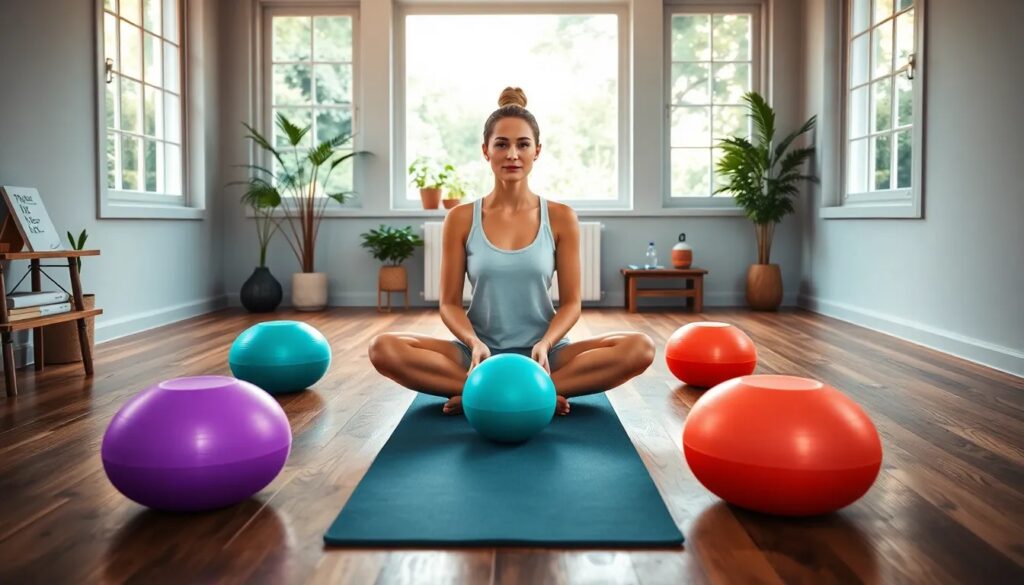
Yoga tune up balls are small, grippy rubber massage balls made by Tune Up Fitness and used by yoga practitioners, runners and desk workers for self-myofascial release — the practice of using your own body weight to apply slow, sustained pressure to tight spots in muscle and connective tissue. They look like a cross between a walnut and a golf ball, and their pliable, tacky surface grips the skin so the ball stays put instead of skating away when you lean into it.
Most people use them because they are portable, inexpensive, and reach places a foam roller misses — the upper traps, the muscles between the shoulder blades, the soles of the feet, the glutes — with a level of precision a tennis ball cannot match.
What Are Yoga Tune Up Balls?
The original Yoga Tune Up Therapy Balls come as a pair of small rubber balls, often sold with a mesh tote that holds them together so you can roll both sides of the spine at once. Tune Up Fitness also makes a wider line under the same family:
- Original Therapy Ball pair — the most versatile starter; about 2.5 inches across, sold in a snug-grip mesh tote.
- Therapy Ball PLUS — a larger version for broader or deeper pressure on the back and hips.
- ALPHA ball (and ALPHA Twin Set) — the biggest of the line, designed for large muscle groups like hamstrings and thighs.
- Coregeous ball — a soft, air-filled ball used for gentle abdominal and diaphragm work.
They are a type of myofascial release ball, sometimes called a massage ball. The idea behind the whole line is the same: slow, targeted pressure on a tender spot encourages tight tissue to relax, brings more awareness to where you hold tension, and pairs naturally with the long exhales of a pranayama practice or the stillness of restorative yoga.
Yoga Tune Up Balls vs Other Massage Tools
If you already own a tennis ball or a foam roller, here is how the options compare in practice:
| Tool | Surface and feel | Best for | Limitations |
|---|---|---|---|
| Yoga Tune Up balls | Grippy, pliable rubber; moderate firmness | Precise work on neck, shoulders, feet, forearms; paired work along the spine | Cost more than a tennis ball; rubber softens with heavy use over time |
| Tennis ball | Hollow, springy, smooth | Very gentle introduction to rolling | Too soft for dense tissue; slips on smooth floors and clothing |
| Lacrosse ball | Solid, hard, smooth | Deep pressure for experienced users with high tolerance | Easy to overdo it; can feel sharp on bony or sensitive areas |
| Foam roller | Large cylinder, firm foam | Broad strokes on quads, hamstrings, upper back | Cannot isolate small spots; awkward for neck and feet |
A reasonable rule of thumb: rollers for broad coverage, balls for precision. Many people end up using both. For a broader look at how the balls fit into a home practice, see our guide to yoga equipment.
How to Use Yoga Tune Up Balls: A Simple Routine
You do not need a class to get started. Find a clear bit of floor or a wall, move slowly, and breathe — long exhales help the nervous system let a tight muscle release. Pair the work with a yoga mat so neither the balls nor your body slide.
- Feet (2–3 minutes per side). Standing, place one ball under the arch of your foot. Roll slowly heel to toes, pausing on tender spots for a few breaths. This is a common starting point for tension in the plantar fascia and the bottom of the foot.
- Upper back (3–4 minutes). Lie on your back with the two balls on either side of the spine, between the shoulder blades. Knees bent, feet flat. Slowly raise and lower your arms, or roll an inch up and down. This is the position most people reach for when they ask about yoga tune up balls for lower back tension.
- Shoulders and upper traps (2 minutes per side). Stand with your back to a wall, pin one ball between the wall and the meaty top of your shoulder, and bend your knees slightly to roll it.
- Glutes and hips (2–3 minutes per side). Sit on one ball placed in the fleshy part of one buttock, lean slightly to that side, and make slow circles.
- Finish lying still for a minute and notice the difference between the side you worked and the other side before switching.
Pressure should feel like a strong but tolerable ache — roughly a 6 or 7 out of 10 — never sharp, electric or numbing. If you feel tingling or numbness, move the ball off that spot immediately; you are likely pressing on a nerve.
As an Amazon Associate, we earn from qualifying purchases.

- TARGETED MUSCLE RELEASE: 2.5″ grippy latex-core balls deliver focused pressure to tight areas like neck, shoulders, back, and feet to support better mobility and circulation.
- DEEP MYOFASCIAL RECOVERY: Designed to help loosen knots and tension after workouts, yoga, or long hours at a desk. Use daily to maintain range of motion.
- PREMIUM MATERIAL & DESIGN: Natural-latex shell with a pliable interior provides controlled compression and grip for effective self-massage on any surface.
- PORTABLE SELF-CARE SET: Includes drawstring mesh tote for easy storage and travel, ideal for gym bags, office drawers, or carry-ons.
- TRUSTED TRAINER QUALITY: Developed by Tune Up Fitness, creators of Yoga Tune Up and The Roll Model Method, used by certified movement educators worldwide.
Which Size Should You Choose?
The small original pair is the most versatile starting point: it handles feet, shoulders, neck and forearms well, and the mesh tote lets you roll both sides of the spine at once. The larger PLUS and ALPHA sizes distribute pressure over a wider area, which feels less intense and suits bigger muscle groups like glutes and hamstrings. The soft inflatable Coregeous ball is the gentlest of the line and is used for abdomen, diaphragm and low-intensity work. If you are buying one product only, most people start with the original pair and add a larger ball later if they want broader, gentler pressure.


Common Mistakes to Avoid
- Rolling too fast. Tissue responds to slow, sustained pressure, not rapid scrubbing.
- Going too hard too soon. Bruising yourself does not speed anything up. Start against a wall (less pressure) before working on the floor (more pressure).
- Rolling directly on the spine, the front of the neck, or bony landmarks. Work the muscle on either side instead.
- Treating rolling as a substitute for movement. Pair it with stretching and strengthening — for back tension, see our guide to yoga for back pain — and consider props like yoga blocks to support positions while you work.
- Doing it on a slippery surface. A yoga mat keeps the balls and your body from sliding.

- IMMEDIATE BENEFITS - Self myofascial release eliminates muscle knots and tension. Trigger point therapy massage lacrosse balls relieve sore and tight muscles to rejuvenate and revitalize all areas of the body.
- EASY TO USE - Simply lean on the massage ball and use your own body weight and gravity to relieve muscle knots and tension.
- MASSAGE ANYWHERE - Perfect for use while sitting on any chair, laying in bed, on the floor, or on a yoga mat. Use them at home, at the office, or at the gym. Small, portable and easy to bring along on any trip.
- PREMIUM QUALITY - Durable, 100% Solid Rubber Construction. No chemical odor and will not stain walls.
- PERFECT FOR SPORTS AND PETS - Official size and weight makes it great for lacrosse practice. Indestructible chew toy and perfect fetch ball for dogs.
Are Yoga Tune Up Balls Safe for Everyone?
General information, not medical advice. Self-massage with a small ball is not appropriate for everyone. Avoid rolling over recent injuries, varicose veins, open skin, or areas with numbness or tingling. Talk to a doctor or physical therapist first if you have a diagnosed condition, are pregnant, are on blood thinners, or have persistent pain that does not improve with gentle self-care. The ball is a maintenance tool, not a treatment for an injury you have not had assessed.
Frequently Asked Questions
For most people, yes. The grippy rubber surface holds position on the skin and feels more forgiving than a hard lacrosse ball, which makes slow, targeted work easier and safer for beginners. A lacrosse ball is cheaper and works if you tolerate intense pressure well.
A few minutes per area, several times a week, is plenty for most people. Daily use is fine if the tissue is not sore. If an area feels bruised the next day, you used too much pressure or stayed too long.
Rolling the sole of the foot can ease tension and provide temporary relief, and many people find it a useful part of a broader routine. It is not a cure on its own, so persistent heel pain should be assessed by a podiatrist or physical therapist.
Start with the original small pair. It covers the widest range of uses, including feet, shoulders, neck and forearms. Add a larger ball later if you want gentler, broader pressure for glutes and hamstrings.
Have a correction? Contact us.
Last update 2026-09-10. Price and product availability may change.
Recommended: