Yoga Sculpt Teacher Training: What to Know Before You Enroll

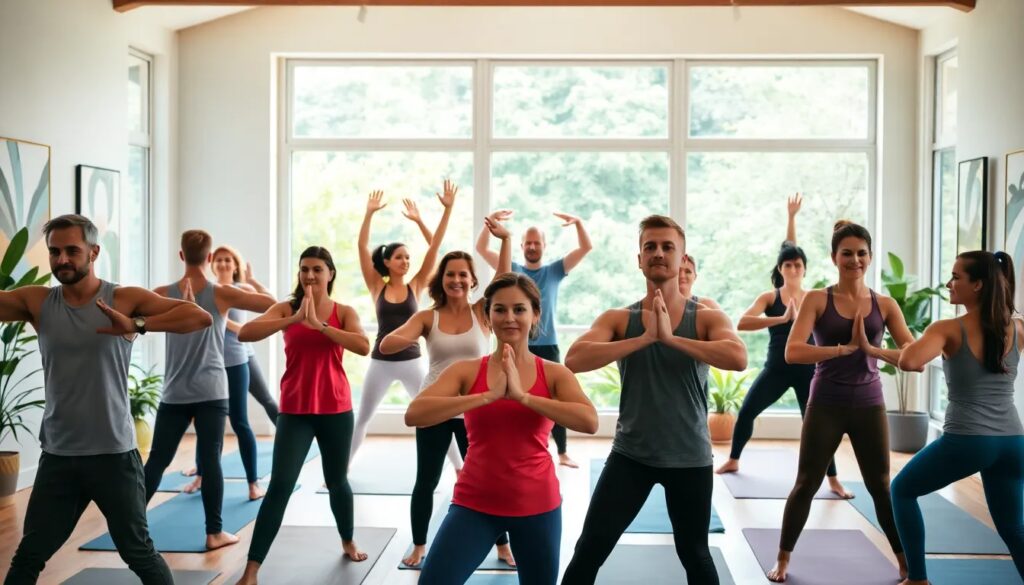
Yoga sculpt teacher training is a short, specialized certification that prepares you to teach vinyasa-based flows layered with light dumbbells, squats, cardio bursts, and usually music. Programs typically run 20 to 50 hours, far less than a 200-hour foundational yoga training, and most sit between a single intensive weekend and a few weeks of part-time study. Sculpt training is treated as an add-on specialty by the studios that hire it, not as a replacement for a foundational credential. If you are still getting clear on the class style itself, read our explainer on what sculpt yoga is first; this article focuses on the training.
- How long does yoga sculpt teacher training take?
- Do you need a 200-hour yoga certification first?
- What a sculpt training curriculum actually covers
- Training formats compared
- How much does yoga sculpt teacher training cost?
- How to evaluate a specific program
- What teaching sculpt is like after certification
- Frequently asked questions
How long does yoga sculpt teacher training take?
Most sculpt certifications fall in the 20 to 50 hour range, which is why they are marketed as a fast track rather than a multi-month commitment. The short end is occupied by fully online, self-paced programs. The Xen Strength Yoga Sculpt Certification, for example, is reported by the program itself to take around 20 hours of self-paced work, with students submitting a 20-minute teaching video for review at the end (see xenstrength.com/get-certified). On the longer end, CorePower Yoga's 50-Hour Yoga Sculpt Teacher Training runs across 2 to 5 weeks with a mix of in-studio sessions and self-paced online work, and the program must be completed within one year of starting to receive the certificate (see corepoweryoga.com). Boutique and independent trainings tend to sit in between, usually a weekend intensive or a one-week format.
The number of hours does not tell the whole story. A 20-hour online program is dense and assumes you can self-direct; a 50-hour hybrid program spreads the same content across a few weekends and includes supervised practice. Both can produce a working teacher, but the time-to-confidence is very different.
Do you need a 200-hour yoga certification first?
Not always, and the answer depends on which program you choose and where you want to teach. Some sculpt trainings require a prior 200-hour RYT; others do not. The clearest way to see this is to compare the major programs on their actual prerequisites.
| Program | Hours | Prerequisite | Format |
|---|---|---|---|
| CorePower Yoga: Yoga Sculpt 50-HR | 50 hours | None | In-studio or online (hybrid) |
| CorePower Yoga: Hot Power Fusion 50-HR | 50 hours | 200-HR RYT | In-studio with self-paced online work |
| CorePower Yoga: Strength X 65-HR | 65 hours | None | In-studio with self-paced online work |
| Xen Strength Yoga Sculpt Certification | About 20 hours | None required (fitness and yoga teachers welcome) | Fully online, self-paced |
| Boutique and independent programs | Varies | Varies (some require 200-HR, some accept group-fitness background) | Usually weekend intensive or one-week in-person |
The requirement, where it is listed, comes from the program's own enrollment page (CorePower and Xen Strength prerequisites are confirmed in their compare-programs and certification pages). For programs you are considering outside this list, the prerequisite is the first thing to verify before paying anything.
Even when the program itself does not require a 200-hour, the hiring market often does. Many studios advertising sculpt or hybrid classes prefer or require a 200-hour RYT as a baseline, regardless of what the sculpt certificate says. If teaching is the goal, the safer sequence is foundational training first and sculpt specialization second; if you want a refresher on what that foundation involves, our guide to the 200-hour yoga teacher training walks through it, and how to prepare for teacher training covers the prep for either path.
What a sculpt training curriculum actually covers
- Sequencing for a hybrid class: how to structure warm-up, flow, strength blocks, cardio bursts, and cooldown into a coherent 45 to 60 minute arc. This is the core skill that separates sculpt teaching from regular vinyasa teaching, and the major studios build their own signature sequences (CorePower's 50-Hour program, for example, trains teachers on its S1-style sequence).
- Weight technique and cueing: safe form for the moves sculpt classes actually use, including bicep curls, tricep extensions, presses, rows, and squats, and how to cue load selection when the room is mixed-level. CorePower's published curriculum calls out exactly this content as the heart of the program.
- Anatomy for loaded movement: shoulder and knee mechanics under external load, which standard yoga anatomy modules cover only lightly.
- Modifications and injury awareness: options for beginners, prenatal students, and participants with joint limitations.
- Music, energy, and voice: sculpt classes are beat-driven, so playlist construction, phrasing to the beat, and teaching over music at higher energy get real curriculum time rather than a passing mention.
- Practice teaching with feedback: reputable programs require you to teach segments and receive feedback before certifying. CorePower's 50-Hour program culminates in a final audition or video submission; Xen Strength's certification is awarded after submitting a 20-minute teaching video for review.
Training formats compared
| Format | Typical duration | Strengths | Limitations |
|---|---|---|---|
| In-person intensive (studio-run) | 1–2 weekends | Live feedback, practice teaching real bodies, hiring pipeline into that studio chain | Travel and fixed dates; often tied to one brand's class format and vocabulary |
| Online self-paced | Weeks to months, flexible | Lowest cost, learn anywhere, lifetime access to materials in many cases | No live spotting of your teaching; requires discipline; check employer acceptance |
| Hybrid (online theory + live practicum) | Varies, typically 2–5 weeks | Balance of flexibility and supervised teaching practice | Fewer programs offer it; practicum dates may be limited to certain cities |
One honest caveat about credentials: sculpt is a fitness-yoga hybrid, and there is no single governing body that accredits sculpt certifications the way Yoga Alliance registers foundational YTT programs. That makes the issuing studio's reputation, and whether local employers recognize it, the thing to verify before paying. Xen Strength is a Yoga Alliance registered program; CorePower issues its own internal certificate rather than a Yoga Alliance credential for its 50-Hour sculpt track. Both are legitimate, but they signal different things on a resume.
How much does yoga sculpt teacher training cost?
Cost varies widely between boutique weekend intensives and the national chain programs, and it has shifted year to year, so the only honest move is to check the program's current enrollment page. The larger national programs typically publish financing options (monthly payment plans are standard) and occasional scholarship cycles. Boutique intensives usually price by the weekend rather than the hour. The bigger question is what is included: practicum hours, video review, lifetime access to materials, and any post-certification teaching support vary just as much as the price tag. Compare what is actually in the package rather than assuming a higher price means deeper training.
There is no reputable free path to teaching sculpt. Some providers run partial scholarships (CorePower's Power Love scholarship, for instance, supports BIPOC teachers), and some boutique trainings offer work-trade spots, but the certificate itself is always a paid program.
How to evaluate a specific program
- Ask where graduates teach. A program that cannot point to working alumni is a red flag.
- Check the practicum requirement. If you can certify without ever teaching a supervised segment, the certificate carries less weight. CorePower's audition and Xen Strength's 20-minute teaching video are the kind of assessment to look for.
- Read the curriculum outline for anatomy under load. Cueing weighted movement safely is the legal and ethical core of the job; if the syllabus treats weights as a single afternoon, look elsewhere.
- Confirm prerequisites honestly. If a program admits complete beginners, expect to do extra foundational work on your own. If a program requires a 200-hour and you do not have one, you are not the audience.
- Take the brand's classes first. Sculpt formats differ noticeably between studio chains. Train with the style you actually want to teach, not the one with the best marketing. Our piece on whether yoga sculpt is a good workout covers what the format delivers physically if you want a sense of the experience.
What teaching sculpt is like after certification
Sculpt classes sit in the high-energy slot of studio schedules, which means demand concentrates at early mornings, evenings, and weekends. Teaching them is physically demanding: you demo with weights while projecting over music, often in a heated room, so working teachers usually cap how many sculpt classes they take per week and mix in regular sculpt-style or vinyasa classes. Pay rates for sculpt teachers are typically described as comparable to other group-fitness formats at the same studio, varying significantly by city, studio chain, and class size; for general context on yoga teacher compensation, our guide to how much yoga instructors make covers the broader numbers. The specialization tends to pay off most for teachers who enjoy the fitness end of the yoga spectrum and want to be useful to gyms and hybrid studios as well as traditional yoga spaces.
For teachers who prefer full flexibility over a fixed studio schedule, the online yoga teacher training path is worth understanding, as is the broader map of yoga certifications available and the practical route to becoming a yoga instructor.
Frequently asked questions
Most programs fall in the 20 to 50 hour range. Fully online, self-paced programs like Xen Strength sit at the short end, around 20 hours of self-directed work. National programs like CorePower's 50-Hour Yoga Sculpt Teacher Training run across 2 to 5 weeks and must be completed within one year. Boutique and independent intensives typically fall in between as a weekend or one-week format.
Not for every program. CorePower's 50-Hour Yoga Sculpt track lists no prerequisite, and Xen Strength is open to anyone with a regular practice or a fitness background. Other programs, like CorePower's 50-Hour Hot Power Fusion, do require a 200-HR RYT. Many studios hiring sculpt teachers still prefer a 200-hour as a baseline even when the sculpt program itself does not require one.
It can be, provided the issuing school has a solid reputation and the program includes assessed practice teaching. Xen Strength is fully online and awards its certificate after review of a 20-minute teaching video, and is registered with Yoga Alliance. Before enrolling, ask studios where you hope to work whether they recognize that specific certification, since there is no single governing body for sculpt credentials.
Sculpt teaching adds external load and cardio programming to flow teaching. You cue dumbbell form and rep counts, manage interval timing, and teach over music at higher energy. Vinyasa teaching centers on breath-linked transitions and longer holds. The underlying cueing and observation skills overlap, but sculpt requires comfort demonstrating weighted movement while projecting voice over a beat-driven playlist, often in a heated room.
Have a correction? Contact us.
Recommended: