Is Yoga Sculpt a Good Workout? An Honest Look at What It Does (and Does Not) Do

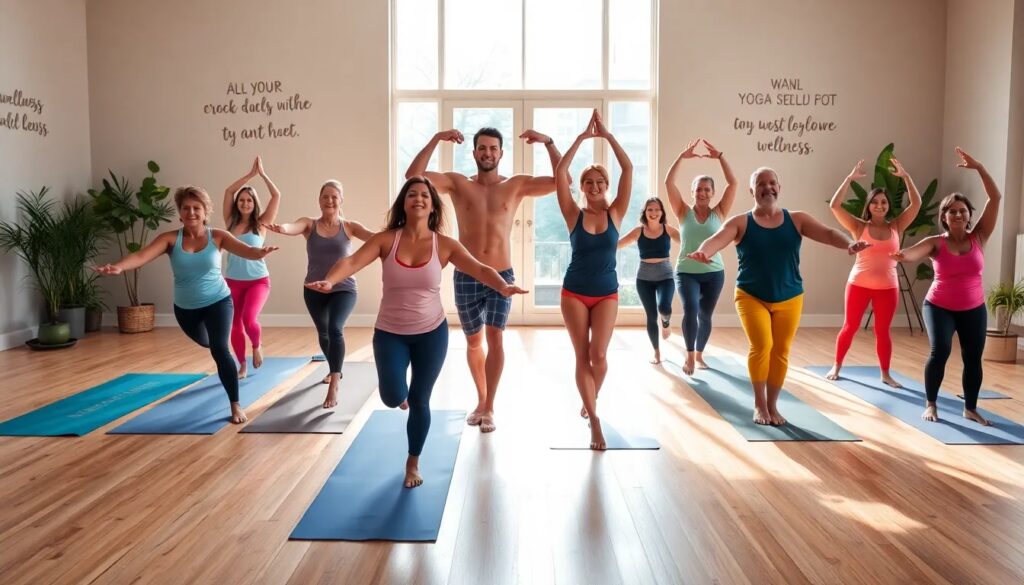
Yes, yoga sculpt is a good workout — if your goal is muscular endurance, light-to-moderate cardio, and a sweaty full-body session you will actually show up for. A typical class pairs a vinyasa-style flow with light dumbbells, bodyweight moves like squats and lunges, and short cardio bursts, often in a heated room. It is not a strength program in the gym sense, though: the light loads and high reps build endurance and tone rather than maximal strength or visible muscle mass.
This article explains what a yoga sculpt class actually involves, what it does and does not deliver, how it compares with other formats, who should adjust it, and how to slot it into a balanced week.
What happens in a yoga sculpt class
Yoga sculpt was popularized by studio chains, most visibly CorePower Yoga. Their version is roughly 50–60 minutes in a room heated to the 90s°F. The structure is fairly consistent across studios:
- Warm-up flow: sun salutations and standing poses to raise the heart rate.
- Weighted sequences: familiar yoga shapes loaded with light dumbbells — bicep curls in Crescent Lunge, overhead presses in Chair Pose, rows in Warrior III.
- Cardio bursts: 30–60 second blocks of mountain climbers, squat jumps, or high knees.
- Core block and cooldown: abdominal work followed by stretching and a short Savasana.
Music is loud, cueing is fitness-style rather than meditative, and the pace rarely lets up. If you are picturing a quiet, breath-led class, this is the opposite end of the spectrum — closer to power yoga with weights than to a traditional practice. It also sits inside the wider map of yoga styles as a fitness-forward hybrid.
What yoga sculpt is genuinely good for
- Muscular endurance and tone. High-rep work with light weights fatigues the muscles thoroughly. Beginners and returners often notice visible firming within the first couple of months.
- Cardiovascular fitness. The combination of continuous flow and cardio bursts keeps your heart rate in a moderate-to-vigorous zone for much of the class — something most yoga styles do not do. Our guide on whether yoga counts as exercise covers how different styles stack up against activity guidelines, and whether yoga is cardio is the deeper dive on the cardio question.
- Time efficiency. One session touches strength endurance, cardio, mobility, and core — useful if you can only train two or three times a week.
- Adherence. The music, group energy, and variety make it a class people stick with, and the workout you actually do beats the optimal one you skip.
Where it falls short
- Maximal strength and muscle growth. Three to eight pound dumbbells stop challenging you quickly. If building strength or muscle is your priority, you need progressive overload with heavier loads that sculpt classes cannot provide.
- Flexibility and mindfulness. The fast pace leaves little time for deep stretching or breath work compared with slower styles like vinyasa or yin.
- The heat is not magic. A heated room makes you sweat dramatically, but sweat is water loss, not fat loss. Our article on whether hot yoga burns more calories covers why the heat adds less to energy expenditure than the marketing suggests.
Yoga sculpt vs other workouts
| Format | Strength stimulus | Cardio | Flexibility | Best for |
|---|---|---|---|---|
| Yoga sculpt | Light — endurance and tone | Moderate to vigorous | Light | All-in-one conditioning class |
| Vinyasa yoga | Bodyweight only | Light to moderate | Good | Mobility plus mindful movement |
| HIIT class | Light to moderate | Vigorous | Minimal | Cardio fitness in minimal time |
| Weight training | High — strength and muscle | Low | Minimal | Building strength and muscle mass |
| Pilates | Light — core focused | Low | Moderate | Core control and posture |
Is yoga sculpt good for weight loss?
It can contribute. A 50–60 minute class burns meaningfully more than a slow yoga session — the continuous movement and cardio intervals are doing that work, not the temperature. But weight loss is driven primarily by your overall calorie balance, so sculpt classes work best as the activity component of a plan that also addresses diet. Treat the big numbers some studios advertise with skepticism, and do not count water-weight changes after a sweaty class as fat loss.
How to fit yoga sculpt into your week
Before you go in, a quick gear note: most studios provide dumbbells and mats, but if you want your own setup, a non-slip mat and a pair of light hand weights make the class smoother.
As an Amazon Associate, we earn from qualifying purchases.


- Start with one or two classes per week. The combination of heat, weights, and cardio is more fatiguing than it looks; give yourself recovery days at first.
- Pair it sensibly. Two sculpt classes plus one or two heavier strength sessions covers endurance, cardio, and real strength. A slow flow or yin class fills the flexibility gap.
- Go lighter than you think on weights. Holding 5 lb dumbbells through dozens of reps in a heated room is harder than it sounds. Form first, load later.
- Hydrate before class, not just during — and bring a towel and water bottle. Dress as you would for hot yoga; our hot yoga clothing guide applies directly.
- Scale the cardio bursts. Every jump has a low-impact option; using it is smart pacing, not cheating.
If you are curious about the studio chain most associated with this format, our overview of CorePower Yoga explains the class levels and what to expect at your first visit.
Who should skip (or modify) yoga sculpt
- Brand-new exercisers. The heat, the pace, and the weights can be a lot on day one. Start with a regular vinyasa or hatha class for a few weeks, or take sculpt without dumbbells and use the low-impact option on every cardio burst.
- Anyone with a current injury or recent surgery. Heated, high-intensity work is not the place to test a healing joint. Get medical clearance first, and ease back in with a slower format.
- Pregnant students without a doctor's OK. Heat, supine core work, and loaded movements are not appropriate without guidance. Look for a prenatal-trained teacher instead.


Frequently asked questions
Not if your goal is strength or muscle growth. The light dumbbells used in sculpt classes build muscular endurance and tone, but they cannot provide the progressive overload that heavier lifting does. It works well as a complement to one or two strength sessions per week.
Yes, with pacing. Every exercise has a lighter or low-impact option, and you can practice without weights at first. Expect the heat and pace to feel intense in your first few classes, and rest whenever you need to.
It varies with body weight and effort, but a 50-60 minute class typically lands in the range of a moderate-to-vigorous cardio session - meaningfully more than slow yoga, less than running. The heated room adds sweat but only modestly increases calorie burn.
One to three times per week works for most people. Because classes combine heat, weights, and cardio, recovery matters - balance sculpt with rest days, slower yoga, or strength training rather than doing it daily.
It borrows yoga shapes and some flow structure, but the experience is closer to a group fitness class: loud music, dumbbells, and cardio intervals. If you want breath-led practice and mindfulness, a traditional vinyasa or hatha class is a better fit.
Have a correction or a question about this article? Reach us via our contact page.
Last update 2026-09-10. Price and product availability may change.
Recommended: