Why Does Yoga Make Me Cry? What Tears on the Mat Actually Mean

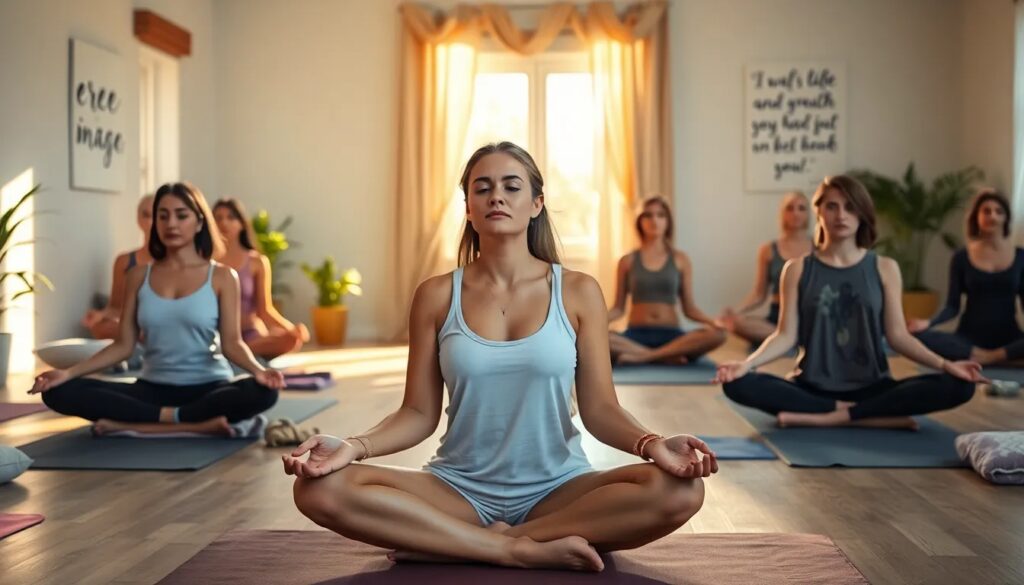
Crying during yoga is common, normal, and usually nothing to worry about. The most likely explanation is a combination of three things happening at once: slow, exhale-heavy breathing shifts your nervous system into its calmer parasympathetic state, sustained stretching releases physical tension you have been carrying, and the quiet attention of practice removes the distractions that normally keep emotions at a distance. When the guard comes down, feelings that have been waiting their turn often surface as tears.
This article looks at why it happens, which poses tend to trigger it, what to do in the moment, and the rarer cases where tears are a signal to get extra support — part of the broader emotional and philosophical side of practice covered in our yoga philosophy and history hub.
- Is It Normal to Cry During Yoga?
- Why Yoga Triggers Tears: The Most Likely Explanations
- The Poses Where Tears Most Often Show Up
- What to Do When Tears Come Mid-Class
- Does Yoga “Release Stored Trauma”?
- Why Yin Yoga in Particular Tends to Bring Up Tears
- What If You Feel Sad or Drained After Class, Not During?
- When Crying Might Be a Signal to Get Support
- Frequently Asked Questions
Is It Normal to Cry During Yoga?
Yes. Teachers see students tear up regularly — during a deep hip stretch, in a long-held forward fold, or most often in savasana at the end of class. It tends to show up after stressful weeks, during grief, or simply on days when you arrive more tired than you realized. Nothing is wrong with you, and you will almost never be the first person in that room to have cried on a mat.
Why Yoga Triggers Tears: The Most Likely Explanations
1. Your nervous system shifts gears
Slow breathing with long exhales stimulates the vagus nerve and activates the parasympathetic branch of the nervous system — the rest-and-digest mode. As physiological arousal drops, the bracing that holds emotions in check drops with it. Crying after intense stress release is a well-known pattern, and yoga reliably produces exactly that downshift. If you want to understand the mechanism, our guide to pranayama breathing explains how different breath patterns calm or energize the body.
2. Stillness removes distraction
Most of us spend the day managing tasks, screens, and conversations — all of which conveniently crowd out difficult feelings. A yoga class may be the only hour when nothing demands your attention. In that quiet, whatever you have been postponing gets its chance to be felt.
3. You are finally paying attention to your body
Yoga trains interoception, the perception of internal bodily signals. Emotions have physical signatures — tight chest, clenched jaw, shallow breath — and when you start noticing those sensations instead of overriding them, the emotion attached to them often comes into awareness too.
4. Physical and emotional tension travel together
Chronic stress raises baseline muscle tension. When a long, deep stretch finally releases that tension, the release can feel emotional as well as physical, because the same nervous system governs both.
5. Accumulated stress finds an exit
Sometimes the explanation is simply volume: weeks of pressure with no outlet, and the first genuinely calm hour becomes the overflow point. In that sense, tears on the mat work much like the relief some people feel after a good cry at home — the practice just creates the conditions for it. A regular practice built around calming poses can make these releases gentler and less surprising; see our guide to yoga for stress.
One honest caveat: you will often hear in yoga classes that emotions are stored in the hips. That idea is popular in yoga culture, but there is no solid scientific evidence that specific emotions live in specific muscles. What is well documented is that stress increases overall muscle tension and that slow movement plus deliberate breathing lowers arousal — which is enough to explain the tears without the metaphor.
The Poses Where Tears Most Often Show Up
- Deep hip stretches, especially Pigeon Pose — long, intense holds in a vulnerable position. See our guide to hip openers for how to practice them safely.
- Heart openers such as Camel and Bridge — backbends expose the front of the body, which many people instinctively guard.
- Child’s Pose and forward folds — turning inward and folding over the legs invites introspection.
- Savasana — for many practitioners, the first true stillness of the day, with no pose left to concentrate on.
- Long passive holds in yin yoga — three to five minutes in one shape gives emotions plenty of time to surface. If slow practice appeals to you, here is what to expect in a first yin class.
What to Do When Tears Come Mid-Class
- Let it happen. You do not need to fight the tears or explain them to anyone. They usually pass within a minute or two.
- Keep breathing slowly, with the exhale a little longer than the inhale. This keeps the nervous system settled rather than tipping into overwhelm.
- Soften the pose. Back out of the deepest edge of the stretch, or take Child’s Pose for a few breaths. Intensity of sensation and intensity of emotion often rise together.
- Stay or step out — both are fine. Most students simply continue practicing. If you want privacy, quietly leaving the room for a moment is completely acceptable, and no good teacher will think twice about it.
- Be kind to yourself afterward. Drink some water, take a slower pace for the rest of the day, and if it helps, note down what came up.
Does Yoga “Release Stored Trauma”?
You will sometimes hear that yoga “releases stored trauma” — a phrase that comes up constantly in yoga culture, including in recurring conversations across online yoga communities from people asking why a single class left them in tears. The honest answer is more careful than the phrase suggests. There is no solid evidence that specific traumatic memories are physically stored in particular muscles or joints, waiting to be unlocked by a stretch. What is real is that slow, mindful movement combined with quiet, undistracted attention can bring suppressed emotions into conscious awareness — and many people describe that moment of noticing as a release, even though nothing about the tissue itself has changed.
Clinical interest in yoga as a complement to trauma care has grown in recent years, and trauma-informed yoga — classes built around choice, predictability, and the option to skip any pose — has become a distinct offering designed for that need. But that support role is exactly that: a complement to professional care, not a mechanism for erasing trauma or a substitute for therapy. If a class leaves you feeling flooded rather than lighter, that is useful information to bring to a mental health professional, not something to push through on the mat.
Why Yin Yoga in Particular Tends to Bring Up Tears
Not every style brings up tears equally. A fast-moving vinyasa class keeps your attention on the next transition, which leaves little room for emotion to surface. Yin yoga does the opposite: poses are held passively for three to five minutes at a time, with almost no muscular effort and nowhere else for your attention to go. That combination — long stillness, minimal distraction, and deep connective-tissue stretching — is exactly the recipe described above, which is why “why does yin yoga make me cry” is one of the most common versions of this question. Restorative yoga, which uses props to support the body in fully passive shapes for even longer holds, tends to have a similar effect.
None of this means yin or restorative yoga is more emotionally “powerful” or riskier than a vigorous practice — it simply removes more of the usual distractions that keep feelings at bay. If you are curious about trying a slower style, our guide to what to expect in a first yin class covers what a typical session looks like, and our overview of yin yoga benefits goes deeper into what the practice does for the body and nervous system beyond the emotional release.
What If You Feel Sad or Drained After Class, Not During?
Crying mid-pose is the most talked-about version of this, but some people notice the opposite pattern: they feel fine during class and then low, tired, or quietly sad for the rest of the day. This is usually the same nervous-system downshift described above, just delayed — dropping out of a stress-response state can leave you feeling flat rather than energized, especially after an intense or unusually long practice. Staying hydrated, eating something afterward, and giving yourself an easy transition instead of rushing straight into a demanding task can soften it.
The distinction that matters is duration. A few hours of low energy or a subdued mood after a deep practice is common and not a cause for concern. Persistent low mood that lasts for days, shows up after most classes, or comes with anxiety and difficulty functioning is a different pattern, and it is worth mentioning to a doctor or therapist rather than assuming yoga is simply too intense for you.
When Crying Might Be a Signal to Get Support
Occasional tears during practice are a normal response to relaxation and are generally considered harmless. But it is worth paying attention if the tears come with persistent low mood or anxiety outside of class, if practice repeatedly brings up intrusive memories, or if the emotional intensity feels frightening rather than relieving. For people with a trauma history, deep relaxation and certain body positions can occasionally surface overwhelming material.
In those cases, talking to a mental health professional is the right next step, and trauma-informed yoga classes — which emphasize choice, predictability, and gentle pacing — can be a better fit than standard classes. Yoga can complement therapy well, but it is not a substitute for it.
This article is general information, not medical or mental health advice. If difficult emotions persist or interfere with daily life, please reach out to a qualified mental health professional.
Frequently Asked Questions
Hip openers like Pigeon Pose combine intense sensation, long hold times, and a physically vulnerable position, all while you breathe slowly and have nothing to distract you. That combination lowers your guard and can surface emotion. The popular idea that emotions are stored in the hips is not supported by solid evidence, but the release of long-held muscle tension genuinely can feel emotional.
Only if you want to. Teachers see tears regularly and most students simply keep practicing while the wave passes, which usually takes a minute or two. If you would rather have privacy, stepping out quietly is completely acceptable. There is no etiquette rule you are breaking either way.
It is a sign that you relaxed deeply enough to feel what you were carrying, which many people experience as a release. That said, it is not a required milestone. Practitioners who never cry on the mat are not doing yoga wrong, and those who cry often are not more advanced.
For some people, yes. Deep relaxation, slow breathing, and certain body positions can occasionally surface traumatic memories or intense sensations. If this happens repeatedly or feels overwhelming, work with a mental health professional and consider trauma-informed yoga classes, which emphasize choice and predictability. Yoga can support recovery but does not replace therapy.
There's no solid evidence that trauma is physically 'stored' in specific muscles or joints, but slow, mindful movement can bring suppressed emotions into awareness, which some people experience as release. Trauma-informed yoga classes are designed to make that process safer, but yoga is a complement to professional support, not a replacement for it.
Have a correction? Contact us.
Recommended: