What Shoes Should I Wear for Outdoor Yoga? Barefoot, Grip Socks, and More

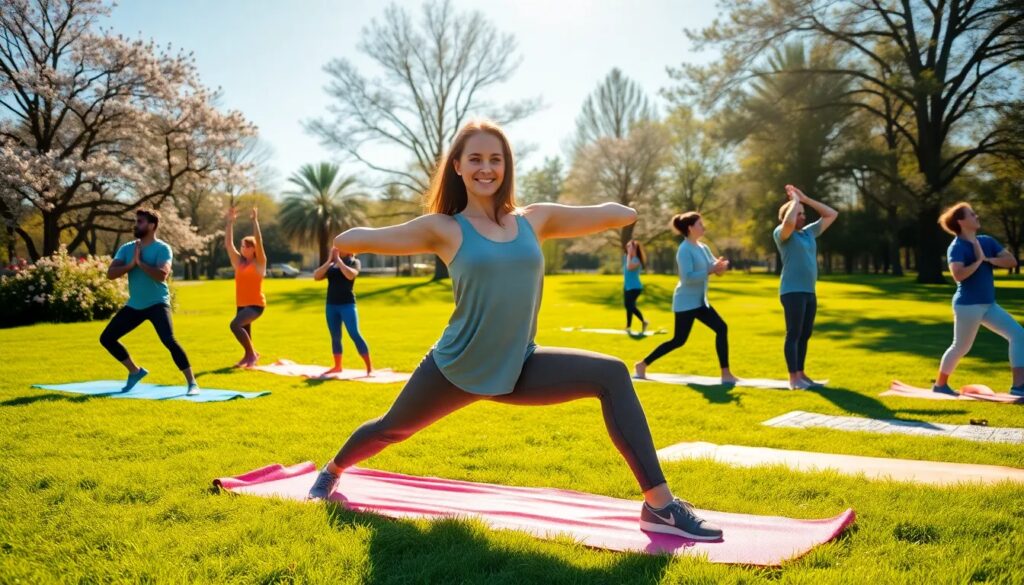
For outdoor yoga, the honest answer to what shoes to wear is: usually nothing. Bare feet remain the preferred choice of most experienced yoga practitioners outdoors because direct skin contact with the ground gives you proprioceptive feedback that shoes and even most socks interrupt. That said, certain surfaces, temperatures, and practice styles do make foot protection worthwhile, and the right option is not the same for every situation. This guide breaks it down by surface and condition so you can make a practical decision rather than a theoretical one.
- Why barefoot is the default and when it works
- Grip socks: the middle-ground option
- Minimalist shoes: when to use them
- What about running shoes and sneakers?
- Surface-by-surface guide
- How to set up for outdoor yoga on common surfaces
- What about yoga retreats and outdoor classes?
- Frequently asked questions
Why barefoot is the default and when it works
Yoga originated and evolved as a barefoot practice. The alignment system in most styles — Vinyasa, Hatha, Iyengar, Yin — depends on your foot being able to spread and grip the surface beneath it. The ball of the foot, the outer edge, and the heel are three distinct contact points that instructors routinely cue. In shoes, these distinctions collapse. The foot passively loads the sole of the shoe rather than actively spreading to find stability. For a deeper look at the barefoot question beyond the outdoor context, see our is yoga barefoot overview.
Barefoot outdoor practice is entirely viable on the right surfaces. Close-cut dry grass is excellent: it is cushioned, warm under the feet, has natural traction, and feels pleasant. Fine dry sand works for standing poses though it is unstable enough that balance poses become significantly harder — which some practitioners enjoy as a progressive challenge. Smooth wooden decks are also workable when dry and splinter-free.
Barefoot becomes a problem when the surface is rough (gravel, concrete with grit), extremely hot (beach sand or pavement in direct summer sun), cold (around or below 55°F / 13°C, when most people find their feet go numb enough to affect proprioception), or visibly contaminated. A good outdoor yoga mat solves the contamination and surface-texture problem on most surfaces, since you are now practicing on the mat rather than directly on whatever is beneath it. In cold weather, the rule of thumb is simple: if your feet would be uncomfortable walking on the surface in everyday shoes, they will be uncomfortable holding a balance pose barefoot for several minutes.
Grip socks: the middle-ground option
Yoga grip socks have rubber or silicone nodules on the sole that create traction on slippery surfaces while keeping the foot warm and protected. They are the most commonly recommended option for outdoor yoga when you want some protection without losing too much ground feel.
The advantages over shoes are significant. Grip socks preserve the toe-spread that shoes prevent. The foot can still flex fully, and you can feel the surface beneath you. They work well on wooden decks that might be slightly damp, on smooth concrete, and in cool weather when bare feet are uncomfortable. They are also easy to carry in a yoga bag and quick to put on and take off.
The main limitation is that grip socks provide no protection against sharp objects and minimal thermal insulation. If the ground is very hot, very rough, or very cold, socks are not enough. They are also unhelpful on wet grass, where the nodules grip poorly and the sock simply gets wet.
For a fuller discussion of whether socks belong in yoga at all, see do you wear socks in yoga.
As an Amazon Associate, we earn from qualifying purchases.


Minimalist shoes: when to use them
A true minimalist or barefoot-style shoe has a very thin, flexible sole (typically 3 to 6mm), a wide toe box that allows natural toe splay, and zero or minimal heel drop. The goal is to allow foot function close to barefoot while protecting the sole from rough or hazardous surfaces.
These are the right choice when you are practicing on a trail, a rough paved surface, or any outdoor space where the ground itself would make barefoot practice unsafe. They are also practical for practitioners who walk to an outdoor class location and then practice, since you transition from walking to yoga without changing footwear. If you are looking for a yoga shoe with a bit more support than pure barefoot, the minimalist end of the market is where you will find it; thicker stability or motion-control shoes designed for running work against the alignment work yoga asks of your feet.
The key limitation is that even thin-soled shoes reduce ground feedback compared to bare skin. The traction pattern matters: look for a sole that is flat rather than ridged, because deep lugs designed for trail running will interfere with balance poses. A smooth or lightly textured rubber sole grips a mat or flat ground better than an aggressive tread.

- Breathable and Comfortable Upper: Our women's walking shoes feature a soft, breathable knit upper that is ultra-light, flexible and comfortable, making it feel like you're not wearing shoes at all.
- Anti-slip and Durable Sole: Women's Barefoot shoes the rubber sole of the women walking shoe is paired with anti-slip patterns, making it more hard wearing. The powerful traction allows you to walk on smooth floors without slippi
- Zero Drop & Flexible Sole : Women's home shoes lightweight and grippy soles ensure correct posture and balance, and strengthen the muscles of the feet and calves.
- Comfortable and flexible: Women's slippers can be folded at will, taking up little space, easy to carry, and not easily deformed after long-term wear
- Suitable for all occasions: women's barefoot vitality shoes can be worn at home daily, also suitable for travel or going out, such as Pilates, yoga, gymnastics, office, etc.
What about running shoes and sneakers?
Standard running shoes, cross-trainers, and casual sneakers are not appropriate footwear for yoga, outdoors or indoors. Their thick cushioned midsoles create a rocker effect underfoot that makes it genuinely harder to feel where your weight is. This is the opposite of what yoga alignment requires: the foot needs clear, immediate contact with the surface so the ankle, knee, and hip can stack correctly.
If you need foot protection and a minimalist shoe is too much, a thin canvas slip-on is closer to acceptable than a running shoe, but it is still a compromise. The honest answer to the question can i do yoga in sneakers is that you can, but you will be working against the design of both the shoe and the practice. A flat, thin-soled option is the only footwear that respects what yoga is asking your feet to do.
Surface-by-surface guide
| Surface | Best option | Notes |
|---|---|---|
| Dry grass | Barefoot | Excellent traction, cushioned, pleasant; check for debris first |
| Dry sand | Barefoot | Good for standing poses; unstable for balance work |
| Wet grass | Grip socks or thin mat | Slippery barefoot; socks help, mat helps more |
| Wooden deck (dry) | Barefoot or grip socks | Watch for splinters; grip socks if deck is smooth and cool |
| Wooden deck (damp) | Grip socks | Bare feet slip on damp wood |
| Concrete or pavement | Outdoor mat + barefoot | Hard surface benefits from mat cushion; rough edges need mat |
| Rough trail or gravel | Minimalist shoes | Only situation where a shoe is genuinely needed |
| Hot sand or pavement | Minimalist shoes or sandals | Thermal protection required; remove for poses if possible |


How to set up for outdoor yoga on common surfaces
- Inspect the area. Walk the area barefoot before unrolling your mat. Look for rocks, roots, broken glass, or animal waste. This takes 30 seconds and prevents unpleasant surprises mid-practice.
- Choose mat placement based on sun and shade. Practicing in direct overhead sun raises the mat surface temperature significantly, especially on dark mats. A shaded spot keeps the mat comfortable and reduces heat fatigue.
- Anchor the mat if there is wind. Lightweight mats lift in even moderate wind. Placing blocks or a bag at the corners helps. Some outdoor mats have heavier rubber bases that resist wind better than travel mats.
- Start barefoot and assess. Even if you brought grip socks, start barefoot and assess traction and comfort before putting them on. You may find the surface is better than expected.
- Carry a small towel. Outdoor surfaces generate more debris on the feet than studio floors. Wiping feet before getting onto the mat keeps the mat cleaner and improves grip.
What about yoga retreats and outdoor classes?
At a yoga retreat or guided outdoor class, follow the instructor's guidance and the norms of the space. Beach yoga classes in tropical settings are nearly always barefoot. Forest or mountain retreat settings may involve some walking between practice areas and the accommodation, in which case having easy slip-on footwear for transitions is practical. For retreat planning, see our overviews of yoga and hiking retreats and yoga retreats in India, which discuss what to pack including footwear.
For everyday outdoor yoga at home, most practitioners develop a quick ritual: shoes off at the mat edge, feet checked and wiped, mat laid on the best available surface. This takes less than a minute and makes the transition from outdoors to practice smooth and habitual.
What you wear on the rest of your body for outdoor yoga is a different question. For guidance on clothing choices that work both in the studio and outdoors, what do people wear to yoga covers the main considerations.

- Extra thick, cushy floor mat in Black for yoga, gym, and everyday exercise
- 1/2 inch thickness offers comfortable padded support and shock absorption; textured surface provides extra traction
- Durable foam construction offers stretchability and springs back into shape
- Elastic strap for secure rolled-up mat storage and easy over-the-shoulder carrying
- Wipes clean easily
- Product Dimensions: 74 x 24 x .5 inches (LxWxH)

Frequently asked questions
Have a correction or a question about this article? Reach us via our contact page.
Last update 2026-09-10. Price and product availability may change.
Recommended: