What Is DDP Yoga? The Wrestler-Built Fitness System Explained

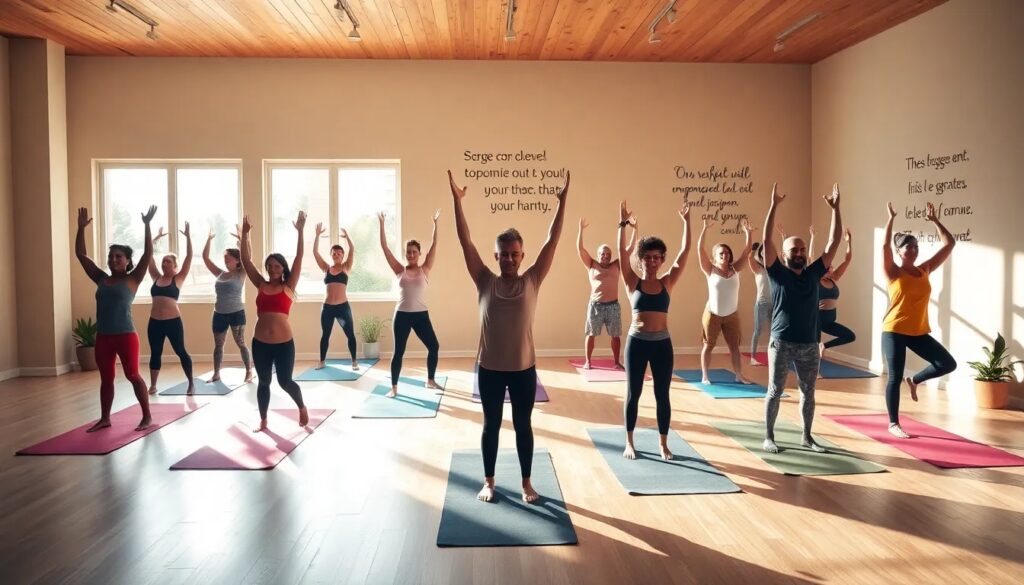
What is DDP Yoga? It is a low-impact fitness program, now marketed as DDPY, created by former professional wrestler Diamond Dallas Page. The system combines yoga-derived positions with deliberate muscle engagement (which Page brands as "dynamic resistance"), elements of sports rehabilitation, and old-school calisthenics. The aim is to raise heart rate and build strength without running, jumping, or lifting weights — which is why it has become popular with people who have joint pain, are significantly overweight, or are returning to exercise after injury or surgery.
Where DDP Yoga comes from
Diamond Dallas Page developed the system in the late 1990s after rupturing spinal discs during his wrestling career. Told that his in-ring career was likely over, he combined the yoga his wife introduced him to with rehabilitation exercises and resistance techniques, and eventually returned to the ring. He later turned the routine into a commercial program, first on DVD and now primarily through the DDPY app.
The program became widely known through the story of Arthur Boorman, a disabled Gulf War veteran who had been told he would never walk unaided again. A video documenting his transformation using the program — from walking with crutches and leg braces to running — went viral in 2012 and remains the most-watched introduction to DDPY. It is a real, documented story; it is also worth saying plainly that it represents an exceptional outcome, not a typical one, and no program can promise comparable results.
How DDP Yoga actually works
Three mechanisms do most of the work:
- Dynamic resistance: you tense your muscles as you move, as if pushing or pulling against a weight that is not there. The term is Page's own label for what trainers more generically call isometrics combined with controlled range-of-motion work; it raises heart rate noticeably, which is why the program encourages training with a heart-rate monitor to keep yourself in a target zone.
- Yoga-based positions: familiar shapes (lunges, planks, folds, balance poses) are renamed and sequenced for continuous movement rather than long static holds. If you want to compare it with a traditional flowing style, see our explainer on vinyasa yoga.
- Low impact by design: there is no jumping or running, and most workouts offer modifications performed from a chair or with reduced range of motion. The structure is similar in spirit to other low-impact home practices, including the kind of seated work described in our guide to yoga equipment and home setup.
Workouts are typically 20 to 60 minutes and progress from beginner sessions to demanding advanced routines. The structure means DDPY can serve either as a standalone fitness program or as flexible cross-training alongside cardio — if you are weighing how to combine practices, our guide on yoga before or after cardio applies here too.
DDP Yoga vs traditional yoga
| Aspect | DDP Yoga | Traditional yoga |
|---|---|---|
| Primary goal | Fitness: cardio, strength, mobility | Varies by style: mind-body practice, flexibility, breath, meditation |
| Muscle engagement | Constant deliberate tension throughout each movement | Engagement as needed to hold or transition the pose |
| Spiritual / meditative element | Essentially none; gym-style coaching tone | Often central, depending on the style |
| Heart-rate focus | Explicit; monitor recommended | Rarely emphasized |
| Typical setting | At home via app or DVD | Studio classes or home practice |
| Pacing | Continuous movement between positions | Often includes long static holds |
Neither is better in the abstract — they aim at different things. Someone seeking breath work, meditation, and a contemplative practice will not find it here; someone who finds regular yoga classes too slow or too spiritual often gets on well with DDPY's direct, gym-style tone. Complete beginners to movement in general may also want to read our guide to starting yoga to understand the conventional alternative before choosing.
What the DDPY program includes
The current DDPY offering is structured around the DDPY Now app, which organizes workouts into several tracks: a beginner plan with chair modifications, a "rebuild" track aimed at people with severe mobility issues, seniors, and post-surgery recovery, a standard weight-loss / strength track, and advanced routines. Sessions range from about 20 minutes (rebuild / starter) to roughly 60 minutes (advanced), and most require no equipment beyond a mat. A heart-rate monitor is strongly recommended because the program uses target heart-rate zones to gauge effort; no weights or machines are required because resistance comes from your own muscle engagement. The program also includes an optional eating plan built around whole, minimally processed foods, with a phased approach that gets stricter at higher levels (the upper phases remove gluten and dairy). The stricter elimination phases are not necessary for everyone and are worth discussing with a doctor or registered dietitian if you have any health conditions.
How to access the program
DDPY is sold mainly as a subscription to the DDPY Now app, with monthly and annual plans that include the workout library, programs, and tracking. DVD packages are also still available. Some workouts and clips are posted free on the official DDP YOGA YouTube channel if you want to sample the style before subscribing. For current pricing, the official site is the source — we avoid quoting numbers here because subscription rates change over time.
Who DDP Yoga suits — and who it does not
- Good fit: people with joint pain or old injuries who need low-impact cardio; heavier beginners; former athletes who respond to coaching-style motivation; anyone bored by jogging who still wants heart-rate work at home.
- Weaker fit: people wanting the meditative and breath-centered side of yoga; experienced lifters seeking maximal strength (dynamic resistance complements but does not replace progressive overload); anyone who dislikes high-energy presentation styles.
Health note: this article is general information, not medical advice. If you have injuries, chronic conditions, or are returning to exercise after a long break, check with a healthcare professional before starting DDP Yoga or any new fitness program.
Does DDP Yoga actually work?
As a fitness program, DDPY delivers what its structure promises: elevated heart rate, sustained muscle engagement, and low-impact work that many people can keep doing week after week. Consistency and progressive challenge, which the program provides through its tiered tracks, are well-known drivers of cardiovascular and strength adaptation. Combined with the program's dietary guidance, it can contribute to weight loss the way any consistent exercise-plus-nutrition program can — with the caveat that the program's own marketing features dramatic transformations that are real for the individuals shown but not typical outcomes for the average user. If you want a more conservative starting point, the official site lets you explore the beginner plan and the rebuild track before committing to a paid subscription.
As an Amazon Associate, we earn from qualifying purchases.


What equipment do you need for DDP Yoga?
The short answer: very little. A non-slip mat is the only real requirement. A heart-rate monitor (chest strap or wrist-based) is recommended because the program uses target heart-rate zones to gauge effort. Optional gear that some practitioners add: yoga blocks for support in lunges and folds, a mat towel if you sweat heavily, and light resistance bands if you want extra intensity in arm and shoulder work. If you are curious about which blocks or mats are most popular among home practitioners, the picks below are a reasonable starting point.

- High End Exercise Bands. Our 12"³ By 2"³ Heavy Duty Loop Resistance Bands Come In 5 Varying Resistance Levels. This Makes Them Perfect Whether You Are Just Starting To Workout Or A Seasoned Workout Warrior. Our Extra Light And Light Bands Are Great For Beginners, While Our Medium, Heavy And Extra Heavy Exercise Bands Are Targeted For More Intermediate And Advanced Strength Training.
- Great With Any Workout. This Resistance Band Set Can Be Integrated Seamlessly With Various Popular Workout Program. Or Use Them For General Exercise, Stretching, Strength Training, Power Weight Programs. The Included Carry Bag Makes It Easy To Take Your Bands With You And Do Any Workout Away From Home Or Your Home Gym.
- Multiple Uses. While These Resistance Bands Are Often Used For Sports And Fitness, Physical Therapists Love These Physical Therapy Bands (Rehab Bands) To Help Them Rehabilitate Their Patients. Our Stretch Bands Work For People Suffering From Leg, Knee And Back Injuries. They Are Also Perfect For Use By Women After Pregnancy And Birth To Keep Their Bodies In Shape.
- Superior Quality. All Of Our Exercise Resistance Bands Are Thoroughly Tested Before We Ship Them Out To You. This Ensures Your Bands Are Easy On Skin And Will Provide You With A Worry Free Experience. The Instruction Booklet Includes Dozens Of Different Illustrated Exercises That Demonstrate How To Use Our Resistance Bands For Legs, Arms, Back, Shoulders, Ankles, Hips And Stomach.
- What You Get: Five Exercise Bands With Color-Coded Resistance Levels, Portable Travel Carry Bag And Instruction Guide.
Not in the traditional sense. It borrows yoga positions but drops the spiritual and meditative elements, adding constant muscle engagement and heart-rate-based cardio. It is best understood as a yoga-inspired fitness system rather than a lineage of yoga proper.
DDP Yoga sequences familiar yoga shapes into continuous, low-impact movement, adds constant deliberate muscle tension, and uses target heart-rate zones to drive cardio intensity. Traditional yoga more often includes long static holds, breath and meditation work, and less emphasis on heart rate.
It works as a structured fitness program: low-impact cardio, sustained muscle engagement, and clear progression through beginner, rebuild, and advanced tracks. Weight loss depends on diet and consistency, as with any program, and the dramatic transformations featured in DDPY marketing are real but exceptional outcomes.
Yes. The program includes a beginner plan with chair modifications and a rebuild track for people with limited mobility, post-surgery recovery, or seniors. Progress at your own pace and get medical clearance first if you have any health concerns.
Very little. A non-slip mat is the only real requirement. A heart-rate monitor is recommended because the program uses target heart-rate zones to gauge effort. No weights or machines are required, because resistance comes from your own muscle engagement.
Have a correction? Contact us.
Last update 2026-09-10. Price and product availability may change.
Recommended: