Vinyasa Flow: What It Is, What a Class Looks Like, and How to Do the Transition

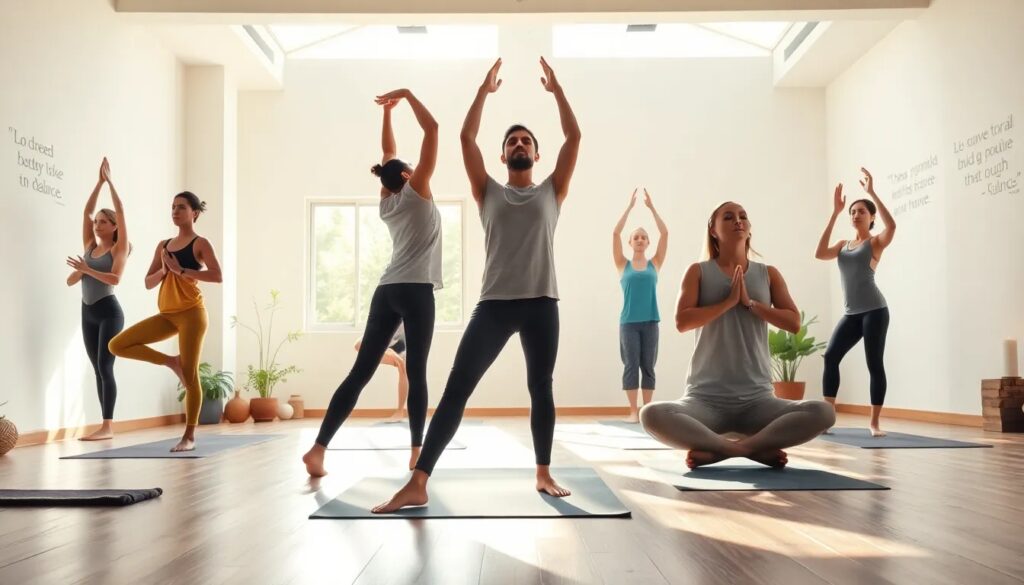
Vinyasa flow is a style of yoga in which poses are linked into continuous, breath-led sequences — you move on the inhale and exhale instead of holding each posture in isolation. The term has a second, narrower meaning inside a class: a vinyasa is the specific transition (plank, chaturanga, upward-facing dog, downward-facing dog) used to move from one sequence to the next.
This article covers both meanings: what a vinyasa flow class actually looks like, how to perform the transition step by step, and how the style compares with hatha, power, and other flow formats.
What does vinyasa flow mean?
The Sanskrit word vinyasa is usually translated as "to place in a special way." In practice it describes the deliberate linking of breath and movement: each transition is assigned to an inhale or an exhale, so a sequence becomes one continuous, almost dance-like phrase rather than a series of separate shapes.
The style descends from Ashtanga yoga, which uses fixed breath-counted sequences. Modern vinyasa flow keeps the breath-movement link but frees teachers to build their own sequences, which is why no two classes are quite alike. For a closer look at how teachers construct those sequences, see our guide to how vinyasa flow sequencing works; for the broader context, see our yoga terms glossary.
What to expect in a vinyasa flow class
Formats vary by teacher, but most 60-minute classes follow a recognizable arc:
- Centering and warm-up (5–10 min): breath awareness, gentle spinal movement such as cat-cow, and a few rounds of wrist circles to prepare for plank and chaturanga.
- Sun salutations (10 min): repeated rounds of Surya Namaskar A and B to build heat and establish the breath rhythm.
- Standing and balancing sequences (20–25 min): warriors, lunges, twists, and balances linked by vinyasa transitions, often building toward a peak pose.
- Floor work and cool-down (10–15 min): hip openers, gentle backbends or forward folds.
- Savasana (5 min): final rest.
Pace ranges widely — from slow, alignment-focused flows to fast, athletic classes. Check the class description, or start with a level 1 or slow flow class if you are new. The vinyasa sequence the teacher builds will change every time, which is one of the things that keeps regular students coming back.
If you are shopping for a mat that grips well in a heated or sweaty flow, this small shortlist is a good starting point:
As an Amazon Associate, we earn from qualifying purchases.


Breathing: the inhale/exhale rhythm that makes it "flow"
What separates vinyasa from a hatha class is precisely this rhythm. In hatha, a pose is held while you breathe inside it; in vinyasa, the breath is the engine that drives you from one shape to the next. A simple working rule of thumb: inhale to lift, open, or extend the spine (plank, upward-facing dog, a standing reach); exhale to fold, twist, or lower (chaturanga, forward fold, a deep twist). Once that pairing is automatic, the class stops feeling like a checklist of poses and starts feeling like one long, moving breath.
The vinyasa transition, step by step
When a teacher says "take a vinyasa," this is the sequence they mean:
- Plank pose — shoulders over wrists, body in one line, core engaged. Inhale here.
- Chaturanga Dandasana — exhale, shift slightly forward and bend the elbows to about 90 degrees, keeping them hugged against your ribs. Stop halfway down; do not collapse to the floor.
- Upward-facing dog — inhale, roll over the toes, straighten the arms, lift the chest and thighs off the mat, shoulders pulled away from the ears.
- Downward-facing dog — exhale, lift the hips up and back into an inverted V. Take a breath or several before rejoining the flow.
Modifications that keep the transition safe
- Lower the knees in plank before bending the elbows (knees-chest-chin is the classic beginner pathway).
- Substitute cobra for upward-facing dog — it is gentler on the lower back and shoulders.
- Skip vinyasas entirely when tired. Moving straight from a standing pose to downward dog keeps the flow without the load. Quality beats quantity: a sloppy chaturanga repeated many times per class is a common cause of shoulder irritation in flow yoga, and beginners in particular benefit from doing fewer, cleaner repetitions rather than matching the room's pace.
Benefits of vinyasa flow
Because every posture is a moving posture, vinyasa flow tends to deliver four things regular practitioners tend to notice:
- Full-body strength, especially in the shoulders, arms, and core — chaturanga and plank do most of that work.
- Flexibility and joint mobility, particularly in the hips, hamstrings, and thoracic spine, from the repeated lunges, twists, and forward folds.
- Cardiovascular work, because a continuous flow raises the heart rate in a way that holding poses for several breaths does not.
- A calmer, more focused mind, from the constant attention to breath and the small choices each transition requires.
How much of any of that you feel depends on the teacher, the pace, and how often you practice — these are the most commonly reported effects of the style, not a guarantee.
Vinyasa flow vs. other styles
| Style | Pace | Sequencing | Best for |
|---|---|---|---|
| Vinyasa flow | Moderate to fast | Varies every class, breath-linked | Variety, cardio-style movement, moving meditation |
| Hatha | Slow | Poses held individually with rest between | Learning alignment, gentler practice — see hatha vs. vinyasa |
| Ashtanga | Vigorous | Fixed, memorized series | Discipline and measurable progression — see Ashtanga yoga |
| Power yoga | Fast, fitness-oriented | Teacher-designed, strength-focused | Workout-first practitioners |
| Hot vinyasa | Moderate to fast in a heated room | Like vinyasa, typically 90–105 °F (32–40 °C) | People who like sweating — see hot vinyasa yoga |
Is vinyasa flow right for you?
Vinyasa flow suits people who get restless holding poses and enjoy continuous movement. It builds cardiovascular endurance, full-body strength (especially shoulders and core), and the kind of moving focus that many practitioners describe as meditative.
It is less ideal if you are brand new to yoga and want time to learn alignment in each pose — a few hatha or slow flow classes first will make your first vinyasa class far less confusing. People with wrist or shoulder issues should favor the modifications above and tell the teacher before class so the sequencing can be adjusted.
This article is general information, not medical advice. If you have an injury or health condition, check with a qualified health professional before starting a new movement practice.
Frequently asked questions
Yes, with the right class. Look for level 1, slow flow, or beginner vinyasa classes, where the pace allows time to learn the transitions. Jumping into a fast all-levels flow as your first ever yoga class tends to be overwhelming.
As class names they mean the same thing: breath-linked flowing yoga. Within a class, a vinyasa also refers to the specific plank, chaturanga, upward dog, downward dog transition performed between sequences.
Absolutely, and experienced practitioners do it all the time. Lower the knees, take cobra instead of upward dog, or move straight to downward dog. Repeating a tired, badly aligned chaturanga is a common cause of shoulder irritation, so skipping is the smarter choice when form degrades.
Two to four sessions a week is a sustainable rhythm for most people, leaving room for recovery or gentler practice on other days. Daily vigorous flow is possible but works best when alternated with slower styles so shoulders and wrists get a break.
Not in absolute terms, but it is one of the more athletic of the common styles because the pace, the transitions, and the upper-body load add up. A slow flow or hatha class will ask less of your shoulders and cardiovascular system, while an Ashtanga class will be similarly demanding but more repetitive and structured.
Have a correction? Contact us.
Last update 2026-09-10. Price and product availability may change.
Recommended: