Somatic Yoga Certification: What It Is and How to Choose

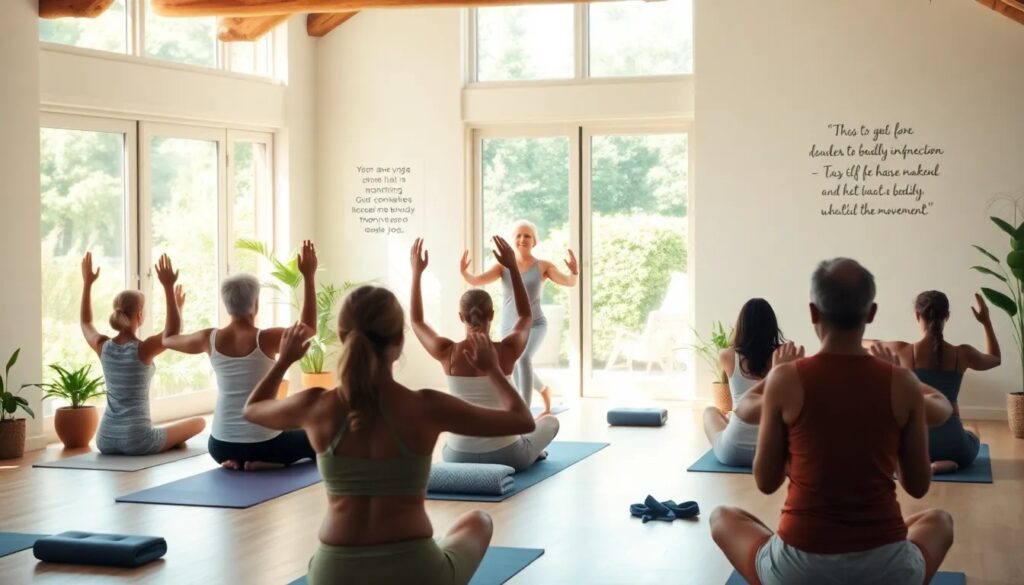
A somatic yoga certification is a training program that teaches you to combine yoga with somatic movement principles — slow, internally focused movement aimed at retraining how the nervous system holds tension. There is an important fact to understand up front: there is no single official accrediting body for somatic yoga. Programs range from weekend workshops to multi-hundred-hour trainings, some registered with Yoga Alliance as continuing education and others fully independent, so the value of any certificate depends entirely on the quality of the specific program behind it.
This guide explains what these programs typically cover, the main types available, and how to evaluate one before paying. For a deeper look at the dedicated training path, see our companion guide to somatic yoga teacher training.
- What "Certification" Actually Means in This Field
- What Is Somatic Yoga — and What Does Certification Add?
- Types of Somatic Yoga Certification Compared
- What a Solid Curriculum Covers
- Who Enrolls — and Do You Need a 200-Hour First?
- How to Evaluate a Program Before You Pay
- Online, In-Person, Retreat, or Self-Paced?
What "Certification" Actually Means in This Field
The word "certification" gets used loosely. Some programs award a certificate of completion after a short course; others issue a credential tied to a longer training with a practicum and assessment. Neither is "official" in the way a state license is, because no governing body accredits the field as a whole. Yoga Alliance, the most widely referenced registry for yoga teachers, lists schools (RYS) and credentials (RYT) for yoga generally, and accepts somatic training as continuing education; it does not endorse specific somatic methodologies.
What that means in practice: a certificate is only as strong as the school, the faculty, and the curriculum behind it. Two programs with the same word on the page can differ enormously in rigor. The rest of this guide helps you tell them apart.
What Is Somatic Yoga — and What Does Certification Add?
Somatic practices, influenced by lineages such as Hanna Somatics and Feldenkrais, emphasize interoception: sensing movement from the inside rather than achieving an external shape. In a somatic yoga class, movements are smaller and slower than in conventional asana practice, with attention on releasing habitual muscular tension. If the style is new to you, start with our overview of what somatic yoga is and how it works.
Certification adds the teaching layer: how to sequence somatic explorations, how to cue internal awareness rather than alignment, how to work with students carrying chronic tension or stress, and — in better programs — grounding in basic nervous system science so you understand why the techniques work.
Types of Somatic Yoga Certification Compared
| Program type | Typical length | Who it suits | What to check |
|---|---|---|---|
| Short online course | 10–50 hours | Teachers adding somatic tools to existing classes | Whether it counts as Yoga Alliance continuing education, if that matters to you |
| Comprehensive somatic yoga training | 50–300 hours | Teachers wanting to lead dedicated somatic yoga classes | Practicum hours, feedback on your teaching, faculty background |
| Trauma-informed yoga certification | 20–60 hours | Teachers working with trauma-affected populations | Whether faculty include mental health professionals; scope-of-practice guidance |
| Somatic movement education (non-yoga) | Often multi-year | Those pursuing somatics as a primary profession | Recognition by somatic movement professional associations |
If your interest leans toward gentle, prop-supported teaching rather than nervous system work specifically, compare with a restorative yoga certification — the audiences overlap, but the methods differ.
What a Solid Curriculum Covers
- Foundational somatic movement patterns and how they integrate with yoga postures.
- Nervous system basics: stress responses, interoception, and the reasoning behind slow movement — taught accurately, without overstated claims.
- Cueing and language: guiding attention inward, offering invitation-based instruction instead of commands.
- Working with common tension patterns and adapting for different bodies and abilities.
- Scope of practice: a serious program is explicit that yoga teachers are not therapists and teaches when to refer students to qualified health professionals.
- Supervised practicum: teaching practice with structured feedback — the component most often missing from cheap online courses.
Who Enrolls — and Do You Need a 200-Hour First?
Most students are already yoga teachers adding a specialization, but many programs also accept movement professionals, therapists, and committed practitioners. Few somatic certifications formally require a 200-hour credential. That said, if you intend to teach group yoga classes, the standard path is still a 200-hour foundation first, with somatic training layered on top — studios and insurers generally expect the base credential. For broader context on training options in this category, see our main yoga teacher training guide.
How to Evaluate a Program Before You Pay
- Research the lead teachers. What is their actual training lineage in somatics? Years of teaching? Anyone can put the word somatic in a course title.
- Ask for the full syllabus and hour breakdown — lecture versus practice versus practicum.
- Check independent reviews and, ideally, speak to a recent graduate.
- Confirm credential status: is it Yoga Alliance continuing education, part of an RYS program, or purely a school certificate? None of these is inherently better, but you should know what you are buying.
- Be skeptical of medical claims. Programs promising to cure trauma or chronic pain are overreaching — the evidence base for somatic methods is promising but limited, and honest programs say so.
- Compare total cost against scope. Short online certificates typically cost less than longer, practicum-heavy trainings, but the price tag alone is not a quality signal. Use our guide to yoga teacher training costs as a general sense of how specialized programs are priced across the field.
Online, In-Person, Retreat, or Self-Paced?
Format matters more than many comparison pages admit. Fully online and self-paced programs offer flexibility and tend to be more affordable, but the slow, internal nature of somatic work benefits enormously from live feedback on your cueing. In-person and hybrid formats are stronger for the practicum component. Retreat-style intensives can compress a multi-week curriculum into days, which works for some learners and not for others. Pick the format that matches how you actually learn, not the one with the best marketing.
This article is general information, not medical or mental health advice. Somatic and trauma-informed practices can surface strong physical and emotional responses; if you live with trauma, chronic pain, or a health condition, work with qualified healthcare professionals alongside any yoga training.
No. There is no single governing body that accredits somatic yoga. Certificates are issued by individual schools, sometimes recognized by Yoga Alliance as continuing education. The credibility of any certification rests on the program and the teachers behind it, not on the word certified itself.
Not always as a formal prerequisite. Many programs accept movement professionals and committed practitioners. If you plan to teach group yoga classes, studios and insurers typically expect a 200-hour foundation, so the standard path is the base credential first, then somatic specialization.
Yes. Many reputable programs run fully online, and the verbal-cueing nature of somatic teaching translates to video well. Verify whether the program includes live feedback on your teaching, not just recorded lectures.
Costs vary widely by program length, format, and institution. Short online courses tend to cost less than longer, practicum-heavy trainings. Compare hours, faculty experience, and supervised teaching practice rather than the headline price.
Yes. Somatic yoga blends slow, internally focused movement with traditional asana, often drawing on lineages such as Hanna Somatics and Feldenkrais, with an emphasis on interoception and nervous-system regulation.
Have a correction? Contact us.
Recommended: