Plus Size Yoga: Modifications, Props, and Finding a Class That Fits

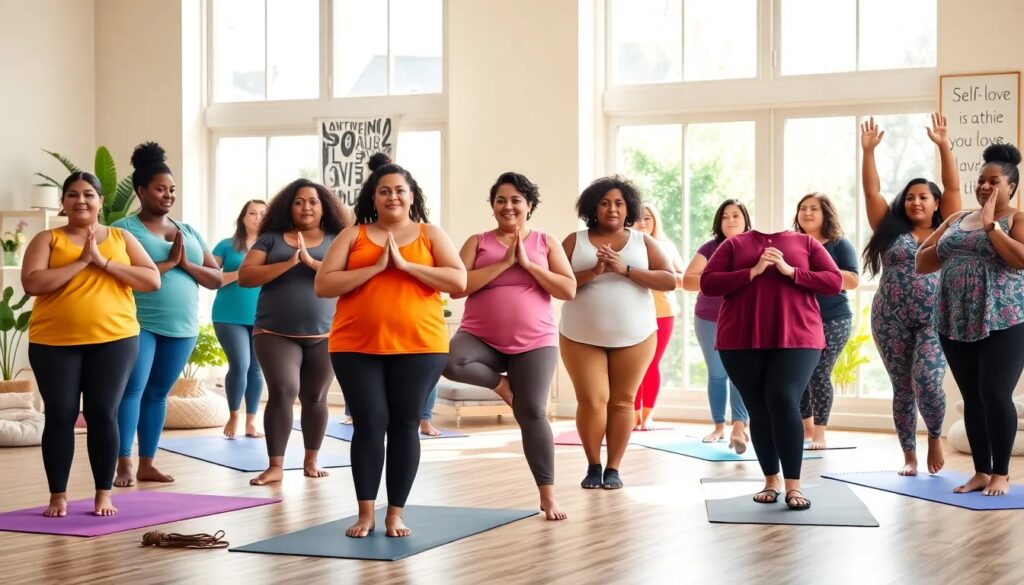
Plus size yoga is simply yoga adapted to work well in a bigger body: wider stances, smart use of props, and modifications that make room for the belly, chest, and thighs instead of pretending they are not there. You do not need to lose weight, touch your toes, or buy special equipment to start — you need a teacher (or a guide like this one) who knows which adjustments actually help. This article covers the modifications that matter most, the props worth having, and how to find a class where you will feel welcome rather than tolerated.
Can You Do Yoga in a Bigger Body?
Yes — and not a watered-down version of it. Yoga postures were never designed for one body type, and nearly every pose has variations that preserve its purpose while changing its shape. A wider stance in a forward fold still stretches the hamstrings. A block under the hand in a side angle pose still opens the chest. The benefit comes from what a pose does, not what it looks like.
Teachers such as Amber Karnes (Body Positive Yoga), Michael Hayes (Buddha Body Yoga), Dianne Bondy, and Jessamyn Stanley have spent years documenting how to adapt postures for larger bodies, and their work has pushed mainstream teacher trainings to include accessible variations. If you are brand new to the practice itself, our yoga for beginners guide covers the foundations that apply to everyone, whatever their size.
Is there a weight limit for yoga?
No. There is no weight limit for practicing yoga. Poses are adapted with props, wider stances, and chair or wall support so the practice fits your body, and standard equipment (mats, blocks, straps) works at any size. What changes as you go up in weight is which modifications and props you reach for first — not whether you can practice.
Pose Modifications That Actually Help
Most plus size modifications follow two principles: make space (move flesh, widen the base) and bring the floor closer (use props instead of straining). Here are the adjustments experienced teachers reach for first:
- Child's Pose: take the knees wide — wider than the mat if needed — so the belly and chest rest between the thighs. A cushion under the hips or chest adds support.
- Forward folds: step the feet hip-width or wider and bend the knees generously. Resting hands on blocks or a chair seat keeps the stretch in the hamstrings, not the lower back.
- Twists: physically move the belly aside with a hand before rotating. This is not cheating — it lets the spine do the twisting.
- Lunges and Warrior poses: shorten and widen the stance for stability, and use a wall or chair for balance until your base feels solid.
- Down Dog alternatives: practice the same shape with hands on a chair seat, countertop, or wall. You get the shoulder and hamstring work without loading the wrists.
- Floor transitions: getting down and up is its own skill. Use a chair or blocks as waypoints, and know that many full classes can be done seated — see our guide to seated yoga poses.
Props Worth Having (and What Each One Does)
| Prop | What it does for you | Budget alternative |
|---|---|---|
| Two blocks | Bring the floor up in folds, lunges, and seated poses | Thick hardcover books |
| Strap | Extends your reach in hamstring stretches and binds | Bathrobe belt or towel |
| Sturdy chair | Balance support, Down Dog alternative, full seated practice | Any armless dining chair |
| Bolster or cushion | Support under hips, knees, or chest in resting poses | Firm couch cushion |
| Thicker mat (6mm+) | Cushions knees, wrists, and tailbone on hard floors | Mat plus folded blanket |
If you practice on hard flooring, mat cushioning matters more in a heavier body — our guide to thick yoga mats explains the trade-offs between padding and stability.
Do I need a special plus size yoga mat?
No. A standard mat works fine, but thicker padding (around 6 mm) makes kneeling, tabletop, and Down Dog alternatives more comfortable on hard floors. Wider mats are also useful if your usual stance already fills a regular one — see the thickness guide above for what to look for.
How to Find a Genuinely Welcoming Class
The teacher matters more than the style. Before committing, email the studio and ask two questions: Do your teachers offer prop-based modifications as a normal part of class? and Have your teachers trained in adaptive or accessible yoga? A studio that answers warmly and specifically is usually a safe bet; a vague answer tells you something too.
Good starting points:
- Slower styles first. Hatha, gentle, restorative, or chair-based classes give you time to set up each pose. Our chair yoga for beginners guide is a low-pressure entry point.
- Look for accessible or body-positive class labels — many studios now run classes explicitly designed for bigger bodies.
- Online classes count. Practicing at home removes the self-consciousness barrier entirely, and several teachers named above offer dedicated online programs.
- Skip heated, fast vinyasa as a first class. Not because you cannot do it eventually, but because pacing and heat make modifications harder to learn.
What is the best yoga for overweight beginners?
Slower, less heated styles: hatha, gentle, restorative, and chair-based yoga. They give you time to set up props, adjust the pose for your body, and rest between postures. Save fast vinyasa and hot classes for when you already know which modifications you reach for — the heat and pace make on-the-fly adjustments harder.
What About Weight Loss?
Honest answer: yoga is not an efficient weight-loss tool, and chasing weight loss is the least reliable reason to stay on the mat. Slower styles burn modest calories, though stronger flows do count as moderate exercise — we break down the numbers in is yoga considered exercise. What yoga reliably delivers in any body is better mobility, balance, body awareness, and stress regulation — benefits that show up within weeks and do not depend on the scale moving.
Plus Size Yoga Clothes and Comfort
You do not need special "yoga clothing" to practice, but a few practical choices help. Look for high-waisted, opaque leggings or shorts that stay put when you bend, a top that covers the belly in forward folds, and a thicker waistband that does not roll when you twist. Cotton or cotton-blend fabrics breathe well in slower classes; moisture-wicking synthetics are worth it for heated rooms. If you are between sizes or have a larger waist-to-hip ratio, men's or unisex tops often fit better than women's cuts designed for a single size ratio.
Plus Size Yoga at Home vs Studio
Both work, and the best choice is the one you will actually do. At home, you control the mirror (or absence of one), the temperature, the pace, and when to skip a pose. A short beginner-friendly YouTube flow and a chair in the living room is enough for a first month. In a studio, you get a teacher watching your alignment, real-time adjustments, and the social part of practicing with others. If studio classes feel too exposing at first, alternate: two home sessions a week plus one studio class, then let the ratio shift as confidence grows.
This article is general information, not medical advice. If you have joint problems, cardiovascular conditions, or other health concerns, check with your healthcare provider before starting a new exercise practice.
No. There is no weight limit for practicing yoga. Poses are adapted with props, wider stances, and chair or wall support so the practice fits your body. Equipment like mats and blocks works at any size.
Slower styles such as hatha, gentle yoga, restorative yoga, or chair yoga are the easiest starting points because they give you time to set up props and modifications. Fast heated classes are better saved for later.
Two blocks and a strap cover most needs, with a sturdy chair as the most useful extra for balance support and seated practice. Household items like books, belts, and cushions work as substitutes while you decide what to buy.
Yoga is not an efficient weight-loss tool on its own. Slower styles burn modest calories, while stronger flows count as moderate exercise. Its most reliable benefits are mobility, balance, strength, and stress relief, which appear regardless of weight change.
Have a correction? Contact us.
Recommended: