How Long Should You Do Yoga? A Practical Guide by Goal and Level

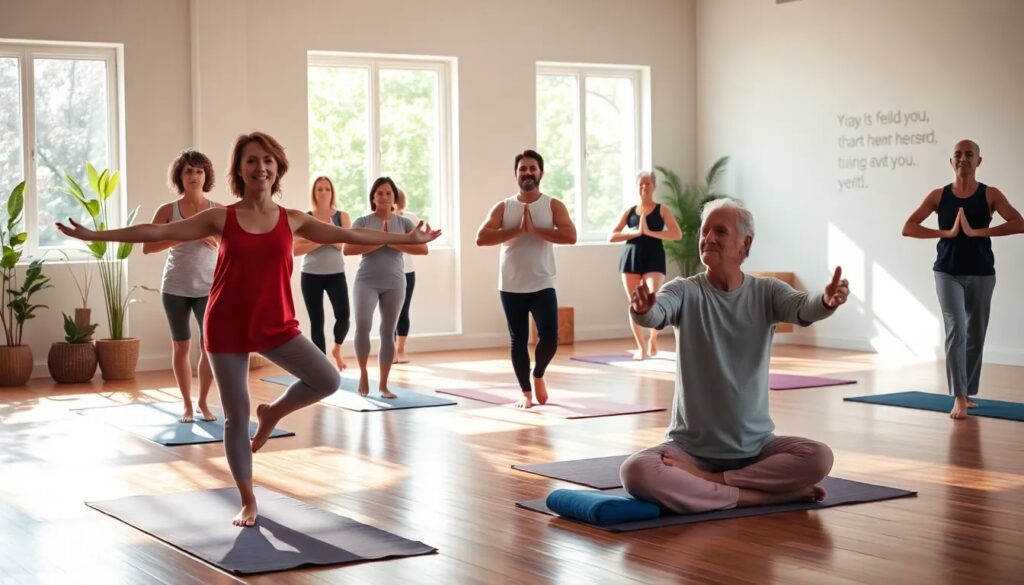
For most people, a yoga session of 20 to 45 minutes, practiced two to four times a week, is enough to produce noticeable gains in flexibility, strength, and stress relief within a couple of months. Beginners can start with as little as 10 to 15 minutes a day; experienced practitioners often settle around 60 to 75 minutes, which is the length of a typical studio class. The single most important rule: a short practice you actually repeat beats a long one you abandon.
That is the short answer. The right duration for you depends on what you want from the practice, so let us break it down by goal, level, and schedule. We cover the weekly-frequency side of this question in detail in how often should you do yoga.
- Recommended session length by goal
- How long should beginners do yoga?
- Does a 10-minute practice actually do anything?
- Does the style change the answer?
- How long until you see results?
- Signs you are doing too much — or too little
- Best time of day to do yoga
- Putting it together: a simple weekly template
Recommended session length by goal
| Your goal | Session length | Frequency | Notes |
|---|---|---|---|
| General health and mobility | 20–30 min | 3–4x per week | Mix of standing poses, hip and spine work |
| Flexibility | 30–45 min | 4–6x per week | Frequency matters more than duration; long holds help |
| Strength and fitness | 45–60 min | 3–4x per week | Vinyasa or power styles; allow recovery days |
| Stress relief and sleep | 10–30 min | Daily if possible | Gentle or restorative practice, breathwork |
| Weight management support | 45–60 min | 4–5x per week | Choose vigorous styles; pair with diet and walking |
| Back and posture care | 15–20 min | Daily | Short, consistent mobility work beats occasional long sessions |
Duration and frequency interact: thirty minutes four times a week generally beats one two-hour session, because tissues adapt to repeated loading, and the stress-relief effects are renewed each session.
How long should beginners do yoga?
Start smaller than you think you need to. A realistic progression looks like this:
- Weeks 1–2: 10–15 minutes, every other day. Learn a handful of foundational poses — cat-cow, downward dog, low lunge, child's pose — and basic breathing. A starter set of yoga poses for beginners covers the basics. The goal is habit, not achievement.
- Weeks 3–6: 20–30 minutes, 3–4 times a week. Add standing poses and simple sequences. Muscle soreness should be mild; sharp pain means back off.
- Months 2–3: 30–45 minutes. Try a full beginner class, in a studio or online. If you are drawn to flowing styles, our guide to vinyasa yoga for beginners explains how to start without getting overwhelmed.
- Beyond: settle where your life allows. Many long-term practitioners alternate full-length classes with short home sessions on busy days.
Jumping straight into daily 90-minute sessions is the most common way beginners burn out or strain something. Connective tissue is the slowest to adapt, so patience with the timeline is part of the practice.
Does a 10-minute practice actually do anything?
Yes — with caveats. Ten focused minutes of mobility work and slow breathing can reduce stiffness, interrupt a stressful day, and maintain a habit through busy periods. What a 10-minute session will not do is build significant strength or count as your only exercise; for that, look at longer or more vigorous sessions, and see our analysis of whether yoga counts as exercise against physical activity guidelines.
A useful mental model: short daily sessions maintain, longer sessions build. Both have a place in the same week.
As an Amazon Associate, we earn from qualifying purchases.


Does the style change the answer?
Considerably. The number of poses and the pace of the class are baked into the format, so a 30-minute hatha and a 30-minute power class are doing very different things. Some styles are designed around specific durations:
- Vinyasa and power yoga: typically 45–75 minutes; the flowing format needs time to warm up, build heat, and wind down. New to it? Start with what vinyasa yoga is.
- Hatha: 45–90 minutes at a slower pace, with longer holds and fewer poses, which is why even a short hatha session can feel complete.
- Bikram/classic hot yoga: a fixed 90-minute series of 26 postures; modern hot classes often run 60 minutes with rotating sequences.
- Yin and restorative: 45–75 minutes, because poses are held for several minutes each and the work happens at depth. A single restorative yoga pose can be worthwhile on its own at home.
- Desk-break or morning mobility routines: 5–15 minutes by design, focused on a small set of joints or movement patterns.
Two practical takeaways: first, if you only have 20 minutes, a slow hatha or yin-style session will give you more of what that format offers than a rushed vinyasa; second, if your goal is fitness, the style matters more than the clock — a 30-minute vigorous class can be a real workout, while a 30-minute gentle stretch is not.
How long until you see results?
Honest expectations, assuming 2–4 sessions a week of a moderate style:
- Immediately: most people feel calmer and looser after a single session — a real but temporary effect, useful for stress and sleep on the day, not a structural change.
- 2–4 weeks: familiar poses feel easier; balance and body awareness improve; movement off the mat often feels different (sitting, walking, lifting).
- 6–12 weeks: measurable flexibility gains and, with vigorous styles, visible strength and endurance changes — the window most people start to see and feel a clear difference.
- 6+ months: postural changes and deeper poses that depend on connective tissue adaptation. Tendons, ligaments, and fascia remodel on a longer cycle than muscle, which is why some of the most meaningful shifts (a deeper forward fold, a quieter resting posture) take months, not weeks.
These ranges describe what consistent practice tends to look like for most adults; individual timelines vary with sleep, stress, age, and what else you are doing. The pattern is the point: changes stack with regularity, not with single heroic sessions.
Signs you are doing too much — or too little
Too much: persistent joint soreness (especially wrists, shoulders, hamstring attachments), declining performance, dreading practice, or disrupted sleep after evening sessions. Scale back duration or swap a vigorous day for a gentle one.
Too little: no change in how poses feel after a month or two, or sessions so short and infrequent that each one feels like starting over. Add ten minutes per session or one session per week before changing anything else.

- STABILITY plus BALANCE: Yoga blocks provide the stability and balance needed in your practice to help with optimal alignment, deeper poses and increased strength
- DURABLE SUPPORTIVE FOAM: These lightweight and supportive foam blocks are constructed of a durable foam with a nonslip surface and beveled edges for easy gripping. Premium blocks are 50 percent denser than standard EVA blocks
- MODIFY plus ALIGN: Use under your hands, feet or seat (meditation) to ensure the proper alignment needed in order to safely support and modify poses to suit your level of flexibility If you feel tight, don't risk injury and grab a block or two
- EXTEND plus DEEPEN STRETCHES: Blocks make for the ideal yoga prop and companion, as they are an important tool in your practice to help extend, support and deepen your stretches while also working to increase your range of motion
- CARE INFO: Spot clean with mild detergent towel or air dry (Dimensions: 9 Inches W x 6 Inches H x 4 Inches D / Weight: 4.6 Ounce) Sold as 2 Pack

Best time of day to do yoga
Whenever you will actually do it consistently — that is the only honest answer. The body is stiffer first thing in the morning, so a slow warm-up matters; many people find mornings work for an energizing flow and pairing it with a short morning yoga routine sets the tone for the day. Evenings suit relaxation and deeper stretching, and a short restorative session or a guided yoga nidra for sleep can replace a wind-down screen habit. The time of day matters far less than the regularity.
Putting it together: a simple weekly template
Three common shapes, depending on your goal. None of them is a prescription — adjust until it survives a real week.
- Busy professional, general health: 4 sessions of 20–30 minutes, mixing short standing flows with one or two longer 30-minute sessions for hip and spine work. Daily 10-minute mobility on the other days if you can.
- Strength and fitness focus: 3–4 sessions of 45–60 minutes in a vigorous style (vinyasa, power, or hot), with two genuine rest days and a gentle 20–30 minute session on at least one of the in-between days.
- Stress, sleep, and recovery focus: 6–7 sessions of 10–20 minutes of restorative, yin, or breath-led work, plus one slightly longer 30-minute session once a week. Daily is fine at this intensity.
This article is general information, not medical advice. If you have an injury, a chronic condition, or are pregnant, check with a healthcare professional before starting or intensifying a yoga practice.
For general mobility, stress relief, and maintaining flexibility, yes — 20 minutes daily is a genuinely effective dose. For building strength or significant fitness, you will want some longer or more vigorous sessions in the mix.
Gentle yoga can be done daily without issue. Vigorous styles like power or hot yoga benefit from rest days or alternating with easy sessions, since muscles and connective tissue need recovery time just as with any training.
That length allows a full arc: warm-up, a main sequence that progresses safely, cool-down, and final relaxation. It is a convention built around teaching a group, not a minimum effective dose — home practice can be much shorter.
Whenever you will actually do it consistently. Mornings suit energizing practice but the body is stiffer; evenings suit relaxation and deeper stretching. The time of day matters far less than regularity.
Yes. Overuse injuries — wrists, shoulders, hamstring attachments — show up in people who practice vigorously every day without recovery. Persistent soreness, fatigue, or declining performance are signals to reduce duration or intensity.
Have a correction? Contact us.
Last update 2026-09-10. Price and product availability may change.
Recommended: