Yoga Retreat in Peru: Regions, Costs, Altitude and How to Prepare

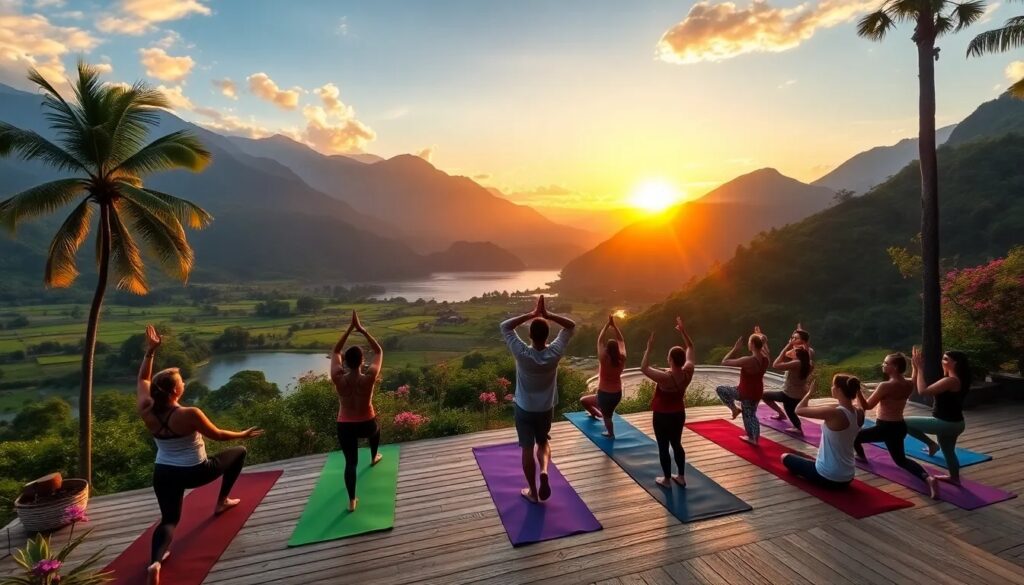
A yoga retreat in Peru usually means one of four settings: the Sacred Valley between Cusco and Machu Picchu, the city of Cusco itself, the cloud-forest gateway to Machu Picchu, or the Amazon basin. Most programs run 5 to 10 days and combine daily yoga and meditation with excursions to Inca sites, meals on-site, and an optional Machu Picchu visit. The single most important practical factor is altitude: Cusco sits at about 11,150 ft (3,400 m), so a well-run retreat plan always builds in acclimatization days before any vigorous practice begins.
Where to do a yoga retreat in Peru
| Region | Altitude | Vibe | Best for |
|---|---|---|---|
| Sacred Valley (Pisac, Urubamba, Ollantaytambo) | ~9,000–9,800 ft (2,800–3,000 m) | Rural, quiet, retreat-center hub | Most retreat-goers; easier acclimatization than Cusco |
| Cusco | ~11,150 ft (3,400 m) | Historic city, lively | Combining a retreat with sightseeing and culture |
| Machu Picchu area (Aguas Calientes) | ~6,700 ft (2,040 m) | Cloud forest, touristy | Short add-ons; few full retreats based here |
| Amazon basin (Iquitos, Puerto Maldonado, Tarapoto) | Low altitude | Jungle lodges, remote | Nature immersion; no altitude concerns |
The Sacred Valley has the densest concentration of established retreat centers and is where most international visitors end up. It sits noticeably lower than Cusco, which is why many itineraries route you to the valley first and save the city for the end of the trip.
What a typical Peru yoga retreat includes
- Daily yoga, often one dynamic morning session and one gentler evening session. Styles vary by retreat, from hatha and vinyasa to restorative practice.
- Accommodation and most meals, usually vegetarian and often built around local Andean ingredients such as quinoa, kiwicha and native tubers.
- Guided excursions to nearby sites such as Pisac or Ollantaytambo, local markets, hot springs, and frequently a Machu Picchu day trip as an add-on.
- Cultural elements such as despacho (gratitude) ceremonies led by local Andean practitioners. Quality varies, and the more respectful programs work with local communities rather than staging performances for guests.
Be aware that some programs in Peru also offer plant-medicine ceremonies (ayahuasca or san pedro). These are a fundamentally different undertaking, with real medical and legal considerations, and they are not part of a standard yoga retreat. If a program mixes the two, research the operator with particular care and look into the local legal status before booking.
How much a Peru yoga retreat costs
Pricing varies widely by program length, location, group size and what is bundled, and it changes with the season. As a broad qualitative picture of the 2025–2026 market for 7-day programs (excluding international flights):
- Budget tier: shared rooms in guesthouses or simple retreat centers, group classes, some excursions extra.
- Mid-range tier: private or twin rooms, all meals, most excursions included, established teachers.
- High-end tier: boutique lodges or restored haciendas, spa treatments, small groups, Machu Picchu usually bundled.
Always check what is genuinely included. Airport transfers, Machu Picchu entrance tickets, train fares, single supplements, and gratuities are common hidden costs. Refund policies matter too: Peru itineraries depend on train and entrance reservations that are often non-refundable, so a flexible cancellation clause is worth paying a little more for if your plans are not fixed.
Altitude: the factor to plan around
Altitude sickness can affect anyone above roughly 8,200 ft (2,500 m) regardless of fitness or yoga experience. Practical steps that experienced travelers and retreat organizers consistently recommend:
- Arrive 2–3 days before any vigorous practice begins, and treat the first days as gentle ones.
- Hydrate generously and go easy on alcohol and heavy meals for the first 48 hours.
- Choose a Sacred Valley base over Cusco if you are sensitive to altitude.
- Expect your practice to feel harder. Breath-heavy flows and long holds are more demanding with less oxygen, so scale back and let the teacher know how you feel.
- Talk to your doctor before the trip about altitude medication if you have any cardiovascular or respiratory condition, or are pregnant.
This article is general information, not medical advice. Consult a healthcare professional about altitude travel, especially if you have a medical condition or are pregnant.
How to vet a retreat before booking
- Check the teachers. Look for named instructors with verifiable training (for context on credentials, see our guide to Yoga Alliance certification) rather than a rotating anonymous staff.
- Read recent third-party reviews on booking platforms, not just testimonials on the retreat's own website.
- Confirm what is genuinely included: airport transfers, Machu Picchu tickets, single supplements and excursions are common hidden costs.
- Ask about group size and daily schedule. Two practices a day plus excursions can be exhausting at altitude; a good schedule includes rest.
- Match the style to your level. A vigorous vinyasa intensive at 9,500 ft is a different proposition from a gentle retreat. Our overview of yoga retreats covers the general questions to ask any organizer.
When to go
The Andean dry season, roughly May to September, offers the most reliable weather for excursions and is peak retreat season; book several months ahead. The shoulder months of April and October trade a small rain risk for fewer crowds. The wet season (November to March) brings green landscapes and lower prices, but trails can be muddy and the classic Inca Trail closes for maintenance each February. If your dates are flexible and a plant-based kitchen matters to you, many Peru retreats cater well to vegan and vegetarian eating; see our guide to vegan yoga retreats for the questions worth asking.
A note on Machu Picchu add-ons
Machu Picchu is the most common add-on to a Sacred Valley retreat, and many operators include a day trip by train from Ollantaytambo. Entrance tickets and train seats are limited per day and frequently sell out in high season (May to September), so book well ahead and confirm in writing whether the retreat's price covers them. If the add-on is not bundled, plan to book train and entrance yourself early; same-week availability in dry season is not guaranteed. For travelers who want a slower visit, two-day add-ons with an overnight in Aguas Calientes are also widely offered.
What to know about plant-medicine ceremonies
Peru is one of the main destinations worldwide for ayahuasca and san pedro ceremonies, and some retreat-style operators in the Sacred Valley and Iquitos area advertise both yoga and plant-medicine work in the same program. A few things worth knowing before you book a mixed program:
- Plant-medicine work is not a yoga practice. It involves psychoactive substances, specific medical screening (many programs exclude people on SSRIs, with cardiac conditions, or who are pregnant), and integration support.
- Retreat centers are not medical facilities. Reputable operators work with trained facilitators and have clear medical screening and emergency protocols; many do not.
- Local legal frameworks differ by region and by substance. Ayahuasca tourism in Peru exists in a specific legal context that has changed over time; check the current status before you commit.
If a program mixes the two, ask how the operator screens participants, what medical support is on site, and what integration follow-up is provided. A serious answer to those questions is a reasonable proxy for a serious program.
As an Amazon Associate, we earn from qualifying purchases.


FAQ
Costs vary widely by program length, location and what is included. Tiers typically run from budget guesthouse-based stays through mid-range established centers to high-end boutique or hacienda programs. Always confirm what is and is not included (Machu Picchu tickets, train, transfers, single supplements).
It can be. Cusco sits around 3,400 m and the Sacred Valley around 2,800–3,000 m, well above the 2,500 m threshold where altitude symptoms can start. Plan 2–3 gentle days to acclimatize, hydrate, go easy on alcohol for the first 48 hours, and expect vigorous flows to feel harder than at sea level.
Yes. Many Sacred Valley retreats include or offer a Machu Picchu day trip by train from Ollantaytambo. Confirm whether entrance tickets and train fares are bundled, since both often sell out in high season and are usually non-refundable.
May through September is the Andean dry season and the most reliable window for excursions. April and October are quieter shoulder months. November through March is greener and cheaper, but trails are wetter and the classic Inca Trail closes for maintenance in February.
Some operators offer ayahuasca or san pedro ceremonies. These are a different undertaking from a yoga retreat, with real medical and legal considerations. If a program mixes the two, research the operator carefully and check local regulations before booking.
Have a correction? Contact us.
Last update 2026-09-10. Price and product availability may change.
Recommended: