Can You Do Hot Yoga While Pregnant? What Doctors and Guidelines Say

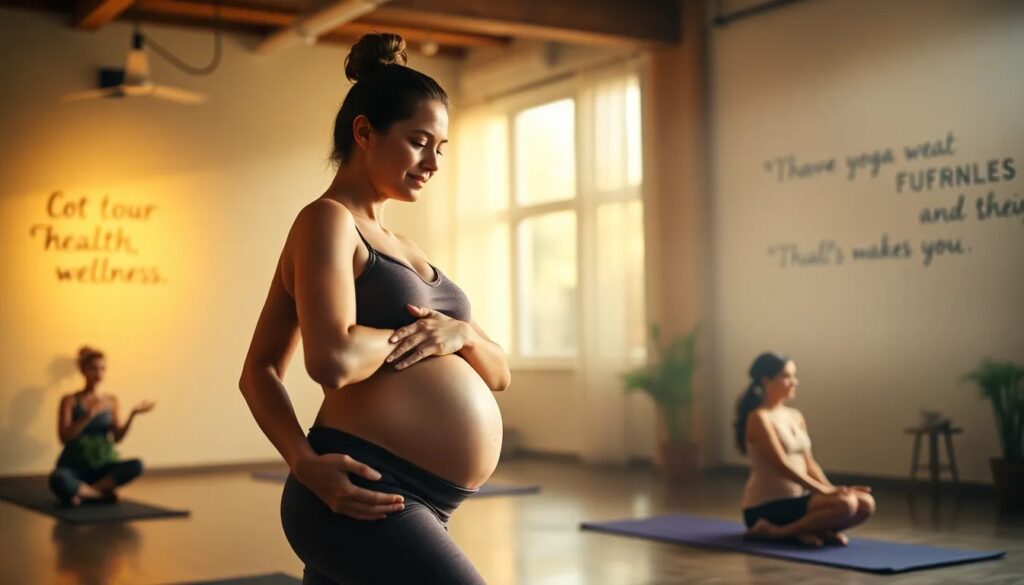
The short answer is no — hot yoga is generally not recommended during pregnancy. The American College of Obstetricians and Gynecologists (ACOG) explicitly lists “hot yoga” and “hot Pilates” among activities pregnant women should avoid, because exercising in a heated room can raise core body temperature to levels associated with fetal risk. The NHS gives the same general advice — avoid strenuous exercise in hot weather during pregnancy — and the Royal College of Obstetricians and Gynaecologists (RCOG) endorses the UK Chief Medical Officers’ physical activity guidelines for pregnancy. Regular, room-temperature prenatal yoga, by contrast, is actively encouraged. Here is what the guidance says, what changes by trimester, what to do in place of hot yoga, and how to return to your practice after the baby arrives.
Why is hot yoga risky during pregnancy?
The concern is not yoga itself — it is heat. Several factors stack together when a pregnant person spends 60–90 minutes in a heated room:
- Maternal hyperthermia. Elevated core body temperature, particularly during the first trimester, is associated with an increased risk of neural tube defects and other complications. A 2014 review in Canadian Family Physician by Chan, Natekar and Koren walks through the evidence and the practical advice clinicians give to pregnant patients who want to keep doing hot yoga.
- Reduced heat dissipation. Pregnant women already run warmer and are working harder at rest; a Bikram-style studio — see our piece on how hot Bikram yoga is — limits the body’s ability to shed that heat.
- Dehydration and dizziness. Heavy sweating plus pregnancy-related blood pressure changes increase the risk of lightheadedness and fainting, which in a crowded studio means real fall risk.
- Joint laxity. The hormone relaxin loosens ligaments during pregnancy. Heat further increases range of motion, making it easy to overstretch into joint positions you cannot safely support.
- Balance changes. A shifting center of gravity makes balancing poses riskier in any class; fatigue from heat compounds it.
What the official guidelines say
Three of the most widely cited bodies are consistent on this point:
- ACOG (US). In its patient FAQ “Exercise During Pregnancy”, ACOG lists “hot yoga or hot Pilates” under activities to avoid because they “may cause you to become overheated,” and adds that pregnant people should “avoid becoming overheated, especially in the first trimester.”
- NHS (UK). The NHS pregnancy exercise guide recommends avoiding any strenuous exercise in hot weather, drinking plenty of water, and stopping if you feel overheated, dizzy, or unwell.
- RCOG (UK). The RCOG patient information summarises the UK Chief Medical Officers’ physical activity guidelines, which back moderate-intensity activity in pregnancy and flag overheating as a risk to avoid.
The clinical evidence on heat and fetal development is summarised in the 2014 review “Hot yoga and pregnancy: Fitness and hyperthermia” published in Canadian Family Physician — a useful read if you want to understand the physiology rather than just the rule.
Does the risk change by trimester?
| Stage | Main concern with hot yoga | General guidance |
|---|---|---|
| First trimester (weeks 1–12) | Overheating during organ and neural tube development — the most heat-sensitive window | Avoid heated classes entirely |
| Second trimester | Dehydration, dizziness, joint laxity, growing balance changes | Heated classes still not recommended; unheated prenatal practice encouraged |
| Third trimester | Heat intolerance, swelling, fatigue, fall risk, positions on the back or belly | Avoid heat; favor gentle, modified, supported practice |
Some experienced hot yoga practitioners ask whether their heat acclimation changes the math. It may improve comfort, but it does not remove the core-temperature concern — and pregnancy itself changes how your body handles heat compared with your pre-pregnancy baseline. This is a conversation to have with your own obstetric provider, who knows your history.
What about “warm” or gentle heated classes?
Mildly warm rooms (often described anecdotally as around 80–85°F) are lower risk than a true hot studio, but no major society has published a precise safe temperature cutoff. The practical approach is:
- Ask the studio for the actual room temperature and how long the room is heated before class.
- Choose a gentle class with modifications rather than a flow that pushes intensity.
- Check with your obstetric provider before assuming “warm” is fine — your medical history and stage of pregnancy matter.
The same goes for any other heat exposure during pregnancy: hot tubs, saunas, and very hot baths carry the same overheating concern that ACOG flags for hot yoga.
Safe alternatives to hot yoga while pregnant
- Unheated prenatal yoga — the closest like-for-like swap, purpose-built for pregnancy. See our roundup of prenatal yoga poses and our trimester-by-trimester guide to starting prenatal yoga.
- Regular unheated Vinyasa or Hatha with modifications — fine for many in early pregnancy with their provider’s okay; tell the teacher you are pregnant.
- Walking and stationary cycling — simple cardiovascular options with low fall risk. ACOG specifically lists stationary cycling as one of the safest activities during pregnancy.
- Swimming and water aerobics — cooling, joint-friendly, and excellent late in pregnancy. The NHS highlights swimming as a top choice because the water supports your weight.
- Light strength training — maintains muscle for the physical demands of late pregnancy and the postpartum period, with pregnancy-safe programming.
- Pelvic floor and breathing work — useful for labour preparation and recovery; the NHS includes specific pelvic floor exercises in its pregnancy guidance.
For a broader overview of practicing yoga while pregnant, our pregnancy yoga guide is a good starting point. If you are wondering how a different heated practice compares, our piece on whether you can do aerial yoga while pregnant covers the same precautions for hammock-based classes.
Warning signs to stop and call your provider
ACOG’s patient guidance lists the warning signs that mean you should stop exercising and contact your ob-gyn:
- Bleeding from the vagina
- Feeling dizzy or faint
- Shortness of breath before starting exercise
- Chest pain
- Headache
- Muscle weakness
- Calf pain or swelling
- Regular, painful contractions of the uterus
- Fluid gushing or leaking from the vagina
In any heated environment specifically, also treat nausea, confusion, or the sudden absence of sweating as signs of dangerous overheating and stop immediately.
Returning to hot yoga after pregnancy
The good news: this is a pause, not an ending. Most practitioners can return to heated classes postpartum once cleared by their provider — a conversation that typically happens at the postpartum checkup, and later after a cesarean or complications. The NHS encourages a gradual return to activity after birth, and the same applies to hot yoga specifically.
A few practical notes for the return:
- Build back gradually. Your heat tolerance drops quickly when you have not been in the room for months.
- Hydration matters more if you are breastfeeding, since fluid output increases.
- Joint laxity can persist for several months postpartum thanks to relaxin, so ease into deep ranges.
- If you are still undecided about hot yoga in general, our overview of whether hot yoga is good for you covers the benefits and risks for the general population, and our guide to the benefits of hot yoga explains what you are getting back to.
- If you are breastfeeding, see our piece on doing hot yoga while breastfeeding for the specific hydration and timing considerations.
- When you are ready for a gentler restart, postnatal yoga is the bridge between your prenatal practice and a full hot class.
The bottom line
Skip the heated room while pregnant — ACOG, NHS and RCOG are consistent on this, and the first trimester is the most critical window. Keep the yoga: an unheated prenatal practice preserves most of what people love about hot yoga — movement, breath, stress relief, community — without the thermal risk. And make the final call with your own doctor or midwife, because individual circumstances vary.
This article is general information, not medical advice. Always consult your obstetrician, midwife, or other qualified healthcare provider about exercise during your pregnancy.
If you are trying to conceive or think you might be pregnant, switch to unheated classes now, because the neural tube develops in the first weeks and that is the most heat-sensitive window. If you attended hot classes before finding out you were pregnant, do not panic, but mention it to your provider at your first appointment so they can reassure you based on your specific situation.
Mildly warm rooms, often described as around 80 to 85 degrees Fahrenheit, are lower risk than a true hot studio, but no major medical society has set a precise safe temperature cutoff. Ask the studio for the actual room temperature, choose a gentle class, and check with your obstetric provider before assuming warm is fine.
No major medical society has published a precise room temperature cutoff for exercise during pregnancy. The advice is simpler: avoid hot yoga, hot Pilates, saunas, and hot tubs, stay hydrated, wear loose clothing, and stop if you feel overheated, dizzy, or unwell. Your own obstetric provider can translate that to your situation.
Most providers discuss a gradual return to exercise at the postpartum checkup, typically around six weeks for an uncomplicated vaginal birth and later after a cesarean or complications. Ease back into heated classes slowly, hydrate well especially if you are breastfeeding, and expect your heat tolerance and joint stability to take a few months to fully return.
Hot Pilates falls into the same category as hot yoga. ACOG lists hot yoga and hot Pilates together as activities to avoid during pregnancy because both raise core body temperature in a heated room. The same guidance applies: skip the heated class while pregnant and choose an unheated, modified mat Pilates class instead.
Have a correction? Contact us.
Recommended: