Yoga Teacher Training in Peru: Altitude, Costs, and How to Choose a Program

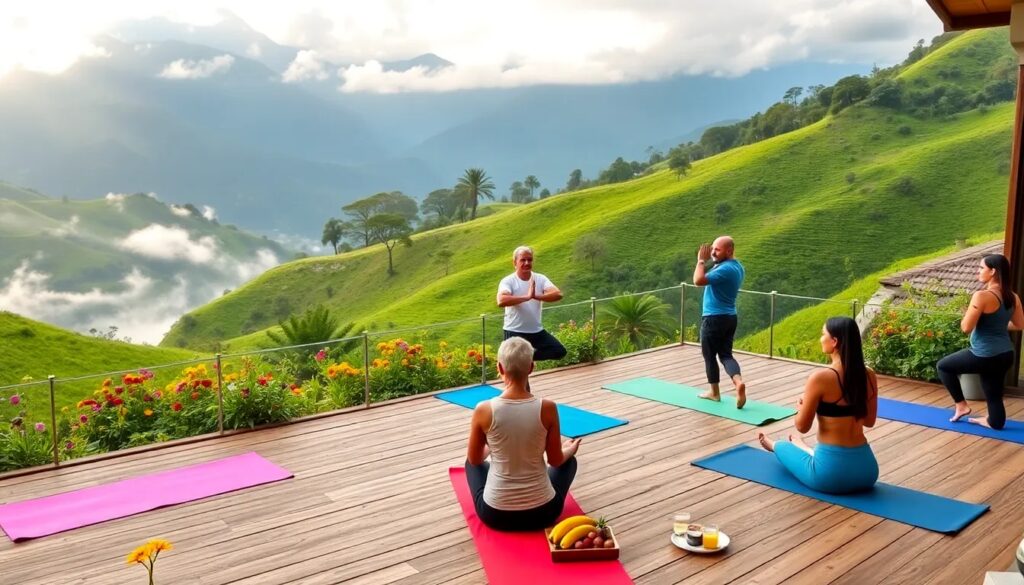
A yoga teacher training in Peru is typically a 3-to-4-week residential 200-hour program held in the Sacred Valley near Cusco, in Cusco itself, on the coast, or occasionally in the Amazon — and the single factor that distinguishes it from trainings anywhere else is altitude. Cusco sits at roughly 11,150 feet (3,400 m) and the Sacred Valley around 9,400 feet (2,870 m), which changes how the first week of intensive daily practice feels in ways no school brochure fully conveys. This guide covers the practical side: what programs include, realistic costs, the altitude question, seasons, and how to vet a school before wiring a deposit. For the broader picture on formats and international options, start with our main yoga teacher training guide, part of the teacher training and certification hub.
What a 200-hour training in Peru includes
The curriculum is the international standard, not a Peruvian variant: if the school is registered with Yoga Alliance, your 200 hours must cover asana technique and practice, teaching methodology, anatomy and physiology, philosophy and ethics, and supervised practicum. Graduating from a registered school lets you apply for the RYT 200 credential, the baseline studios and insurers recognize worldwide — the same certificate you would earn at home or in Bali. Our guide on how to become a yoga instructor walks through what happens after graduation.
Where Peru programs differ is the wrapper. Many integrate elements of Andean cosmology, ceremony, or excursions to sites such as Machu Picchu and the Sacred Valley ruins. Treat these as cultural enrichment and weigh them honestly: a despacho ceremony is a meaningful experience, but it does not replace anatomy hours, and a school leaning heavily on mystique over curriculum is showing you its priorities. Schools advertising plant-medicine ceremonies alongside teacher training deserve extra scrutiny — combining an intensive physical program with ayahuasca is a serious decision that reputable operators separate clearly, not bundle.
The altitude factor (read this before booking)
This is the section most Peru YTT articles skip. At Sacred Valley and Cusco elevations, most arrivals from sea level notice shortness of breath, disrupted sleep, headaches, and reduced physical capacity for the first several days — exactly when an intensive schedule of two daily asana practices begins. Practical implications:
- Arrive 2–3 days early to acclimatize before the program starts. Good schools recommend this themselves; the best build a gentle first week into the schedule.
- Expect your practice to regress temporarily. Sun salutations at 9,400 feet feel like someone turned the oxygen down, because someone did. It normalizes within one to two weeks.
- Hydrate aggressively and skip alcohol during the first days; both meaningfully affect acclimatization.
- Coastal and Amazon programs avoid the issue entirely — if you have a heart or lung condition, or altitude worries you, choose a low-elevation program and discuss the trip with your doctor first.
Choosing a location
| Location | Elevation | Character | Best for |
|---|---|---|---|
| Sacred Valley (Pisac, Urubamba, Ollantaytambo) | ~9,000–9,800 ft | Quiet retreat settings, Andean scenery, most YTT activity | Immersion seekers who handle altitude well |
| Cusco city | ~11,150 ft | Urban base, colonial center, highest elevation | Those who want city life between sessions |
| Coast (Lima area, northern beaches) | Sea level | Surf-town energy, no acclimatization needed | Anyone avoiding altitude; beach practice |
| Amazon basin | Low elevation | Jungle lodges, heat and humidity, remote | Nature immersion; tolerant of basic comfort |
If Sacred Valley altitude doesn't appeal, coastal Peru sits alongside Costa Rica as a low-elevation alternative, without the acclimatization curve.
Online and hybrid options
A full 200-hour training in Peru can't be completed entirely online — the format requires supervised practicum hours and hands-on adjustment. What some schools do offer is a hybrid structure: anatomy, philosophy, and teaching-methodology coursework online at your own pace, followed by a shorter in-person intensive in the Sacred Valley or Cusco to cover asana practice and the supervised teaching hours. Our overview of online yoga teacher training covers how these hybrid formats work more generally, including which credentials accept them. If a school markets a training as fully online, verify with Yoga Alliance whether that structure still qualifies for RYT 200 registration before enrolling.
What it costs
Peru sits in the mid-range of international YTT destinations. Reasonable expectations for a residential 200-hour program:
- As of 2026, expect roughly $2,000–$3,500 all-inclusive (tuition, shared accommodation, most meals) for the typical Sacred Valley program; simpler operations dip lower, boutique settings with private rooms run higher. Treat this as a starting range, not a quote — confirm current pricing directly with the school before budgeting.
- Flights are usually the largest add-on for North Americans and Europeans, plus the Lima–Cusco connection for highland programs.
- Extras: Machu Picchu entry and train (often not included even when the excursion is organized), travel insurance, tips, and spending money — budget a few hundred dollars.
- Visas: most Western nationalities receive a free tourist entry for up to 90 days on arrival, comfortably covering a training; confirm current rules for your passport before booking.
For comparison shopping across destinations, our breakdown of yoga teacher training in Bali covers the other most popular international option — generally similar pricing with opposite geography. For a broader look at what drives YTT pricing worldwide, see our guide to yoga teacher training costs.
300-hour and advanced trainings
Peru has far fewer 300-hour programs than 200-hour ones, and availability shifts year to year as schools decide whether to run an advanced cycle at all. A 300-hour training typically builds on an existing RYT 200 with deeper anatomy, adjustments, and a specialization — yin, prenatal, or Andean-influenced tracks are common locally — and combined with a 200-hour it satisfies the 500-hour RYT tier. Because the offering is thin, don't assume a school runs a 300-hour cycle just because it appears in a directory listing; confirm directly with the school whether it's scheduled for your target dates.
When to go
The Andean dry season, roughly May through September, offers reliable sun and cold, clear nights — peak season for Sacred Valley trainings. The wet season (November to March) brings afternoon rain and fewer crowds, and some schools discount it. Coastal programs run on the opposite logic: Lima’s coast is grey from June to October and sunniest December through April.
How to vet a Peruvian school: checklist
- Verify Yoga Alliance registration directly in the YA online directory, not just a logo on the website.
- Ask for the day-by-day curriculum and check the contact hours against the 200-hour standard categories.
- Identify the lead trainers and how many hours they personally teach — some schools sell a famous name who appears twice.
- Read graduate reviews on independent platforms, looking specifically at comments about food, altitude support, and teaching practicum quality.
- Ask how the first week handles acclimatization for highland programs — a school with no answer has not thought about your safety.
- Clarify what excursions cost extra, Machu Picchu especially.
- Check the refund and transfer policy before paying a deposit, and buy travel insurance that covers trip interruption.
Before departure, our checklist on how to prepare for yoga teacher training covers the study and practice groundwork, and if you plan to teach immediately after, sort out coverage early — see whether yoga teachers need insurance (short version: in practice, yes).
As of 2026, most residential 200-hour programs cost roughly $2,000 to $3,500 including tuition, shared accommodation, and most meals. Add international flights, the Lima to Cusco connection for highland programs, and extras like Machu Picchu entry and travel insurance; confirm current pricing directly with the school before booking.
It is the main practical challenge. Cusco sits at about 11,150 feet and the Sacred Valley around 9,400, so expect reduced capacity, disrupted sleep, and breathlessness for the first several days. Arrive two to three days early, hydrate well, and choose a coastal program if you have heart or lung conditions — after consulting your doctor.
Yes, provided the school is registered with Yoga Alliance. Graduates can apply for the RYT 200 credential, which studios and insurers recognize worldwide — the certificate carries the same weight as one earned in the US, India, or Bali.
For Sacred Valley and Cusco programs, the dry season from May through September offers the most reliable weather. The wet season is quieter and sometimes cheaper, with rain concentrated in afternoons. Coastal programs are best December through April.
Not for the full 200-hour credential — it requires in-person, supervised practicum hours that can't be done remotely. Some schools do offer a hybrid structure, with anatomy and philosophy coursework online and a shorter in-person intensive in Peru for the practicum. If a program is marketed as fully online, verify with Yoga Alliance that it still qualifies for RYT 200 registration.
Most Western nationalities receive free tourist entry for up to 90 days on arrival, which comfortably covers a 3-to-4-week training plus travel. Entry rules change periodically, so confirm current requirements for your passport before booking.
Teacher training at high altitude involves hours of daily physical practice in a low-oxygen environment. This article is general information, not medical advice — if you have cardiovascular, respiratory, or other health conditions, or are pregnant, consult a healthcare professional before enrolling in a highland program. Have a correction? Contact us.
Recommended: