Yoga Teacher Training in London: Formats, Costs, and How to Choose

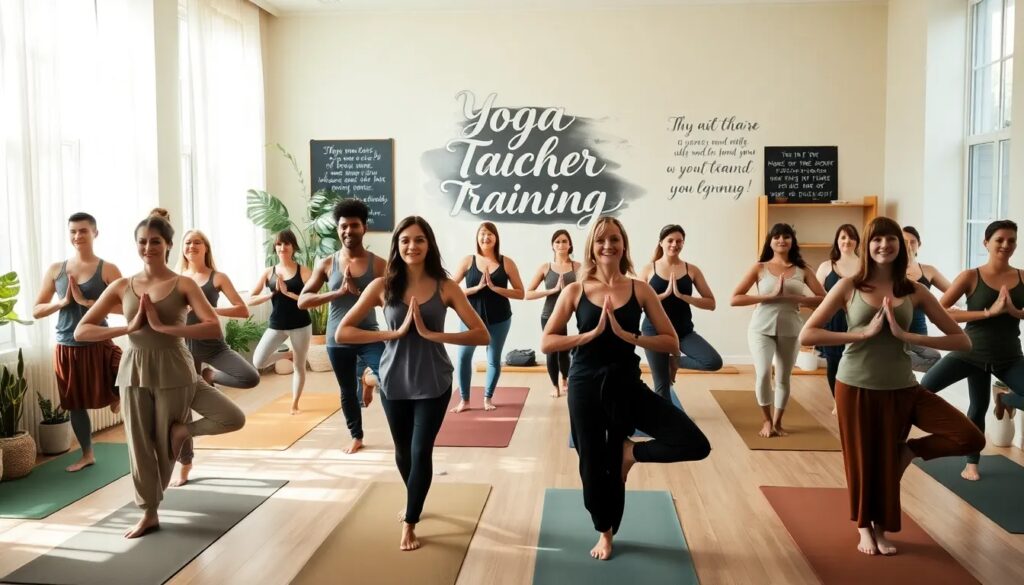
A 200-hour yoga teacher training in London is a foundational certification recognized by studios and insurers across the UK. London schools run it in one of three formats — a roughly month-long full-time intensive, a part-time course spread over weekends and evenings for several months, or a hybrid that splits theory and practice. The city has one of the densest yoga training markets in Europe, which means genuine choice in styles and schedules, and a real need to filter the options with a shortlist process rather than booking the first convenient date.
Training formats compared
| Format | Duration | Suits | Trade-off |
|---|---|---|---|
| Full-time intensive | Around four weeks | Career changers, people between jobs, those who can take leave | Little time to digest material between sessions; hard to combine with a regular job |
| Part-time weekends | Several months, often running across a calendar year | Working professionals and parents | Long commitment; momentum can dip between modules; more cross-London travel |
| Hybrid (online theory + in-person practice) | Varies by school | Flexible schedules, tighter budgets, students outside the M25 | Less in-room teaching practice unless the school compensates with intensive weekends |
Part-time is the most common London format because it fits around full-time work. If you are weighing studying abroad instead — a popular alternative with a different cost profile — start with our guide to yoga teacher training in Bali.
Accreditation: the three names that matter in the UK
- Yoga Alliance (US): the global registry most international studios recognize. A school registered here lets you register as RYT-200 after graduating. See our full guide to Yoga Alliance certification for how the registry works.
- Yoga Alliance Professionals (UK): a separate UK-based organization, despite the similar name. Well regarded in Britain; check which one a school actually means when it says "accredited."
- British Wheel of Yoga: the longest-established national yoga organization in the UK, with its own longer, more academically structured qualifications. It is the body that historically speaks for yoga to UK sport and education authorities.
None of these is legally required — yoga teaching is unregulated in the UK — but studios and insurers commonly ask for one of them. Verify any accreditation claim on the registry website itself, not on the school's marketing page. For a broader UK picture outside London, see our yoga teacher training in the UK overview.
What it really costs
Beyond the headline tuition, budget for the items that almost every London program adds on:
- Books and materials: most courses set required reading and may bundle a manual.
- Class passes: many programs require attending a set number of regular classes at the host studio while you train.
- Travel time and cost across London for weekend modules — trivial on paper, significant over several months.
- Registration and insurance after graduating: registry membership and public liability insurance are recurring annual costs once you start teaching.
Payment plans are widely offered, and early-bird pricing is common. A cheaper route for the theory-heavy portion is a hybrid or fully online yoga teacher training, though in-person teaching practice remains the part employers and studios care most about.
Can you start yoga teacher training in London as a total beginner?
Most 200-hour courses in London accept committed beginners — you do not need a prior teaching qualification to enrol. What schools do expect is a steady personal practice, typically one to two years of regular classes, so that the training builds on a body of experience rather than introducing you to yoga from scratch. If you have practised for less than a year, look for a school that explicitly welcomes newer students and offers a pre-course foundation module, and book a taster weekend or a month of drop-in classes with the lead trainers before committing.
How to choose a London program: a working shortlist process
- Pick your style first. London schools train in everything from traditional hatha to dynamic vinyasa and hot yoga formats. Train in the style you actually want to teach; our breakdown of the 200-hour yoga teacher training explains what every curriculum shares regardless of style.
- Attend regular classes with the lead trainers before committing. A month of drop-ins tells you more than any open day.
- Check the trainer-to-student ratio and how much supervised teaching practice you get. This is the single biggest quality differentiator.
- Ask for graduate outcomes: where do alumni teach now? Schools proud of their graduates will tell you.
- Read the contract: deferral policy, refund terms, and what happens if you miss a module.
- Scrutinize any "free" or heavily discounted 200-hour offer. A genuine fully-funded 200-hour in London is rare; most free or low-cost routes are teacher-scholarship schemes, assistant roles, or community projects with limited places and a service commitment in return. Check the school's accreditation, the hours actually delivered, and what the contract asks of you before you commit your time.
After the 200 hours
Most new teachers in London start with cover classes, community centres, and gym chains before landing studio slots. Advanced 300-hour programs (for the RYT-500 designation) and specializations — such as yin yoga teacher training — are widely available in the city once you have teaching hours behind you. Plan to keep studying: the 200-hour course is a foundation, not a finish line.
Frequently asked questions
Tuition varies widely by school, format, and what is included. Add books, required class passes, and post-graduation registration and insurance for the true total.
Intensive formats finish in about a month full-time. Part-time weekend courses, the most common London format, run from several months up to a year alongside a regular job.
Legally no, since yoga teaching is unregulated in the UK. In practice, studios and insurers usually expect a 200-hour training recognized by Yoga Alliance, Yoga Alliance Professionals, or the British Wheel of Yoga.
London offers part-time formats that fit around work and lets you build relationships with local studios that may later hire you. Training abroad in an intensive can cost less overall and immerses you fully, but you return without a local network. Both produce the same certification level.
Most 200-hour courses accept committed beginners as long as you have a steady personal practice. Schools typically expect one to two years of regular yoga before enrolment, not a prior teaching qualification.
Have a correction? Contact us.
Recommended: