Yoga T-Shirts: How to Choose the Right Fabric, Fit, and Style


A yoga t-shirt has one job a regular tee cannot do reliably: stay out of your way. That comes down to three things — a fabric with enough stretch to follow full ranges of motion, sweat handling that matches your class, and a cut that does not slide over your head the moment you fold forward or hold downward dog. If a shirt passes those three tests, it will work for yoga regardless of what the label says.
This guide breaks down what separates a yoga-ready shirt from an ordinary one, how the main fabrics compare, how the fit should feel in actual poses, how to match style to your practice, what to look for when shopping online, and how to keep a good shirt performing wash after wash.
- What makes a t-shirt work for yoga?
- Yoga t-shirt fabrics compared
- The fit test: five poses to try before you commit
- Tee, tank, or long sleeve: matching style to your practice
- Care tips to make a yoga t-shirt last
- What to look for when shopping online
- Quick picks by practice type
- Frequently asked questions
What makes a t-shirt work for yoga?
Yoga puts demands on clothing that walking around town does not. Over the course of a class you reach overhead, fold in half, twist, lie on your back, and possibly invert. A shirt built for that needs:
- Stretch with recovery. A small percentage of spandex or elastane (usually 5–15%) lets the fabric move with you and snap back instead of bagging out at the shoulders and hem.
- Moisture management appropriate to the class. A gentle hatha or yin practice barely raises a sweat; a heated vinyasa class can soak a shirt through. The sweatier the class, the more a wicking fabric matters.
- A stay-put cut. A slightly longer hem, a closer fit through the torso, and flat or minimal seams keep the shirt in place during folds and inversions and prevent chafing during repeated movement.
None of this requires an expensive technical shirt. It requires checking the fabric blend and trying the shirt in the positions you actually practice — more on that test below.
Yoga t-shirt fabrics compared
The fabric determines most of how a shirt behaves once you start sweating. Here is how the common options stack up:
| Fabric | Feel | Sweat handling | Best for | Trade-off |
|---|---|---|---|---|
| 100% cotton | Soft, natural, breathable | Absorbs sweat and stays wet | Gentle hatha, yin, restorative | Heavy and clingy once damp; slow to dry |
| Cotton-spandex blend | Soft with light stretch | Better than pure cotton, still absorbent | Mixed-pace classes, everyday wear | Moderate drying time |
| Polyester blends | Smooth, lightweight | Wicks well, dries fast | Vinyasa, power, sweaty practices | Can hold odor over time |
| Nylon-spandex | Silky, body-hugging | Wicks well, very stretchy | Fitted styles, dynamic flows | Costlier; fit shows everything |
| Bamboo viscose | Very soft, drapey | Breathable, moderately absorbent | Low-sweat practice, sensitive skin | Less durable; can stretch out |
| Merino wool (light) | Soft, temperature-regulating | Manages moisture and resists odor | Travel, cool studios, layering | Highest cost; needs gentle care |
If you mostly practice heated or fast-paced classes, prioritize the synthetic wicking options — the same logic covered in our guide on what to wear to hot yoga. If your practice is slow and unheated, cotton is genuinely fine, and many practitioners prefer how it feels.
The fit test: five poses to try before you commit
Sizing charts cannot tell you how a shirt behaves in motion. Whether you are in a fitting room or testing a delivery at home before removing tags, run this quick sequence:
- Reach both arms overhead. The hem should stay at or below your waistband. If it rides up past your navel, the shirt is too short or too wide at the hem.
- Fold forward. The fabric should not pool around your neck and face.
- Hold a downward dog for five breaths. This is the decisive test — a shirt that slides toward your head here will annoy you in every class.
- Twist your torso side to side. Seams should not pull or dig at the shoulders or underarms.
- Sit cross-legged and round your back. Check that the back hem still covers your lower back.
The right fit follows the line of your body without compressing it. Too tight restricts breathing and movement; too loose turns into a curtain in inversions. Slightly fitted through the chest and waist with a longer hem is the sweet spot for most people.
Tee, tank, or long sleeve: matching style to your practice
Style is partly preference, but practice type pushes in clear directions. Tanks and fitted tees suit sweaty, dynamic classes where bare arms help with grip and cooling. A standard short-sleeve tee is the most versatile choice and offers shoulder coverage that some practitioners want for sun, modesty, or warmth. Long sleeves earn their place in cool studios and during slow practices where the body temperature drops in long holds.
Crop styles pair well with high-waisted leggings and remove the ride-up problem entirely, since there is no hem to slide. Graphic tees and tanks with sayings are a popular casual choice for studio-to-street wear, though heavier prints can feel stiffer against the skin in hot classes. If you are putting a full first-class outfit together, our overview of what people wear to yoga covers tops, bottoms, and what to bring, and there are separate answers on wearing shorts to yoga and whether to wear socks.
Care tips to make a yoga t-shirt last
Technical fabrics fail early mostly because of washing habits, not practice. To extend the life of a shirt you like:
- Wash cold and skip the fabric softener — softener coats wicking fibers and stops them from working.
- Turn the shirt inside out to reduce pilling against other garments.
- Air dry when possible; high dryer heat breaks down spandex and shortens the life of the stretch.
- For synthetic shirts that hold odor, an occasional soak in water with a cup of white vinegar before washing helps reset them.
- Wash sweaty shirts soon after class rather than letting them sit balled up in a bag.
The same fabric logic applies to bottoms — if you are curious how blends behave below the waist, see our guide to what yoga pants are made of.
As an Amazon Associate, we earn from qualifying purchases.
What to look for when shopping online
Buying yoga t-shirts online — whether from a brand site, a marketplace like Amazon, or a print-on-demand shop like Etsy — removes the fitting-room test, so the fabric description and the size chart have to do the work. Before you add to cart, check three things on the listing:
- Fabric blend, not just fiber name. "Cotton" alone is a different product from "95% cotton, 5% spandex." Listings that list the exact blend save you from guessing how much stretch you are actually getting.
- Model measurements and garment measurements. A photo of a 5'7" model in a size small is not useful if you are 5'2" or 6'. When the listing includes a flat-lay measurement table, measure a shirt you already own that fits and compare.
- Return policy on worn items. Some retailers will not accept returns once the tag is off or the shirt shows sweat. Others explicitly allow a test wear. This single detail often determines whether you can actually run the five-pose test above.
For shoppers searching specifically for yoga t shirts amazon, the same logic applies plus one extra: filter by recent reviews that mention fit and fabric feel, since the product detail page on Amazon often under-describes the material. A grid of popular options is a good starting point to compare cuts and price tiers side by side.


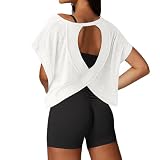
For a more specific cut, a single high-rated women's yoga tee gives you a closer look at one product. This is also where fit details like "runs small" or "long torso" tend to be documented in reviews.

- Material: Our V-Neck Graphic Tshirt for Women is made from a blend of 65% Cotton and 35% Polyester, ensuring it’s breathable and super comfortable to wear all day long. Perfect for those sunny beach days
- Cute Graphic: This shirt features an adorable beach graphic that’s perfect for vacations and casual outings. It’s the ideal funny oversized shirt that’ll keep you stylish while having fun
- Versatile Fashion: Whether you’re going for a laid-back look or something a bit dressier, this casual t-shirt can be matched with jeans, shorts, skirts, or jeggings.
- Great for Various Occasions: The cool street style of this shirt makes it suitable for a range of events, from country music festivals to shopping trips and parties. Dress it up or down – you’ll always look fabulous
- Care Instructions: To keep your graphic tee looking its best, avoid the dryer, dry cleaning, or bleach. Treat it right, and the fun print will stay vibrant and intact for all your adventures
Quick picks by practice type
If you want a shortcut without reading the whole fabric table, match the shirt to your dominant practice:
- Hot yoga, power vinyasa, sweaty flow: a lightweight polyester or nylon blend with 5–10% spandex. Wicks, dries fast, keeps shape.
- Hatha, yin, restorative, beginner classes: cotton or a cotton-spandex blend. Soft, breathable, cheaper, and slow classes do not punish the absorbency.
- Travel, layering, variable studio temperatures: a light merino or merino-blend tee. Temperature-regulating and odor-resistant across wears.
If you prefer a tank or a longer-line crop for the same practice, the same fabric rules apply — only the cut changes. The following grid pulls together popular tank options to compare alongside the tees above.


Frequently asked questions
Yes, for slow, unheated classes like hatha, yin, or restorative a regular cotton tee works fine. For sweaty or heated classes cotton becomes heavy and clingy once damp, so a wicking blend is more comfortable.
Slightly fitted is the practical middle ground. A shirt that follows the body without compressing it stays put in folds and inversions, while a very loose shirt slides toward your face in downward dog and a very tight one restricts breathing and movement.
Lightweight polyester or nylon blends with a small amount of spandex handle heavy sweat best — they wick moisture, dry quickly, and keep their shape. Pure cotton soaks through and stays wet for the rest of class.
Polyester fibers trap sweat oils and bacteria that normal wash cycles do not fully remove. Washing soon after class, skipping fabric softener, and an occasional pre-wash soak in water with white vinegar usually resets the fabric.
Have a correction? Contact us.
Last update 2026-09-10. Price and product availability may change.
Recommended: