Yoga for Constipation: 7 Poses and a 10-Minute Morning Routine

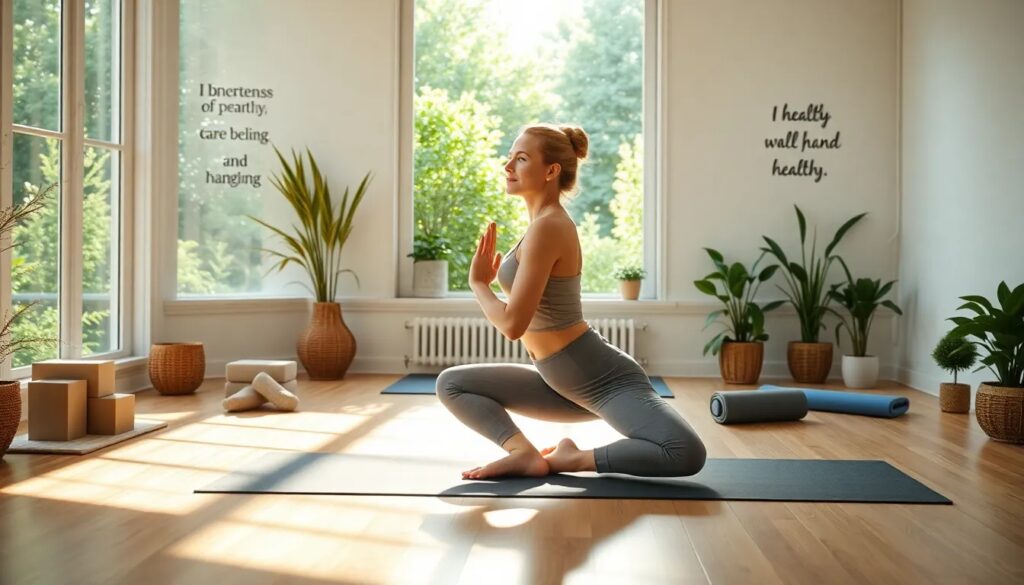
Yoga can help with mild, occasional constipation. Twisting and knee-to-chest poses gently compress the abdomen, which can encourage the wave-like muscle contractions (peristalsis) that move waste through the colon. Movement in general speeds up sluggish digestion, and the slow-breathing component lowers stress, which is a known contributor to constipation and IBS symptoms. The 7 poses and the 10-minute routine below target all three mechanisms and work especially well first thing in the morning, when the colon is naturally most active.
Health note: This article is general information, not medical advice. Occasional constipation is common and usually harmless, but persistent or severe symptoms deserve a medical evaluation. See the red flags section below.
How yoga may help with constipation
Three mechanisms make yoga a reasonable, low-risk option for mild constipation:
- Mechanical compression and twisting. Poses that fold the trunk forward or twist from side to side temporarily squeeze the abdominal organs, which can stimulate peristalsis.
- General movement. Physical activity is one of the most consistent non-dietary predictors of regular bowel habits. Walking, stretching, and gentle yoga all count.
- Stress reduction and the vagus nerve. Slow diaphragmatic breathing activates the parasympathetic nervous system ("rest and digest"), the state in which the gut actually moves things along. People whose constipation flares during stressful weeks often notice the connection.
For ordinary, occasional constipation, the case for yoga is built on these well-established mechanisms rather than on dramatic clinical effects. For constipation-predominant IBS, the same mechanisms apply, and gastroenterologists commonly recommend physical activity and stress management as part of routine care, alongside fiber, fluids, and any medication prescribed. Yoga is a reasonable, low-risk complement, not a replacement for medical care when something is genuinely wrong.
The 7 best yoga poses for constipation
| Pose | How it may help | Hold time |
|---|---|---|
| Wind-Relieving Pose (Pavanamuktasana) | Compresses the ascending and descending colon, releases trapped gas | 30–60 sec per side, then both knees |
| Supine Twist (Supta Matsyendrasana) | Wrings the abdomen, may stimulate gut motility | 30–60 sec per side |
| Seated Twist (Ardha Matsyendrasana) | Deeper abdominal compression and massage | 30 sec per side |
| Cat-Cow (Marjaryasana-Bitilasana) | Rhythmic compression and release of the belly | 8–10 slow rounds |
| Child's Pose (Balasana) | Gentle belly pressure against the thighs, relaxation | 1–2 min |
| Yogic Squat (Malasana) | Approximates the natural elimination posture, opens the pelvis | 30–60 sec |
| Seated Forward Fold (Paschimottanasana) | Compresses the abdominal organs, calms the nervous system | 1 min |
How to do the two most effective ones
Wind-Relieving Pose. Lie on your back. Hug your right knee to your chest (this side first, since it follows the direction the colon moves waste), hold for several slow breaths, switch legs, then hug both knees to the chest. The name is literal: expect it to do what it says. Many people find this pose, held for a minute or two, is the fastest way to get things moving.
Yogic Squat (Malasana). Stand with feet slightly wider than hips, toes turned out, and lower into a deep squat with palms together at the chest. If your heels lift, rest them on a folded blanket. This position approximates the squatting posture humans evolved to eliminate in, the same logic behind toilet footstools that raise the knees above the hips.
What if you need to go right now?
Start with a glass of warm water, then do 8–10 rounds of Cat-Cow, followed by Wind-Relieving Pose on each side and both knees. Response time varies a lot from person to person: some people feel a difference within minutes, others need longer, and some won't respond to yoga alone. If nothing happens, do not force a longer or deeper practice; try again after a meal or the next morning.
A 10-minute morning routine
Consistency matters more than intensity. The routine below works well as a daily habit, not as an emergency measure. If mornings are impossible, any time at least two hours after a meal is fine; our guide on doing yoga after eating covers the timing.
- Glass of warm water before you start. Fluid plus the gastrocolic reflex (the body's natural call to empty the bowel after eating or drinking) does a lot of the work.
- Cat-Cow — 10 slow rounds, syncing movement with breath (about 1.5 minutes).
- Child's Pose — 1 minute of slow belly breathing.
- Wind-Relieving Pose — right leg, left leg, then both legs (about 2.5 minutes).
- Supine Twist — 1 minute per side.
- Yogic Squat — up to 1 minute.
- Seated Forward Fold — 1 minute, then a few quiet breaths sitting upright.
If getting up and down from the floor is difficult, most of the twists in this routine adapt well to a chair; our seated yoga poses guide shows how.
Breathing: the overlooked half
Slow diaphragmatic breathing stimulates the vagus nerve, which shifts the body toward rest-and-digest mode, the state in which the gut actually works. Try 4–6 breaths per minute (inhale 4 counts, exhale 6) for two or three minutes during Child's Pose or at the end of your routine. For people whose constipation worsens with stress, this may matter as much as the poses themselves.
Lifestyle changes that multiply the effect
Yoga on its own is rarely enough for chronic constipation. The habits that make the biggest difference are unglamorous but consistent:
- Fiber from whole foods. Increase gradually to avoid bloating. Whole grains, beans, fruit, and vegetables all count.
- Fluids. Fiber without water can make things worse, not better. Most adults need several glasses of water across the morning.
- Routine. The bowel responds to regularity: similar wake time, similar meal times, unhurried bathroom time after breakfast.
- Movement. Walking counts; any activity beats none.
- Toilet posture. Knees above hips (a small footstool works) straightens the anorectal angle and makes evacuation easier.
If bloating is the main complaint rather than constipation, our guide to yoga poses for bloating covers that angle. For general digestive support, yoga for digestion takes the broader view. For gas specifically, yoga poses for gas focuses on quick-release poses.
As an Amazon Associate, we earn from qualifying purchases.

- NEW ECO FRIENDLY MATERIAL: The upgraded Gruper Yoga mat is made with premium friendly material. It costs more to make, but it is safer and more soft than traditional non-green PVC and EVA yoga mats.The exercise mats are suitable for many forms of Yoga, Pilates and fitness.
- UPGRADED ANTI-SKID DESIGN AND DOUBLE LAYER ANTI TEAR: Special sticky non slip texture on both sides , more Hard-wearing than regular yoga mats and resistant to tearing and deformation. Double layer structure coupled with a non-slip textured surface provides optimal grip without sacrificing comfort.
- TWO DIFFERENT SIZE OTPTIONAL : ①☛ Standard Size:72"(183cm) x 24" (61cm); Thickness: 0.24"(6mm); Weight: 2.6lb. ②☛ Thickened Size:72"(183cm) x 24" (61cm); Thickness: 0.32"(8mm); Weight: 3.1lb.
- CARE INSTRUCTIONS: 1.Clean with damp cloth (cold water) or mild detergent, dry flat. 2.Do not use a washing machine or dryer or exposed to the sun for extended periods of time. 3.Designed for barefoot exercise. Your shoes or your pets' paws may tear the mat.
- FREE CARRY STRAP & STORAGE BAG - No need to go buy a yoga carrying strap and bag. Easy to carry your yoga mat around with.you can carry to the gym or anywhere you want

Special situations
Pregnancy
Many of the same poses are helpful during pregnancy, but deep twists and strong abdominal compression should be modified or skipped, especially in the second and third trimesters. Stop any pose that causes discomfort, and check with your prenatal care provider before starting a new routine.
IBS with constipation (IBS-C)
Yoga tends to help because it addresses both the physical side (movement, gut motility) and the nervous-system side (stress, pain perception). It is a complement to medical management, not a substitute. If you have been diagnosed with IBS, keep working with your gastroenterologist.
When yoga is not enough: see a doctor
Yoga is for mild, occasional constipation. Book a medical appointment promptly if you notice any of the following:
- Constipation lasting more than three weeks despite diet and lifestyle changes
- Blood in the stool or black, tarry stools
- Unintended weight loss
- Severe abdominal pain, vomiting, or inability to pass gas
- A sudden, persistent change in bowel habits, especially after age 45–50
Wind-Relieving Pose (Pavanamuktasana) is the classic choice: hugging the knees to the chest compresses the colon and helps release trapped gas. The Yogic Squat (Malasana) is a close second because it approximates the natural elimination posture.
Twisting and knee-to-chest poses can release gas and trigger the urge to go within minutes for some people, but for genuine constipation expect to practice daily for several days to a couple of weeks before bowel habits become more regular. Yoga works best combined with fiber, fluids, and a consistent routine.
Yoga tends to help with IBS symptoms because it addresses both movement and stress, and gastroenterologists commonly recommend physical activity and stress management as part of routine IBS care. It complements, not replaces, medical management.
Drink a glass of warm water on waking, then spend 10 minutes on a gentle sequence of Cat-Cow, Child's Pose, and Wind-Relieving Pose. Give yourself unhurried time on the toilet after breakfast. Consistency across days matters more than any single session.
Have a correction? Contact us.
Last update 2026-09-10. Price and product availability may change.
Recommended: