Yoga Butt: What It Is, How It Happens, and the Glute Work Yoga Actually Does

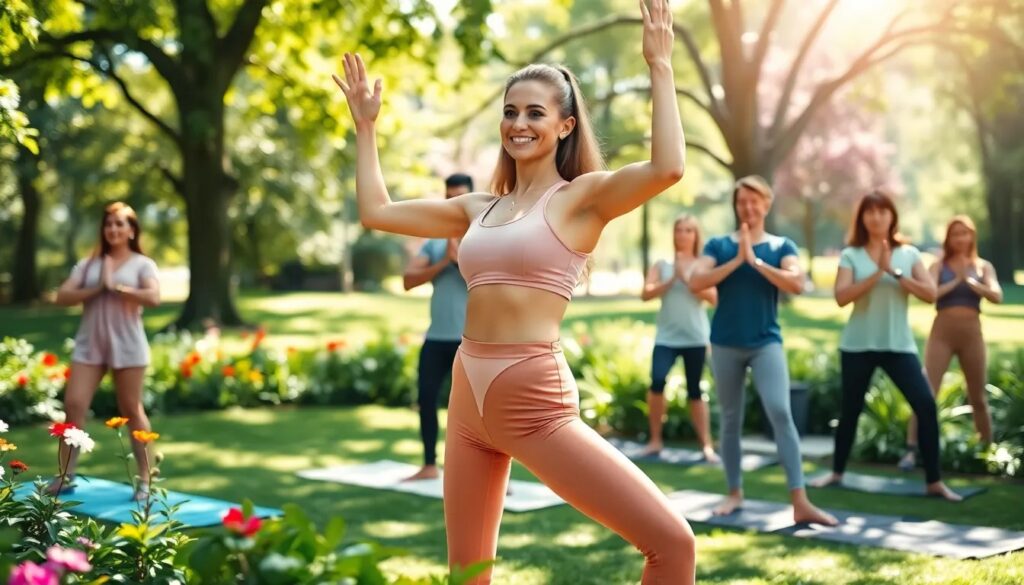
Search for yoga butt and you will find two completely different conversations happening at the same time. One is about a frustrating injury — a deep, persistent ache right at the sit bone — that sidelines dedicated practitioners for months. The other is about the visual result of consistent practice: noticeably firmer, more toned glutes. Both uses of the term are widespread, and knowing which one applies to your situation matters, because the advice for each is almost opposite.
- Yoga butt as injury: proximal hamstring tendinopathy
- Yoga butt as aesthetic: what regular practice does to the glutes
- The best yoga poses for glute development
- How to get the most from these poses
- Practice styles that load the glutes
- The connection between the two meanings
- Frequently asked questions
Yoga butt as injury: proximal hamstring tendinopathy
In sports medicine and among experienced teachers, "yoga butt" refers to an overuse injury of the hamstring tendons where they attach to the ischial tuberosities — the bony sit bones at the base of the pelvis. The clinical name is proximal hamstring tendinopathy, and the term "yoga butt" is a colloquial label that has stuck because it is commonly reported among people who practice yoga intensively.
The mechanism is straightforward. The proximal hamstring tendon takes load every time you forward-fold with a straight knee, hip-hinge, or pull yourself deep into a passive stretch. When the volume of that loading exceeds the tendon's capacity to recover — usually because depth is prioritized over strength, or because practice volume ramped up quickly — the tendon reacts. The result is local pain at the sit bone that is worse after sitting, worse with forward bends, and persistent in a way ordinary muscle soreness is not.
Symptoms and when to see a clinician
The defining features of proximal hamstring tendinopathy, as described in physical therapy and sports medicine sources, are:
- Pain localized to the sit bone, often described as a deep ache or sharp pinch in the buttock crease.
- Worsening after prolonged sitting — the same mechanism that aggravates the tendon in chair pose and in a car seat.
- Aggravation by forward folds, straight-leg hip hinges, and deep hamstring stretches.
- Pain that persists for more than a few days, rather than resolving quickly like ordinary post-class soreness.
If you have persistent pain at the sit bones, see a physical therapist or sports medicine clinician for diagnosis before following any exercise advice. This article is general information, not a substitute for an individual evaluation.
Poses to avoid while you heal
The intuitive response to hamstring-area pain is to stretch it. With proximal hamstring tendinopathy that response makes the problem worse, because the issue is not flexibility but load tolerance. Poses and movements typically advised against during the symptomatic phase include:
- Deep forward folds with straight legs. Standing forward fold, seated forward fold, and standing splits compress the proximal attachment and pull on an already irritated tendon.
- Passive hanging. Letting gravity yank on the hamstrings without muscular engagement adds tensile load without building capacity.
- Pigeon pose and full splits. Both load the sit-bone attachment — the splits through deep lengthening, pigeon through the combination of flexion and external rotation at the hip.
- Wide-legged forward folds. Upavistha Konasana and similar shapes combine adductor and hamstring load at the proximal attachment.
For the broader mechanics of hip-loading in seated shapes, our guide to forward fold yoga explains why micro-bending the knees is not a compromise but a deliberate choice in any forward-bending practice.
Rehab principles: load, don't stretch
Tendons respond to progressive loading, not to passive lengthening. That is why a physical therapist or sports medicine clinician typically structures recovery around controlled, staged loading rather than stretching — starting with pain-tolerable isometric holds and building toward heavier, more dynamic loading only once the tendon tolerates each stage without a flare-up.
This progression is not a self-directed program: the specific exercises, loads, and pace depend on the individual case, and attempting to design it yourself on a yoga mat — even with good intentions — is a common way the injury gets prolonged rather than resolved. Recovery timelines vary by severity and adherence, but are commonly measured in months rather than weeks. Returning to deep forward folds before the tendon has been cleared by a clinician is the most common reason for recurrence.
Yoga butt as aesthetic: what regular practice does to the glutes
The other meaning of "yoga butt" is a physical observation: people who practice consistently, especially in styles with strong standing work, often develop visibly firmer, more lifted-looking glutes. This is not incidental. Several yoga postures load the gluteus maximus, gluteus medius, and the deep external rotators quite effectively — just not in the way a barbell back squat or a heavy hip thrust does.
Anatomy basics: the glute muscles
The gluteal group has three named muscles, and yoga loads them differently:
- Gluteus maximus — the largest, responsible for hip extension and external rotation. Loaded by standing poses (Chair, Warrior III), backbends (Bridge, Locust), and any shape that asks the hip to open against gravity.
- Gluteus medius — a smaller, side-of-the-hip muscle that stabilizes the pelvis in single-leg balance. Loaded by standing poses with one bent front leg (Warrior II, Tree, Half Moon).
- Gluteus minimus — the deepest, working with the medius for pelvic stability. Loaded indirectly through balance work and standing posture generally.
The visual change most practitioners describe comes from a combination of increased resting tone in the gluteus maximus and improved medius-driven pelvic stability. The result reads as firmer and more defined rather than bigger.
The best yoga poses for glute development
These postures consistently activate the glutes, either through sustained isometric contraction or through dynamic loading:
| Pose | Primary glute action | Notes |
|---|---|---|
| Warrior III (Virabhadrasana III) | Gluteus maximus (hip extension) + gluteus medius (stabilization) | One of the most demanding glute poses in yoga. The standing leg works hardest. |
| Chair Pose (Utkatasana) | Gluteus maximus, quad co-activation | Held for 5+ breaths, this is a genuine strength stimulus. |
| Bridge Pose (Setu Bandhasana) | Gluteus maximus through hip extension | Single-leg variation significantly increases the challenge. |
| Warrior II (Virabhadrasana II) | Gluteus medius of the front leg | The medius stabilizes the pelvis; important for the side-profile shape. |
| Locust Pose (Salabhasana) | Gluteus maximus + spinal extensors | Prone hip extension is underused in many styles but highly effective. |
| Three-Legged Dog | Hip extensor of the lifted leg | Range matters less than active engagement of the working glute. See our guide to Three-Legged Dog. |
How to get the most from these poses
- Engage deliberately, not passively. Simply being in Warrior III does not guarantee glute activation. Actively squeeze the working glute and think about extending the hip, not just balancing.
- Hold longer. Glute muscle fibers respond to sustained time under tension. Holding standing poses for 5–8 breaths rather than 3 makes a meaningful difference in the strength stimulus.
- Add repetition. Vinyasa transitions through Warrior sequences done dynamically — moving in and out of a pose several times — add a muscular endurance component that supports tone.
- Respect load progression. Just as tendons need progressive loading to adapt, muscles need gradual increases in time under tension or number of repetitions to keep responding.
- Complement with off-mat work if maximal glute strength is the goal. Yoga builds functional glute stability effectively but has a ceiling for raw strength development. If maximal glute strength is the goal — for athletic performance or injury prevention — resistance training with progressive overload is more efficient. Whether yoga counts as strength training at all is a nuanced question; see our piece on yoga as strength training.
As an Amazon Associate, we earn from qualifying purchases.

- NEW ECO FRIENDLY MATERIAL: The upgraded Gruper Yoga mat is made with premium friendly material. It costs more to make, but it is safer and more soft than traditional non-green PVC and EVA yoga mats.The exercise mats are suitable for many forms of Yoga, Pilates and fitness.
- UPGRADED ANTI-SKID DESIGN AND DOUBLE LAYER ANTI TEAR: Special sticky non slip texture on both sides , more Hard-wearing than regular yoga mats and resistant to tearing and deformation. Double layer structure coupled with a non-slip textured surface provides optimal grip without sacrificing comfort.
- TWO DIFFERENT SIZE OTPTIONAL : ①☛ Standard Size:72"(183cm) x 24" (61cm); Thickness: 0.24"(6mm); Weight: 2.6lb. ②☛ Thickened Size:72"(183cm) x 24" (61cm); Thickness: 0.32"(8mm); Weight: 3.1lb.
- CARE INSTRUCTIONS: 1.Clean with damp cloth (cold water) or mild detergent, dry flat. 2.Do not use a washing machine or dryer or exposed to the sun for extended periods of time. 3.Designed for barefoot exercise. Your shoes or your pets' paws may tear the mat.
- FREE CARRY STRAP & STORAGE BAG - No need to go buy a yoga carrying strap and bag. Easy to carry your yoga mat around with.you can carry to the gym or anywhere you want

Practice styles that load the glutes
Not all styles train the glutes equally. Standing-pose-heavy, dynamic styles produce the most consistent stimulus:
- Power yoga and Vinyasa flow are the most glute-intensive options, because they sequence standing poses dynamically and hold them with intensity. See our guides to Power yoga and Vinyasa flow.
- Ashtanga has strong glute-loading standing and finishing sequences, especially the Primary Series.
- Hatha builds tone but with shorter holds and less repetition.
- Restorative, Yin, and chair-focused gentle practice provide minimal glute stimulus.
For practitioners who want to compare yoga's effect on the glutes with the more hypertrophy-oriented work in Pilates and weight training, our piece on Pilates vs yoga covers the differences in load and adaptation. For a gentler, seated adaptation of many of these shapes, see our guide to chair yoga. For core and posterior chain work together, see our guide to yoga for core strength.
The connection between the two meanings
There is a real irony in how these two meanings of yoga butt coexist: the practitioners most likely to develop the aesthetic result are also the ones at risk for the injury. High-volume, deep-flexibility-focused practice develops the glutes and the hamstrings simultaneously — and places the hamstring tendons at the proximal attachment under cumulative stress. The answer is not to avoid deep hip work, but to balance it with hamstring strengthening, respect for progressive overload, and adequate recovery.
For the broader context of how hip-opening work interacts with the pelvis and lower back, our guide to hip opening yoga is a useful complement.
If you currently have sit-bone pain, focus on the injury first — the aesthetic can wait. If you are injury-free and working toward glute tone, the poses above are your foundation.
Frequently asked questions
Yes, within limits. Poses like Warrior III, Chair Pose, and Bridge load the gluteus maximus and medius with sustained effort. Regular practice over months produces visible toning and improved functional stability. For significant strength gains, complementing yoga with resistance training is more effective.
Muscle soreness after yoga is diffuse, peaks 24-48 hours after practice, and resolves within a few days. Proximal hamstring tendinopathy pain is localized to the sit bone, often worse after sitting, and persistent. If pain at the sit bone has lasted more than two weeks and is aggravated by forward bends, see a clinician.
Power yoga and Vinyasa flow offer the most glute work, because they sequence standing poses dynamically and hold them with intensity. Ashtanga yoga also has strong glute-loading poses in its standing and finishing sequences. Gentle and Restorative styles provide minimal glute stimulus.
No. Yoga builds glute endurance, stability, and functional tone through sustained isometric and bodyweight contractions. Weighted squats and hip thrusts load the glutes through a greater resistance range and produce more pronounced hypertrophy. Both have value, and many athletes combine them.
Have a correction or a question about this article? Reach us via our contact page.
Last update 2026-09-10. Price and product availability may change.
Recommended: