Tantra Teacher Training: Curriculum, Formats, and How to Choose a Credible Program

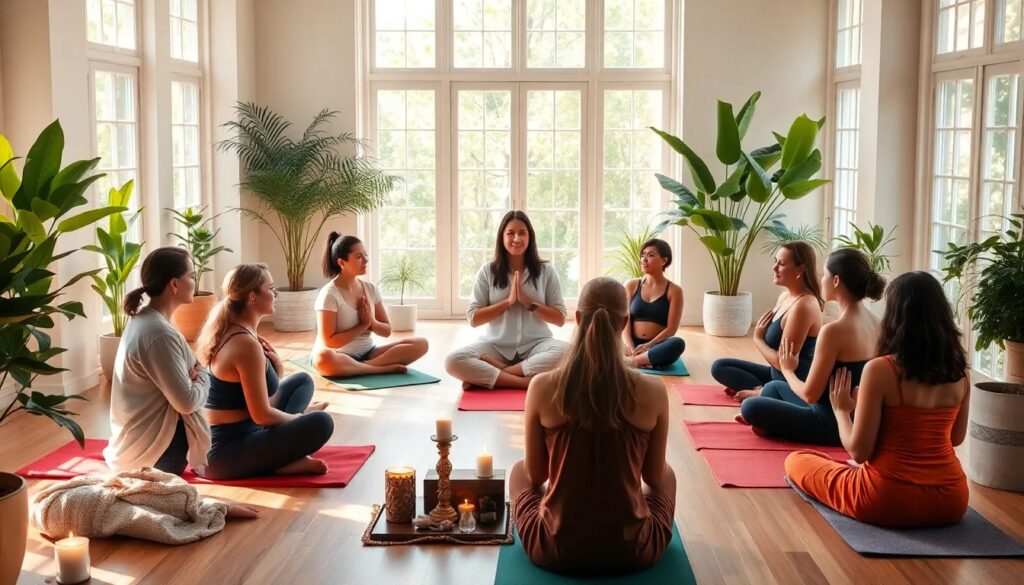
Tantra teacher training is a program that prepares you to teach practices from the tantric tradition — a family of Indian spiritual lineages, documented in Indian sources from the early medieval period onward, that work with mantra, breath, visualization, ritual, and subtle-body practices (chakras, kundalini) as tools for transformation. A serious training covers tantric philosophy and history, meditation and pranayama technique, kundalini-oriented asana, and teaching methodology. The most important step before enrolling is recognizing that "tantra" in the West covers two different fields: classical tantra yoga (mantra, breath, meditation, philosophy) and neo-tantra (intimacy and relationship work). The two kinds of training are very different products, and the rest of this article is about the first one.
- Classical Tantra vs. Neo-Tantra: Know What You Are Signing Up For
- What a Tantra Teacher Training Curriculum Covers
- Program Formats, Length, and Recognition
- Online vs. In-Person Tantra Training
- How to Vet a Tantra Training: A Checklist
- What to Ask the Lead Teacher Before You Enroll
- Who Should (and Should Not) Take This Training
- FAQ
Classical Tantra vs. Neo-Tantra: Know What You Are Signing Up For
Because the word covers two distinct fields, the single most important step before enrolling is identifying which one a program teaches. Classical tantra yoga sits inside the Indian Shaiva, Shakta, and Buddhist lineages documented in early medieval texts such as the Vijnana Bhairava Tantra; neo-tantra is a 20th-century Western reinterpretation centered on intimacy, embodiment, and conscious touch. A program whose marketing leads with intimacy coaching is best evaluated as a coaching certification — with close attention to its ethics framework, consent policies, and trauma-informed standards — not as a yoga teacher training.
| Classical / traditional tantra yoga | Neo-tantra | |
|---|---|---|
| Roots | Indian Shaiva, Shakta, and Buddhist lineages; texts such as the Vijnana Bhairava Tantra | Western reinterpretation from the 20th century onward |
| Core content | Mantra, mudra, visualization, pranayama, meditation, subtle-body theory, ritual, non-dual Shaiva philosophy in many schools | Intimacy, relationship, and embodiment work for couples and individuals |
| Typical graduate role | Yoga and meditation teacher with a tantric specialization | Intimacy or relationship coach, workshop facilitator |
| Recognition | Can sit inside Yoga Alliance RYS 200/300 frameworks | Largely unregulated; quality and ethics vary widely |
If you are weighing a tantra coach certification route, the checklist further down still applies, but the credentialing frame is different.
What a Tantra Teacher Training Curriculum Covers
Classical tantra training programs typically combine six content areas, in roughly this order of weight:
- Philosophy and history: the tantric view of body and world as expressions of consciousness; core concepts such as Shiva–Shakti, kundalini, and the chakra model; how tantra differs from Patanjali's classical yoga.
- Mantra and sound practice: correct use of seed (bija) mantras, japa technique, and how to teach them responsibly.
- Pranayama and subtle-body work: breath practices, bandhas, and visualization techniques that form the core of tantric sadhana.
- Meditation: tantric meditation methods, including contemplative exercises drawn from texts like the Vijnana Bhairava Tantra.
- Asana with a tantric orientation: postural work used to prepare the body for breath and meditation, generally gentler than flow styles like vinyasa.
- Teaching methodology and ethics: sequencing, cueing, scope of practice, and clear boundaries — especially important in this field.
Program Formats, Length, and Recognition
Tantra-focused trainings come in the same shapes as other yoga teacher training programs:
- 200-hour foundational trainings with a tantra emphasis, in person or online, typically running several months part-time. Costs vary widely by school and region; in line with 200-hour trainings generally, the total is usually a multi-thousand-dollar investment paid in installments or upfront.
- 300-hour advanced trainings for already-certified teachers who want to specialize.
- Short courses and immersions (a weekend to two weeks) that deepen personal practice rather than qualify you to teach.
If a program is registered with Yoga Alliance as an RYS, its hours count toward the standard RYT credential, which most studios recognize when hiring. No certification is legally required to teach yoga in the US, but the practical case for a recognized credential is strong — we cover the details in do you have to be certified to teach yoga.
Online vs. In-Person Tantra Training
A common question is whether a tantra teacher training online can substitute for in-person study. The honest answer is that each format covers part of the curriculum well and part of it less well:
- What transfers well online: philosophy, history, mantra theory, teaching methodology, sequencing, ethics discussions, and the bulk of pranayama and meditation instruction. Live cohort calls and recorded lectures handle most of the conceptual load.
- What benefits from in-person time: group sadhana, ritual practice, partner or bodywork elements, hands-on adjustments, and the felt sense of breath and energy work that is hard to transmit on a screen. Most hybrid programs solve this with a one- to two-week residential component.
Location-based programs in places like Bali or India — often advertised as tantra teacher training in Bali or India intensives — tend to bundle the residential weeks with a structured daily practice. For most working teachers, a fully online program that has an in-person retreat is the most practical option; fully online programs without any residential week are better treated as continuing education than as a primary certification.
How to Vet a Tantra Training: A Checklist
- Named lineage and teachers. Credible schools say plainly which tradition they draw from and who trained the faculty.
- Published syllabus with hour breakdowns. Vague promises of transformation with no curriculum is a red flag.
- Clear ethics and boundaries policy. Given the history of abuse scandals around some tantra-branded organizations, ask directly how the school handles teacher–student boundaries, consent, and complaints. A school that bristles at the question answers it.
- Scope honesty. Teaching meditation is not therapy. Good programs state what graduates are and are not qualified to do.
- Reasonable claims. Be wary of programs promising healing of trauma or medical conditions; that crosses into clinical territory no yoga certificate covers.
- Try before you buy. Take a workshop or drop-in class with the lead teacher first.
The general guidance in how to become a yoga instructor and the format comparison in in-person yoga teacher training both apply here; tantra simply raises the bar on the ethics questions.
What to Ask the Lead Teacher Before You Enroll
The best tantra teachers welcome these questions; a school that avoids them is telling you something. Five questions worth asking in a discovery call:
- Which lineage or non-dual Shaiva, Shakta, or Buddhist tradition does the curriculum draw from? Vague answers ("we draw from the great traditions") are a warning sign.
- How are the contact hours broken down between philosophy, pranayama, meditation, asana, and teaching methodology? A credible program publishes this.
- What is your written ethics and boundaries policy? Specifically around teacher–student contact outside class, touch, and complaints.
- What does the scope of practice look like for graduates? Can they teach pranayama and meditation in studios? Can they run private tantric sessions? The program should state both what it qualifies you for and what it does not.
- What post-graduate support is included? Mentorship, community, or continuing-education hours matter for the first year of teaching.
Who Should (and Should Not) Take This Training
A tantra yoga training suits practitioners drawn to the meditative, energetic, and philosophical side of yoga — people who want to teach breath, mantra, and meditation with depth rather than lead athletic flows. Most programs accept students without a prior certification, though an established personal practice helps enormously. If your real goal is a broad teaching credential, a general 200-hour training first and a tantra specialization second is usually the more employable order. And if what attracts you is the gentle, nervous-system side of practice rather than the esoteric side, a restorative yoga certification may fit better.
FAQ
In its classical Indian form, no. Tantra is a broad spiritual tradition centered on mantra, breathwork, visualization, ritual, and meditation. Sexual ritual existed in a small subset of historical practices but was never the core. The strong sexual association in the West comes from neo-tantra, a modern reinterpretation that is a separate field from traditional tantra yoga.
Not always. Some tantra programs are themselves 200-hour foundational trainings open to beginners, while 300-hour tantra specializations require an existing certification. If you want maximum employability, completing a general 200-hour training first and adding a tantra specialization afterward is the most common path.
It can be. Yoga Alliance registers schools rather than styles, so a tantra-focused program structured as an RYS 200 or RYS 300 counts toward standard RYT credentials. Many shorter tantra courses and most neo-tantra coaching certifications sit outside that system, so check the school registry before enrolling if recognition matters to you.
No published syllabus or named lineage, no written ethics and boundaries policy, claims of healing trauma or illness, pressure tactics in sales, and any reluctance to discuss teacher-student boundaries. A credible school answers these questions directly and in writing.
For the conceptual and methodological parts of the curriculum, yes — philosophy, mantra, pranayama theory, teaching methodology, and ethics transfer well online. For group sadhana, ritual, and hands-on practice, look for a program that includes a residential component, even a short one. Fully online programs with no in-person week are better treated as continuing education than as a primary certification.
Have a correction? Contact us.
Recommended: