Rocket Yoga: What It Is, the Rocket 1-2-3 Sequences, and Who It Suits

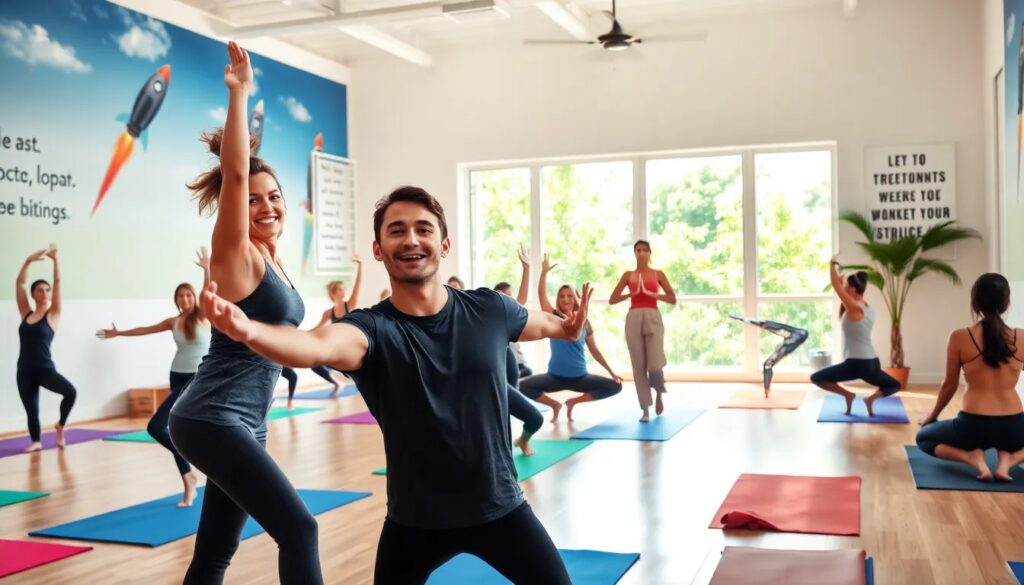
Rocket Yoga is a fast-paced, dynamic style built from the Ashtanga Vinyasa system. It reorders the sequences, encourages modifications, and adds arm balances and inversions earlier in the training, so a strong vinyasa student can step into a class without first mastering the full traditional progression. It sits firmly at the athletic end of the yoga spectrum, closer to a demanding flow workout than to a slow or restorative practice, and it is taught worldwide through three core sequences known as Rocket 1, Rocket 2, and Rocket 3.
Rocket is part of the broader yoga styles and lineages landscape and shares family traits with Ashtanga and vinyasa; the differences come down to sequence order, modification policy, and the volume of arm balances.
Where Rocket Yoga comes from
Rocket Yoga is credited to Larry Schultz (1950–2011), an American teacher who trained for years under Ashtanga founder K. Pattabhi Jois before returning to San Francisco in the late 1980s to teach his own, more flexible remix of the Ashtanga Vinyasa system. Traditional Ashtanga locks students into a fixed progression, mastering each posture in order before moving on, which can keep capable practitioners away from poses they are physically ready for. Schultz's response was to reorganize the series, allow students to attempt postures out of the traditional order, and encourage variations instead of forbidding them, while keeping the breath-linked vinyasa engine that makes Ashtanga so physical. He went on to found the San Francisco studio It's Yoga, and although purists pushed back at first, the system he built is now an established lineage with its own teacher trainings and a recognisable global footprint.
The three Rocket sequences
| Sequence | Based on | Focus | Feel |
|---|---|---|---|
| Rocket 1 | Ashtanga Primary Series | Standing poses, forward folds, hips, core, first arm balances | Strong but the most accessible entry point |
| Rocket 2 | Ashtanga Intermediate Series | Backbends, twists, spinal strength, deeper inversions | Opening and energizing, more demanding on the spine |
| Rocket 3 | A remix of Rocket 1 and 2 | The full toolbox condensed into one practice | The longest and most intense, often a weekly highlight class |
Classes typically run 60 to 90 minutes, open with sun salutations, build through standing and seated work, and pepper in handstands, crow variations, and other arm balances along the way. Unlike Ashtanga's silence-and-discipline atmosphere, Rocket classes often use music and have an openly playful tone.
Rocket vs. Ashtanga vs. vinyasa
- Versus Ashtanga: same posture vocabulary and breath-movement link, but Rocket allows modifications, lets students attempt poses out of the traditional order, and moves at a quicker clip. A standard Rocket class is shorter than a full Ashtanga primary or intermediate series and reaches more demanding postures earlier in the arc of the class.
- Versus vinyasa: a general vinyasa class is freeform, with sequences invented by each teacher. Rocket sits in between: set sequences like Ashtanga, but with vinyasa's freedom to adapt.
- Versus gentle styles: Rocket is close to the opposite end of the spectrum from therapeutic yoga or a restful lazy yoga session; it is a workout first and a wind-down second.
Is Rocket Yoga harder than vinyasa, and harder than Ashtanga?
Honest answer: harder than most vinyasa classes, broadly comparable to a full Ashtanga practice, but easier to access because modifications are built in. Rocket moves at a brisk pace and includes a higher volume of arm balances and inversions than a typical vinyasa class, which is why many students find it physically demanding. Against Ashtanga, the difficulty is similar in raw posture difficulty, but Rocket removes the "master the early series before you see the harder ones" gate, so a student meets demanding poses earlier and is told to use the offered modifications rather than wait. Every pose in the Rocket system has a recognised modification, which is part of how the method is designed to work, not a sign of failure.
Is Rocket Yoga suitable for beginners?
Honest answer: it is beginner-tolerant rather than beginner-ideal. The Rocket philosophy welcomes all levels and every pose has a modification, so a fit newcomer who is comfortable being humbled can absolutely start in a Rocket 1 class. That said, the pace assumes you already know basic poses like downward dog, chaturanga, and warrior positions. Most people get more from Rocket after a month or two of slower vinyasa or foundations classes, and a dedicated yoga for beginners track is a sensible way in. If you have wrist, shoulder, or lower-back issues, talk to the teacher before class, since arm balances and fast transitions load exactly those areas.
How to start practicing Rocket Yoga
- Build a basic flow foundation first: a few weeks of vinyasa basics make the pace manageable.
- Start with Rocket 1: it is the most accessible of the three sequences.
- Use the modifications: dropping the knees in chaturanga or practicing crow with a block under the feet is the system working as designed, not a failure.
- Bring a grippy mat: fast transitions and sweaty palms punish slippery surfaces; our overview of the best yoga mats covers what to look for.
- Rest when the breath breaks: in Rocket, losing smooth breathing is the signal to take child's pose, and teachers expect it.
- Be consistent, not heroic: two classes a week builds the strength for arm balances faster than occasional all-out sessions.
As an Amazon Associate, we earn from qualifying purchases.

- NEW ECO FRIENDLY MATERIAL: The upgraded Gruper Yoga mat is made with premium friendly material. It costs more to make, but it is safer and more soft than traditional non-green PVC and EVA yoga mats.The exercise mats are suitable for many forms of Yoga, Pilates and fitness.
- UPGRADED ANTI-SKID DESIGN AND DOUBLE LAYER ANTI TEAR: Special sticky non slip texture on both sides , more Hard-wearing than regular yoga mats and resistant to tearing and deformation. Double layer structure coupled with a non-slip textured surface provides optimal grip without sacrificing comfort.
- TWO DIFFERENT SIZE OTPTIONAL : ①☛ Standard Size:72"(183cm) x 24" (61cm); Thickness: 0.24"(6mm); Weight: 2.6lb. ②☛ Thickened Size:72"(183cm) x 24" (61cm); Thickness: 0.32"(8mm); Weight: 3.1lb.
- CARE INSTRUCTIONS: 1.Clean with damp cloth (cold water) or mild detergent, dry flat. 2.Do not use a washing machine or dryer or exposed to the sun for extended periods of time. 3.Designed for barefoot exercise. Your shoes or your pets' paws may tear the mat.
- FREE CARRY STRAP & STORAGE BAG - No need to go buy a yoga carrying strap and bag. Easy to carry your yoga mat around with.you can carry to the gym or anywhere you want

What about Rocket Yoga teacher training?
Rocket teacher trainings are offered by schools in the style's lineage, commonly as shorter modules that stack on top of a standard 200-hour yoga certification; lengths vary by school. If you are considering one, apply the same checks as for any training: verify the school's lineage and reviews, confirm whether hours are registrable with Yoga Alliance if that matters to you, and make sure you have a stable personal Rocket practice first. Our guide to building a yoga resume covers how to present this kind of specialized training to studios.
This article is general information, not medical advice. Rocket Yoga is a vigorous practice: if you have joint, back, heart, or blood-pressure concerns, or are pregnant, check with a healthcare professional before taking part.
Rocket Yoga is a faster, more flexible remix of the Ashtanga Vinyasa system, created by American teacher Larry Schultz in San Francisco in the late 1980s. It keeps the breath-linked flow and set sequences, but allows modifications and adds more arm balances and inversions so capable students can step into demanding postures earlier in their training.
The name is widely attributed to a Grateful Dead musician who studied under Larry Schultz, Rocket Yoga's creator, and who reportedly said the practice gets you there faster than traditional Ashtanga. The name stuck because the system reorganises the sequence so students reach demanding poses earlier.
Generally yes. Rocket moves at a brisk pace and includes more arm balances and inversions than a typical vinyasa class. However, every pose has an offered modification, so a motivated student with basic flow experience can keep up.
Rocket 1 reworks the Ashtanga Primary Series with a focus on standing poses, hips, and first arm balances. Rocket 2 draws on the Intermediate Series with backbends and twists. Rocket 3 combines material from both into the longest and most demanding class.
Beginners are welcome and modifications are part of the system, but the pace assumes familiarity with basic poses. Most newcomers do better after a few weeks of slower vinyasa or foundations classes, and anyone with wrist, shoulder, or back issues should speak to the teacher first.
Have a correction? Contact us.
Last update 2026-09-10. Price and product availability may change.
Recommended: