Lizard Pose Yoga (Utthan Pristhasana): A Complete Guide

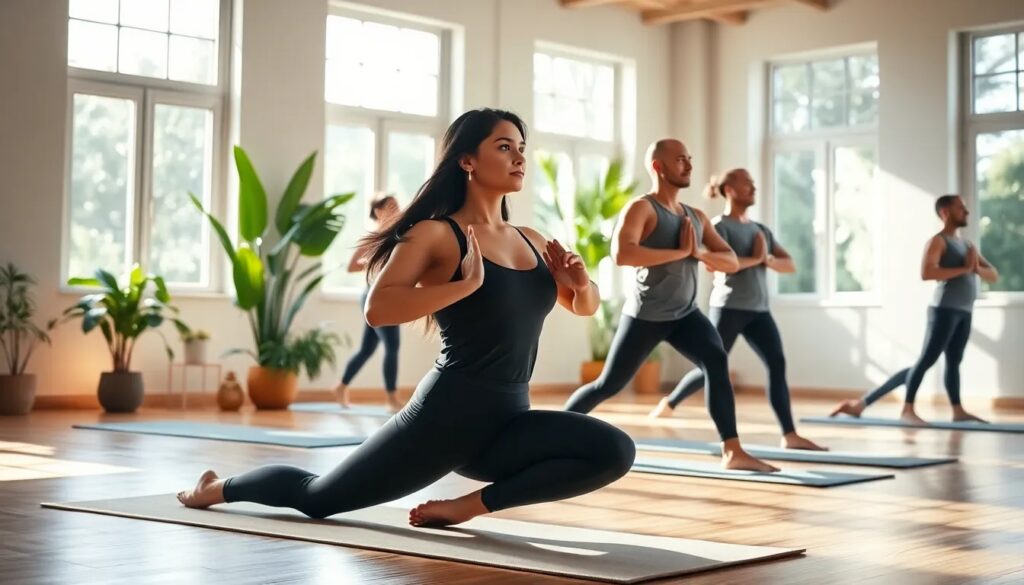
Lizard Pose Yoga, known in Sanskrit as Utthan Pristhasana, is a deep hip-opening lunge in which the front foot steps to the outside of the hands, lowering the hips toward the floor. It targets the hip flexors, hamstrings, and inner thighs, and it scales unusually well: with the back knee down and the hands on blocks it is friendly to beginners, while the forearm version is a genuinely deep stretch for experienced practitioners. Below is a full guide to doing it well, choosing the right variation, modifying it with props, and avoiding the mistakes that strain knees and lower back.
- How to Do Lizard Pose Yoga Step by Step
- Lizard Pose Yoga Variations Compared
- Lizard Pose Yoga Modifications with Props
- What Lizard Pose Yoga Works and Why It Is Useful
- Common Mistakes and How to Fix Them
- Lizard Pose Yoga vs Pigeon Pose
- Who Should Modify or Skip Lizard Pose Yoga
- Lizard Pose Yoga for Beginners and Advanced Practitioners
- Frequently Asked Questions
How to Do Lizard Pose Yoga Step by Step
- Start in a low lunge with the right foot forward, back knee lifted or lowered to the mat.
- Walk the right foot to the outside of the right hand, so both hands are inside the front foot.
- Point the front toes slightly outward, about 45 degrees, and let the right knee open to the side.
- Keep the arms straight with hands on the floor or blocks, chest lifted, spine long.
- To deepen, lower onto the forearms while keeping the chest open rather than collapsing forward.
- Hold for five to ten slow breaths, press back up, and repeat on the left side.
Two setup choices control the intensity: back knee down (gentler) or lifted (stronger), and hands on blocks (gentler) or forearms down (deeper). Mix them to meet your body where it is today.
Lizard Pose Yoga Variations Compared
| Variation | Level | What it adds |
|---|---|---|
| Lizard with back knee down, hands on blocks | Beginner | Accessible entry point with full control of depth |
| Classic Lizard, back knee lifted | Intermediate | More hip flexor stretch plus core and leg engagement |
| Forearm Lizard | Intermediate to advanced | Significantly deeper hip opening |
| Lizard with quad stretch (bent back knee, hand to ankle) | Intermediate to advanced | Strong quadriceps and hip flexor stretch with a balance element |
| Twisted Lizard | Intermediate to advanced | Spinal rotation and chest opening |
| Flying Lizard (arm balance) | Advanced | An acrobatic arm-balance variation requiring substantial strength |
In a yin yoga context, a supported version of the pose (often called Dragon) is held for two to five minutes with props, emphasizing slow release over active engagement.
As an Amazon Associate, we earn from qualifying purchases.

- STABILITY plus BALANCE: Yoga blocks provide the stability and balance needed in your practice to help with optimal alignment, deeper poses and increased strength
- DURABLE SUPPORTIVE FOAM: These lightweight and supportive foam blocks are constructed of a durable foam with a nonslip surface and beveled edges for easy gripping. Premium blocks are 50 percent denser than standard EVA blocks
- MODIFY plus ALIGN: Use under your hands, feet or seat (meditation) to ensure the proper alignment needed in order to safely support and modify poses to suit your level of flexibility If you feel tight, don't risk injury and grab a block or two
- EXTEND plus DEEPEN STRETCHES: Blocks make for the ideal yoga prop and companion, as they are an important tool in your practice to help extend, support and deepen your stretches while also working to increase your range of motion
- CARE INFO: Spot clean with mild detergent towel or air dry (Dimensions: 9 Inches W x 6 Inches H x 4 Inches D / Weight: 4.6 Ounce) Sold as 2 Pack

Lizard Pose Yoga Modifications with Props
Props turn Lizard from a posture you force into one you can actually settle into. Three small changes carry most of the load:
- Blocks under the hands. Raising the floor an inch or two keeps the chest lifted, takes pressure off the lower back, and lets you hold the pose long enough for the hip flexors to release. This is the single most useful modification for beginners and for tight shoulders.
- Blanket under the back knee. When the back knee is down, a folded blanket cushions the kneecap and lets the psoas actually let go instead of guarding against discomfort. A small towel works in a pinch.
- Bolster under the torso or thigh. In a yin-style hold, a bolster under the chest (forearm version) or under the front thigh transforms the pose into a supported, restorative shape that can be held for several minutes without strain.
Stack the props rather than choosing one. Most practitioners get the most out of Lizard with hands on blocks and a blanket under the back knee at the same time.
What Lizard Pose Yoga Works and Why It Is Useful
- Hip flexors and psoas: the back-leg side gets a sustained lengthening, which is why the pose is popular with runners, cyclists, and people who sit most of the day.
- Hamstrings and inner thigh of the front leg, especially as the hips lower toward the floor.
- Preparation for deeper postures: Lizard is a standard stepping stone toward Pigeon and the splits, and it appears regularly in vinyasa sequences and hip-focused classes.
- Grounding and focus: in traditional yoga frameworks, the pose is associated with the root chakra (Muladhara) and the sacral chakra (Svadhisthana), which sit at the base of the pelvis and hips.
Claims that the pose detoxifies organs or boosts digestion appear in many yoga articles but are not well supported by evidence. The demonstrable benefits are mobility, strength in supporting muscles, and the down-regulating effect of slow breathing in a long hold.
Common Mistakes and How to Fix Them
- Front knee caving inward. Keep the knee tracking over the ankle or slightly outward; a collapsing knee strains the joint.
- Collapsing the chest and rounding the spine. Depth without length is just slumping. Lift the chest first, then lower.
- Forcing the forearms down. If the shoulders bunch at the ears or the breath shortens, stay on the hands or use blocks under the forearms.
- Sinking passively into the back hip. Keep light engagement in the legs rather than hanging in the joints, especially with the knee lifted.
- Skipping the warm-up. A few sun salutations and gentler lunges first make the pose dramatically more productive. If you are early in your practice, build up with our beginner yoga poses guide.
Lizard Pose Yoga vs Pigeon Pose
Both poses open the hips, but they do it in different ways and complement each other well in a hip-focused sequence. The table below lays out the main differences.
| Aspect | Lizard Pose | Pigeon Pose |
|---|---|---|
| Front-leg position | Foot flat, knee at roughly 90 degrees | Shin on the floor, parallel to the front of the mat |
| Main hip action | Hip flexor stretch on the back leg | External rotation of the front hip |
| Best prep from | Low lunge | Downward dog, then bring knee forward |
| Common variation | Forearm Lizard, Twisted Lizard, Flying Lizard | Sleeping Pigeon (folded forward), King Pigeon (back bend) |
| Prop that helps most | Blocks under the hands | Bolster or blanket under the front hip |
Use Lizard when you want to lengthen the hip flexors and open the front of the back leg. Use Pigeon when you want to release the glute and outer hip. Practiced back to back, they cover the hip from both angles. For a deeper look at Pigeon, see our Pigeon Pose guide.
Who Should Modify or Skip Lizard Pose Yoga
Approach with care, or ask a teacher for alternatives, if you have knee injuries (cushion the back knee, or skip the pose entirely), hip injuries such as labral issues or impingement (reduce depth significantly and avoid the forearm version), or lower back problems aggravated by deep lunges. Pregnant practitioners often need a wider stance and a more upright version; prenatal classes adapt this pose routinely. Seniors and anyone new to hip openers will get the most from the back-knee-down variation with blocks under the hands. The pose also appears in slower lineage-based practices: the seated and lunging hip work of the Ashtanga Primary Series pairs naturally with Lizard as a preparatory or complementary stretch.
Lizard Pose Yoga for Beginners and Advanced Practitioners
Beginners get the most out of three small choices: back knee down, hands on the highest blocks, and a five-breath hold. Build to ten breaths before adding depth, not the other way around. Intermediate practitioners can lift the back knee for more hip flexor load and start to explore the quad-stretch version with a strap around the back foot. Advanced practitioners can work toward forearm Lizard, Twisted Lizard, and eventually Flying Lizard, which is a real arm balance that requires substantial core, shoulder, and hip-flexor strength. Wherever you are on that line, the rule is the same: length before depth.


Frequently Asked Questions
Utthan Pristhasana. Utthan means to stretch out, pristha refers to the back of the body, and asana means pose. In yin yoga the same shape is often called Dragon Pose.
In an active practice, five to ten slow breaths per side is typical. In a yin-style practice with props, holds of two to five minutes are common, with comfort and steady breathing as the limit.
No. Both open the hips, but Lizard is a lunge with the front foot flat and the hips squared forward, while Pigeon places the front shin on the floor with the hip in external rotation. They complement each other well in a hip-focused sequence.
Usually tight hip flexors from sitting, tight hamstrings, or both. Elevating the hands on blocks and keeping the back knee down removes most of the struggle, and consistent practice a few times a week changes the pose noticeably within weeks.
In traditional yoga frameworks, Lizard Pose is associated with the root chakra (Muladhara) and the sacral chakra (Svadhisthana), both of which sit at the base of the pelvis and hips.
This article is general information, not medical advice. If you have hip, knee, or back injuries, or are pregnant, consult a qualified health professional or an experienced teacher before practicing deep hip openers.
Have a correction? Contact us.
Last update 2026-09-10. Price and product availability may change.
Recommended: