Is Yoga Good for Runners? What It Fixes, What It Doesn't, and How to Use It

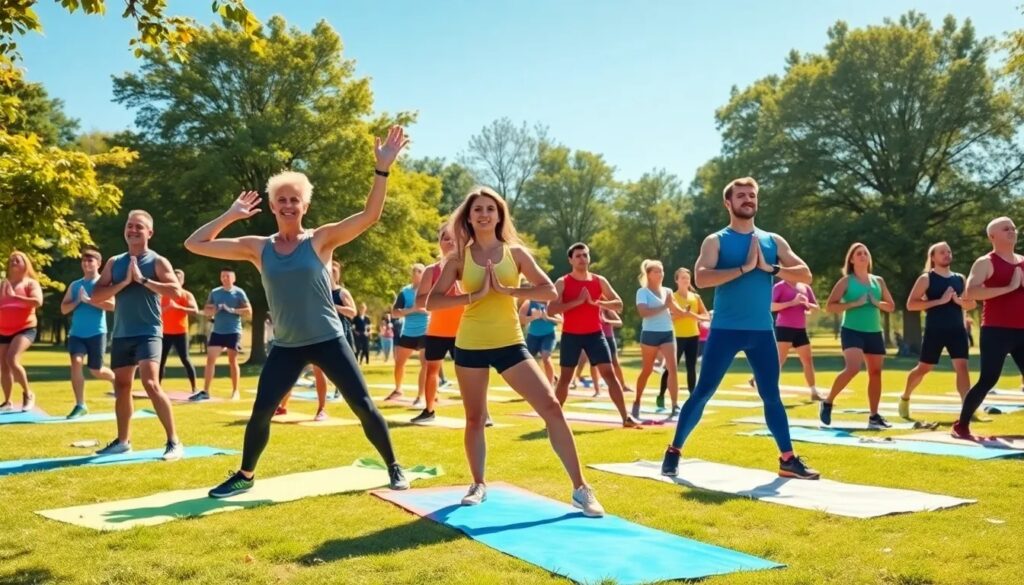
Yes, yoga is good for runners — not because of any mystique, but because it targets precisely what running neglects. Running is a repetitive, sagittal-plane activity that progressively tightens the hip flexors, hamstrings, and calves while doing little for lateral hip strength, single-leg balance, or thoracic mobility. A well-chosen yoga practice works each of those gaps. The honest caveats: yoga will not make you faster by itself, it does not replace strength training, and overstretching before hard runs can temporarily blunt performance. Used correctly — one or two sessions a week, mostly after runs or on easy days — it is one of the highest-value cross-training habits a runner can adopt.
Health note: this is general information, not medical advice. If you are managing a running injury, get an assessment from a doctor or physical therapist before stretching or loading the affected area.
What Yoga Genuinely Does for Runners
- Restores hip and hamstring range. Chronically shortened hip flexors alter stride mechanics; poses like low lunge and pigeon work directly on the tissues running tightens most.
- Builds single-leg stability. Balance poses (tree, warrior 3) train the hip stabilizers whose weakness shows up as IT band complaints and knee tracking issues — and build the kind of glute and core control that protects a runner's stride.
- Improves breathing mechanics. Slow nasal breathing and diaphragm awareness transfer surprisingly well to controlling effort on hills and finishing strong.
- Aids recovery. Gentle and restorative sessions downshift the nervous system and make easy days genuinely easy — the thing runners are famously bad at.
- Builds body awareness. Regular practice teaches you to notice asymmetries and hot spots early, before they become injuries.
What Yoga Will Not Do
Three honest limits. First, yoga is not a substitute for strength work — heavy single-leg strength training has far better evidence for both injury prevention and running economy. Second, more flexibility is not automatically better: runners need adequate range with control, and extreme passive flexibility offers no running benefit. Third, evidence that yoga directly improves race performance is thin; the case for yoga is about durability, recovery, and the consistency that follows from staying uninjured.
The 6 Most Useful Poses for Runners
- Low Lunge (Anjaneyasana): the most direct hip-flexor stretch in yoga. Squeeze the back glute gently to deepen it honestly.
- Downward-Facing Dog: calves, hamstrings, and shoulders in one shape. Pedal the heels for the calf bias runners need.
- Half Pigeon (or Reclined Figure-4): outer hip and glute. The reclined version is the safer choice for cranky knees.
- Reclined Hamstring Stretch with a strap: targets hamstrings without loading the lower back — better than aggressive forward folds, which can irritate the hamstring attachments. Our yoga strap stretches guide covers the setup.
- Warrior 3: single-leg balance with a hip hinge — the most running-specific strength pose in the standard repertoire.
- Legs-Up-the-Wall: the recovery pose. Five to ten minutes after long runs is the easiest habit on this list.
For a complete sequence built around these, see our yoga for runners routine with a 20-minute post-run sequence.
As an Amazon Associate, we earn from qualifying purchases.

- Home PT Strap for Independence (3 Recovery Stages) – A physical therapy stretching strap designed for gentle knee/hip/leg mobility at home. Use it across recovery: Stage 1 bedside assist (when movement is limited), Stage 2 PT stretching/ROM, Stage 3 daily warm-up to maintain mobility—so you can stay independent
- Non-Elastic, Steady Holds (No Rebound / No Surprise Stretch) – The strap does not stretch, so there’s no bounce and no sudden “give.” You can pull to the angle you need and it stays there, helping you move slowly and safely—especially after knee replacement or hip replacement recovery.
- Loops = Easier Grip + Adjust Depth + Track Progress – Multiple loops provide clear hand/foot holds with less grip strength than towels or ropes. Switch loops anytime to adjust stretch depth, repeat the same position each session, and track ROM progress for hamstrings, calves, hips/hip flexors, and lower back—without forcing.
- Leg Lifter Strap / Mobility Aid for Bed & Car – Can also be used as a leg lifter to help lift your leg into bed or car, supporting daily movement tasks when flexibility is limited (use gently within comfort). gently within comfort).
- PT-Style Daily Stretching for Legs, Back & Feet (Comfort Tip) – Built for slow, controlled home stretching and mobility work for legs, hips, lower back, ankles, and feet (calf/Achilles tightness included)—not an elastic resistance band. For comfort during longer holds, socks or light gloves may help. during longer holds, socks or light gloves can help if you have sensitive hands/skin. gloves can help if you have sensitive hands/skin.
Before or After Running? Match the Yoga to the Slot
| Timing | What works | What to avoid |
|---|---|---|
| Before a run | 5–10 min of dynamic movement: lunges, leg swings, gentle flows | Long static holds — deep stretching immediately before running can temporarily reduce muscle power |
| After a run | 15–30 min of held stretches while tissues are warm; the ideal slot for most runners | Forcing depth on exhausted muscles after very long runs |
| Rest days | Restorative or yin sessions for recovery; slower hatha for mobility work | Vigorous power yoga that turns a rest day into a training day |
| Hard-day pairing | Short gentle session in the evening after a morning workout | Hot yoga stacked on a hard run — double dehydration stress |
We go deeper on the timing question in should you do yoga before or after running.
How Often, and Which Style?
One to two sessions weekly is the sweet spot for most training loads: one mobility-focused session after a midweek run, one restorative session in the heaviest training block of the week. Style matters — slow hatha and yin suit recovery goals; vinyasa works as light cross-training on non-running days; hot yoga deserves caution during high-mileage weeks because of the added fluid and heat stress. During race tapers, keep yoga familiar and gentle: taper weeks are not the time to introduce new stretches.
Can Yoga Be Bad for Runners?
Occasionally, yes, in predictable ways. Aggressive forward folding can irritate the hamstring attachments at the sit bones — a real overuse injury covered in our guide to yoga butt (proximal hamstring tendinopathy). Runners with hypermobile joints gain little from deep passive stretching and should bias toward strength and control. And chasing advanced poses on a body fatigued from training invites trouble. The fix in every case is the same: moderate intensity, bent knees in folds when tissues complain, and treating yoga as support for running rather than a second sport to compete in. A broader set of options is in our 12 essential yoga stretches.
FAQ
One to two sessions per week is enough for most runners: a 20–30 minute mobility session after a midweek run and an optional restorative session on a rest day. More than that starts competing with training recovery rather than supporting it.
After, in most cases. Long static stretches before a run can temporarily reduce muscle power, while held stretches on warm post-run muscles are both safer and more effective. Before a run, limit yoga to a few minutes of dynamic movement like lunges and leg swings.
No. Bodyweight balance poses build useful stability, but the evidence for injury prevention and improved running economy clearly favors progressive resistance training. The strongest combination is running plus strength work plus yoga for mobility and recovery — each covers what the others miss.
Slow hatha or alignment-focused classes for mobility, yin or restorative for recovery days, and moderate vinyasa as occasional cross-training. Hot yoga is the style to treat carefully during high-mileage weeks because it adds dehydration stress on top of training.
Not directly. Yoga rarely moves the needle on race pace, but it does keep you uninjured, recovered, and consistent — which is the real driver of long-term improvement. If speed is the only goal, progressive strength work and structured running plans do more.
Have a correction? Contact us.
Last update 2026-09-10. Price and product availability may change.
Recommended: