Is Yoga a Sport? Where It Fits Between Exercise, Discipline, and Competition

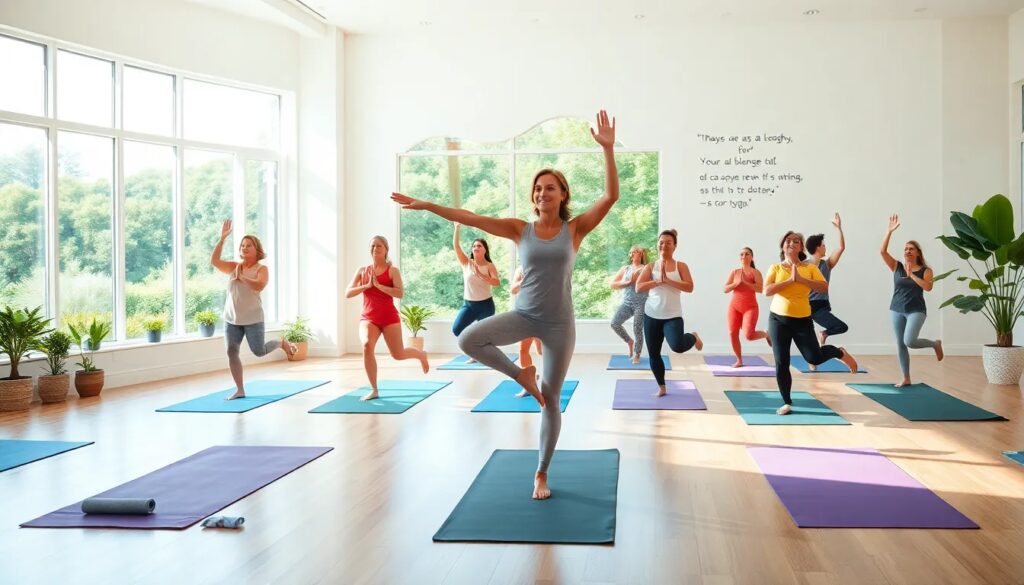
By most accepted definitions, yoga is not a sport — it is a physical and mental discipline, closer to exercise than to competition. A sport generally requires structured competition, objective scoring, and the goal of winning; traditional yoga has none of these, and its core texts explicitly frame the practice as inward-facing rather than comparative. That said, competitive yoga does exist: posture championships have been held for decades, and organizations have lobbied for Olympic recognition — a status yoga still hasn't reached. So the honest answer to is yoga a sport or exercise is nuanced: yoga is exercise, discipline, and for a small minority of practitioners, a competitive event.
What makes something a sport?
Dictionaries and sports governing bodies tend to agree on what qualifies as a sport: three ingredients — physical exertion, skill, and competition under agreed rules. Yoga clearly satisfies the first two. A 90-minute vinyasa class demands strength, balance, and cardiovascular effort, and advanced postures — including the full range of yoga poses and names — take years of skilled practice to perform safely.
The third ingredient is where yoga diverges. In a typical class there is no opponent, no score, and no winner. Teachers actively discourage comparing yourself to the person on the next mat. That philosophical stance — rooted in concepts like ahimsa (non-harming) and santosha (contentment) — is the main reason most practitioners and scholars classify yoga as a discipline or mind-body practice rather than a sport.
Yoga vs. sport vs. exercise: a quick comparison
| Criterion | Traditional yoga | Competitive sport | General exercise |
|---|---|---|---|
| Primary goal | Self-awareness, flexibility, calm | Winning under rules | Fitness and health |
| Competition | Discouraged | Essential | Optional |
| Objective scoring | None | Required | None |
| Mental component | Central (breath, meditation) | Supportive (focus, strategy) | Variable |
| Physical exertion | Low to very high, by style | Usually high | Moderate to high |
Competitive yoga does exist
Yoga asana competitions have a longer history than many people assume — posture contests have been part of Indian physical culture for generations, and organized yogasana sport now runs through established federations, including U.S.-based groups like the International Yoga Sports Federation (IYSF) and USA Yoga. In these events, athletes perform a short routine of postures and are scored by judges on alignment, balance, control, and difficulty, similar in format to gymnastics or figure skating.
The clearest sign of how far competitive yoga has come: in June 2026, India hosted the inaugural World Yogasana Championship in Ahmedabad, organized by the federation World Yogasana. It drew 522 athletes from 79 countries across four judged categories — Traditional, Artistic, Rhythmic, and Athletic — with the federation's stated goal being Olympic recognition, modeled on gymnastics.
Advocates have pushed for that Olympic recognition for years. As of now, yoga is still not an Olympic sport, and the campaign remains controversial within the yoga community itself: many teachers argue that judging postures contradicts the practice's purpose, while competitors counter that competition motivates excellence and raises yoga's public profile.
Why the classification matters in practice
- School and university programs: sports classification can affect whether yoga receives athletic funding, facilities, and credit.
- Insurance and liability: some policies treat sports and fitness activities differently.
- Public perception: framing yoga as a sport emphasizes the physical side and can attract people who would never attend a meditation-centered class — but it can also strip away the breathwork and philosophy that drive many of yoga's documented benefits.
Is yoga athletic enough to count as training?
Absolutely — depending on the style. Slow formats like hatha yoga build mobility and body control, while fitness hybrids such as yoga sculpt add weights and cardio intervals that rival a gym session — part of why yoga also counts as a lifetime sport, scaling from gentle mobility work into old age to a demanding daily practice. Many professional athletes use yoga as cross-training for flexibility, balance, and injury prevention; NFL players do yoga too, with teams from the Giants to the Seahawks building it into conditioning. Whether or not it carries the label sport, the physical demands are real.
The bottom line
Yoga is best described as a discipline that can be practiced athletically. If you compete in asana championships, your yoga is functionally a sport. If you practice to move better, breathe better, and quiet your mind, it is not — and it does not need to be (see also our guide on whether yoga is considered exercise). Anyone interested in going deeper into the practice side can explore yoga teacher training programs or the full guide to yoga styles and lineages, where this question of yoga's identity comes up constantly.
Frequently asked questions
Not by major international sports authorities. Yoga is not an Olympic sport, and most governments classify it as a fitness or wellness activity. However, organized yoga asana competitions exist and are governed by federations such as the International Yoga Sports Federation.
Yoga is primarily a mind-body discipline that includes exercise. It involves physical exertion and skill like a sport, but traditional practice has no competition or scoring, which is the defining element of sport under most definitions.
It is possible but not imminent. Advocacy groups have campaigned for Olympic inclusion of competitive yoga asana, but the discipline has not yet met the International Olympic Committee requirements, and the yoga community itself remains divided on whether competition fits the practice.
It depends on your goals. Yoga builds flexibility, balance, body control, and in vigorous styles meaningful strength, but it does not replicate the sprinting, impact, or sport-specific skills of most athletic training. Many athletes use it as a complement rather than a replacement.
Yes — India hosted the inaugural World Yogasana Championship in June 2026 in Ahmedabad, organized by World Yogasana, with athletes from 79 countries competing across four judged categories.
Have a correction? Contact us.
Recommended: