Bound Angle Pose Yoga (Baddha Konasana): Steps, Benefits, and Modifications

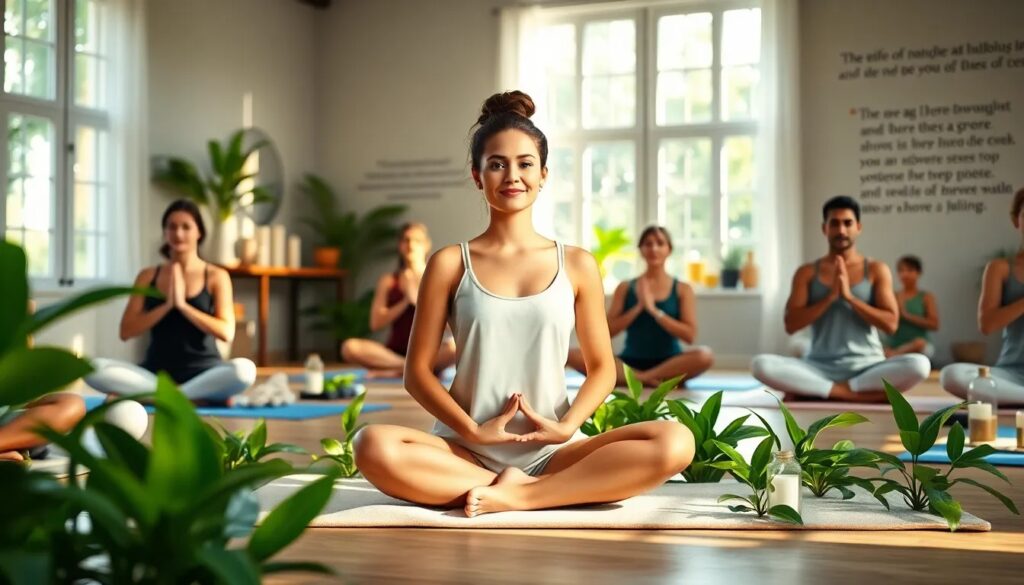
Bound Angle Pose — Baddha Konasana in Sanskrit, also called Butterfly Pose or Cobbler's Pose — is a seated posture in which you bring the soles of your feet together and let your knees open out to the sides. The name breaks down as baddha (bound) and kona (angle) — pronounced roughly BAH-dah cone-AHS-ah-nah, per Yoga Journal's pose reference. It is one of the most useful hip and inner-thigh stretches in yoga: simple to set up, easy to modify with props, and practiced at every level from first class to advanced forward folds.
Below: the exact steps, what the pose genuinely does (and the health claims to be skeptical of), the mistakes that make it uncomfortable, and the modifications and variations that matter.
Note: this is general information, not medical advice. If you have a knee, hip, or groin injury, or are pregnant, check with your doctor or physical therapist before practicing, and work with a qualified teacher on modifications.
How to Do Bound Angle Pose, Step by Step
- Sit on the floor with your legs extended. If your lower back rounds when you sit, place a folded blanket under your hips first — most people benefit from this.
- Bend your knees and bring the soles of your feet together, letting the knees fall out to the sides.
- Draw your heels in toward your pelvis only as far as comfortable. Closer to the pelvis intensifies the stretch; farther away softens it.
- Hold your feet, ankles, or shins. Press the outer edges of the feet together lightly.
- Lengthen your spine: imagine the crown of your head lifting. Shoulders relaxed, chest open.
- Let the knees hang where gravity takes them. Do not push them down — with the hands or the elbows. Instead, let the heads of the thigh bones release toward the floor and the knees will follow.
- Stay for 5–10 slow breaths (1–2 minutes). To exit, lift the knees together with your hands and extend the legs.
What Bound Angle Pose Is Good For
The well-founded benefits:
- Inner thigh and groin flexibility. The pose directly lengthens the adductors — the muscle group along the inner thigh that gets short from sitting. Yoga Journal also notes a stretch through the quadriceps.
- Hip mobility. It trains external rotation of the hip joints, the same range used in cross-legged sitting and many other yoga poses.
- Easier seated posture. Regular practice makes long sitting — for meditation or anything else — noticeably more comfortable, and improves postural awareness.
- Downregulation. Like most slow, supported holds, it works well as a calming pose at the end of practice or before bed, especially in the reclined version.
Worth saying plainly: traditional sources credit this pose with effects on organs, fertility, and various conditions. Those claims are part of yoga's heritage but are not supported by clinical evidence; treat the pose as an excellent stretch and relaxation tool, not a therapy. If you have tight hips around the piriformis and low-back tension, some people find the pose useful as part of a wider routine — it is not, on its own, a treatment for sciatica or pelvic-floor issues.
Common Mistakes (and Fixes)
| Mistake | Why it is a problem | Fix |
|---|---|---|
| Pushing the knees toward the floor | Forces the knee joint sideways; the restriction is in the hips, not the knees | Let gravity work; release the heads of the thigh bones down and let the knees follow over time |
| Rounding the lower back | Turns a hip stretch into back strain | Sit on a folded blanket or block to tilt the pelvis forward |
| Pulling the heels in too close | Can pinch the knees and over-stress the groin | Slide the feet farther from the pelvis |
| Forcing a forward fold | The fold should come from the hips, not the spine | Hinge only as far as the spine stays long; depth is irrelevant |
Modifications and Variations
| Variation | How | Best for |
|---|---|---|
| Supported (props) | Blanket under hips; blocks or cushions under each knee | Beginners, tight hips, anyone — honestly the default setup |
| Reclined (Supta Baddha Konasana) | Lie on your back, soles together, knees supported on cushions | Relaxation, end of practice, restorative sessions |
| Forward fold | Hinge forward from the hips with a long spine | Deepening the stretch once upright sitting is easy |
| Half butterfly | One leg bent in, the other extended; fold over the straight leg | Asymmetric tightness; gentler entry point |
| Dynamic butterfly | Gently flutter the knees up and down a few centimeters | Warm-ups; loosening up before longer holds |
| Chair version | Sit in a chair, draw the soles of the feet together, let the knees open to the sides | Office breaks, limited mobility, desk-based practice |
Props genuinely change this pose — a folded blanket under the hips and support under the knees turns a strained position into a sustainable one. If you are building a small prop kit, our guide to what a yoga blanket is used for shows the folds that work here, and our roundup of yoga blocks covers the shapes and densities teachers tend to recommend.
As an Amazon Associate, we earn from qualifying purchases.

- Natural Cork: Elevate your yoga practice with our eco-friendly, non-slip Gaiam Cork Yoga Brick, perfect for yoga, Pilates, and more.
- Modify Your Poses: Ideal for all skill levels; shorten or deepen your stretches effortlessly. Dimensions: 9"W x 5.5"H x 3"D, lightweight at 1.5 lbs.
- Rounded Edges & Superior Grip: Designed for your comfort, the rounded edges and textured surface provide excellent grip and control during challenging poses.
- Perfect Dimensions: Measuring at 9"W x 5.5"H x 3"D, this yoga brick provides ample support for optimal alignment and posture.
- Versatile & Portable: Compact and lightweight, this cork yoga brick is your go-to fitness accessory for home or gym workouts.

Bound Angle Pose Anatomy: What's Actually Stretching
What the pose is doing, mechanically, is hip abduction combined with external rotation — your thighs move away from the midline and the femurs turn outward in the hip socket. The muscles that lengthen are the adductors on the inner thigh (the long, short, and gracilis), and to a lesser extent the inner hamstrings. The muscles doing the work to keep you upright and the femurs rotated are the psoas, sartorius, and the gluteus medius and tensor fasciae latae on the outer hip. Squeezing the sides of the buttocks gently — as Yoga Journal's anatomy note describes — activates reciprocal inhibition of the adductors, which is why that subtle cue often lets the knees drop a little further without any forcing. The forward fold version adds a stretch through the lower back and the backs of the thighs; the reclined version is mostly adductor and inner-thigh work with no spinal load.
When to Skip It (or Modify Heavily)
Bound Angle is a beginner-friendly shape, but it is not for every body on every day. The standard guidance from teaching manuals and reference sites is to use props or skip the pose if you have an active knee injury (the lateral pressure on the joint is real), a recent hip injury or replacement, a groin strain, or late-stage pregnancy without a teacher's hands on you. If you are post-surgery, work from a chair version rather than the floor until a physical therapist clears deeper hip flexion. None of this is medical advice; it is the same caution Yoga Journal's teacher-tips section repeats.
How Bound Angle Fits Into Your Practice
Three common placements:
- As a hip-opening sequence component — it pairs naturally with poses like Pigeon; see Pigeon Pose and our full yoga for hips guide.
- As seated-practice preparation — a minute or two before meditation makes cross-legged sitting easier; it belongs to the same family as the postures in our seated yoga poses guide.
- As a wind-down pose — the reclined version with props is a staple of restorative practice; see restorative yoga.
Hold times vary by intent: 5–10 breaths in an active practice, 3–5 minutes in a yin or restorative context.
Frequently Asked Questions
Because of your hip anatomy and adductor flexibility, not effort. Knee height in this pose is limited by hip socket shape and inner thigh length, both of which vary enormously between people. Support the knees on blocks, let gravity work over months of practice, and never press the knees down.
Essentially yes. Butterfly is the casual name, Baddha Konasana the Sanskrit name, and Cobbler's Pose a traditional nickname. In yin yoga, Butterfly usually refers to a rounded, relaxed forward fold version, while the classic Bound Angle is done with a long spine.
In an active practice, 5 to 10 slow breaths, roughly one to two minutes. In yin or restorative practice, especially the reclined version with props, holds of 3 to 5 minutes are normal. Come out sooner if you feel knee or groin discomfort.
It is commonly used in prenatal yoga classes, often with props for support, but every pregnancy is different. Get the green light from your doctor or midwife and practice under a teacher qualified in prenatal yoga rather than self-prescribing.
Have a correction? Contact us.
Last update 2026-09-10. Price and product availability may change.
Recommended: