Alphabet Yoga (ABC Yoga): A-Z Poses for Kids

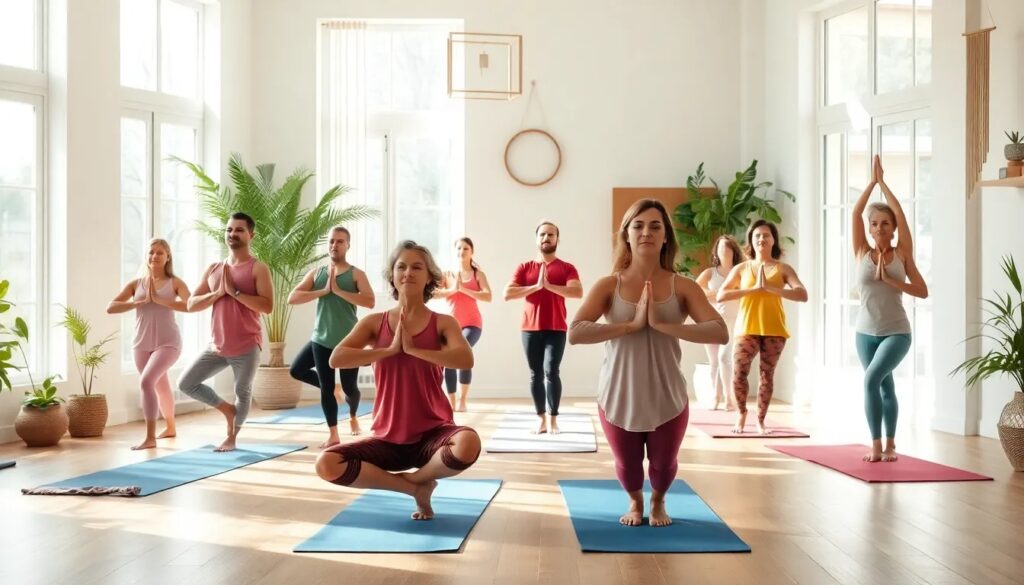
Alphabet yoga — also called ABC yoga — pairs each letter of the alphabet with a kid-friendly yoga pose, so children practice letter recognition while they move. A is an airplane, C is a cat, D is a downward dog. It is one of the simplest ways to combine early literacy with physical activity, it needs zero equipment, and it works at home, in preschool circle time, or as a classroom brain break. It's part of our broader collection of yoga styles and kids' yoga guides.
Why pairing letters with movement works
The core idea is movement-based learning: children remember information better when it is attached to an action and a body shape. ABC yoga leans on three mechanisms that early-childhood educators use constantly:
- Multisensory encoding. Seeing the letter, saying its sound, and making a shape with the body gives a child three routes to the same memory instead of one.
- Embodied association. Forming a pose that starts with the letter (B for boat, F for flamingo) links the abstract symbol to something concrete and fun.
- Movement breaks improve attention. Short bursts of physical activity help young children return to seated tasks with better focus — which is why alphabet yoga works so well as a transition activity.
A fair caveat: ABC yoga supports letter practice and gross motor development, but it is a supplement to literacy instruction, not a replacement for it. Its biggest reliable win is that kids genuinely enjoy it, which keeps them practicing.
The alphabet yoga pose list (A to Z)
Here is the full alphabet, letter by letter — a mix of the animal and object poses most decks and teachers already use, plus a few just for the trickier letters:
| Letter | Pose | How to cue it for kids |
|---|---|---|
| A | Airplane (Warrior 3 variation) | Arms out like wings, tip forward, fly steady |
| B | Boat or Butterfly | Sit, lift your legs like a boat, or flap your knee-wings |
| C | Cat | On hands and knees, round your back like a stretching cat |
| D | Downward dog | Hands and feet down, hips up — make a triangle like a capital D on its side |
| E | Eagle | Cross one arm and one leg over the other, wrap up like a pretzel, balance and breathe |
| F | Flamingo | Stand on one leg, the other foot tucked, balance like a flamingo |
| G | Gate | Kneel, stretch one leg out to the side, reach your arm up and over like opening a gate |
| H | Horse | Stand wide, bend your knees, stomp like a horse and neigh |
| I | Iguana | Squat low with hands on the floor, sit back on your heels like a lizard on a rock |
| J | Jellyfish | Fold forward from standing, let your arms hang loose, sway them like jelly tentacles |
| K | Koala | Balance on one leg like tree pose, hug your other knee close like a koala on a branch |
| L | Lion | Kneel, big breath in, roar it out with your tongue out |
| M | Mountain | Stand tall and still, strong like a mountain |
| N | Noodle | Fold forward from standing, let your arms and head go floppy like a wet noodle |
| O | Owl | Sit cross-legged, twist gently to look over one shoulder, blink big owl eyes |
| P | Pigeon | From hands and knees, bring one knee forward and stretch the other leg back, puff your chest like a pigeon |
| Q | Quiet pose | Lie on your back, knees bent, arms resting — stay still and quiet like the letter sounds |
| R | Rabbit | Kneel and fold forward, tuck your head down and hop gently in place |
| S | Snake (cobra) | Lie on your belly, lift your chest, hiss like the letter sounds |
| T | Tree | One foot on your ankle or calf, grow your branches up |
| U | Up-dog | Lie on your belly, press your hands down, lift your chest up like the letter U turned skyward |
| V | Volcano | Stand tall, sweep your arms up into a V, then "erupt" by reaching high and wiggling your fingers |
| W | Waterfall | Reach up tall, then fold forward and pour down like water |
| X | X marks the spot | Lie on your back, stretch your arms and legs out wide into a big X |
| Y | Y marks the spot | Stand with feet apart, reach both arms up and out into a Y |
| Z | Zigzag | Stand and twist side to side, tracing a zigzag line with your arms |
Encourage children to invent their own pose when a letter stumps them — the inventing is where much of the learning happens. Many of these shapes come straight from the classic animal repertoire; our guide to animal yoga poses covers the originals with their real Sanskrit names.
How to run an ABC yoga session (home or classroom)
- Keep it short. For ages 3 to 5, aim for 5 to 15 minutes; attention runs out before enthusiasm does.
- Pick a theme, not the whole alphabet. Spell the child’s name, the day of the week, or a vocabulary word — 3 to 6 letters per session is plenty.
- Show the letter while you pose. Hold up a card or write it large; say the letter and its sound as everyone makes the shape.
- Hold poses briefly. Three to five breaths is enough for young children; flow matters more than alignment.
- End calm. Close with one quiet pose (child’s pose works) and a slow breath or two so the transition back to the next activity is smooth.
Turning the letters into a game multiplies engagement — the formats in our Simon Says yoga guide adapt directly to alphabet poses, and the age-by-age advice in how to teach yoga to kids applies here too. For the preschool age band specifically, see our guide to yoga for preschoolers.
Where to find ABC yoga cards, printables, and videos
You can run alphabet yoga with nothing but imagination, but visual aids help a lot with pre-readers:
- Printable pose cards. Several educator sites and teacher marketplaces sell alphabet yoga cards, and a free alphabet yoga PDF or letter-pose printable is easy to find with a quick search. Our walkthrough of yoga cards for kids explains what makes a good deck and includes games to play with one.
- Make your own. A marker, index cards, and the A-to-Z table above produce a perfectly good DIY set — and kids can draw the pose on each card themselves, which doubles as letter practice. See our printable kids yoga pose list for ready-made cues.
- Videos. YouTube has many free alphabet yoga follow-alongs aimed at preschool and early elementary ages. Preview before class: the good ones move at a child’s pace, name each letter clearly, and keep poses safe and simple.
As an Amazon Associate, we earn from qualifying purchases.


For the bigger picture — benefits by age, safety basics, and starter poses beyond the alphabet — start with our complete guide to yoga for kids.
If you're practicing at home rather than on classroom carpet, a comfortable floor to land on makes it easier for little ones to hold poses without slipping.

- THE PERFECT STARTER MAT FOR YOGIS – This non-slip yoga mat for kids provides a safe, phthalate-free surface for yoga, stretching, and play. The 3mm cushioned mat offers comfort while improving balance, focus, and fun
- SUPER GRIP, NON - SLIPS - SAFE FOR ACTIVE KIDS – Extra textured non-slip surface keeps tiny feet steady during yoga, gymnastics, or dance. Toxic-chemical-free so parents can relax while kids stretch & play
- TAKE THE FUN ANYWHERE – Lightweight & tough, this travel-friendly & durable yoga mat survives rolls, jumps, and folds. Perfect for home, school, or trips—because playtime shouldn’t stop at the door
- WIPES CLEAN IN SECONDS – This long-lasting yoga mat for children is tear-resistant and easy to maintain. Great for home workouts, school activities, or outdoor adventures, keeping playtime mess-free
- PARENT-APPROVED – Loved by moms and dads, this easy-to-clean yoga mat measures 60" L x24" H, just right for little yogis—durable for playtime, lightweight for travel, and non-toxic for peace of mind

Alphabet yoga, also called ABC yoga, pairs each letter of the alphabet with a simple, kid-friendly yoga pose — A for airplane, C for cat — so children practice letter recognition while they move.
It works best for ages 3 to 7, the window when children are learning letter names and sounds. Toddlers can join for the movement and imitation, and early elementary kids enjoy it as a spelling game using sight words or their own names.
It supports letter learning rather than replacing instruction. Pairing a letter with a sound and a body shape gives children multiple routes to the same memory, and movement breaks help attention. Treat it as a fun supplement to regular literacy activities.
For preschoolers, 5 to 15 minutes covering 3 to 6 letters is plenty. Short, frequent sessions beat one long one. Classroom brain breaks of 3 to 5 minutes spelling a single word work well too.
No. A clear floor space, socks off, and a set of letter cards (bought, printed, or homemade) are all it takes at home or in a classroom. Keep poses simple, skip anything that strains the neck, and let children come out of a pose whenever they want.
Have a correction? Contact us.
Last update 2026-09-10. Price and product availability may change.
Recommended: